Impact of Iran Conflict on Global Fertilizer Prices: Warnings from US Farmers
Synopsis
American farm leaders raise alarms about the potential surge in global fertilizer and fuel prices due to the conflict in Iran, stressing the urgent need for solutions to protect struggling farmers facing rising costs and market volatility.
Key Takeaways
Geopolitical tensions are expected to increase fertilizer and fuel prices.
Farmers are facing significant economic challenges with high costs and low prices.
Senate leaders are concerned about the sustainability of farming operations.
Domestic market strength is essential to mitigate international risks.
Government support is critical for farmers during crises.
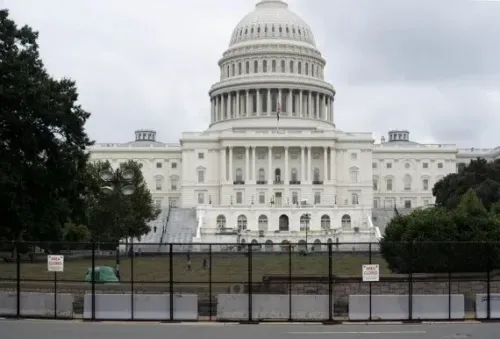
Washington, March 11 (NationPress) - American agricultural leaders cautioned US legislators on Tuesday that the ongoing conflict in Iran may further elevate global fertilizer and fuel prices, adding even more strain on farmers who are already facing rising expenses and unpredictable market conditions.
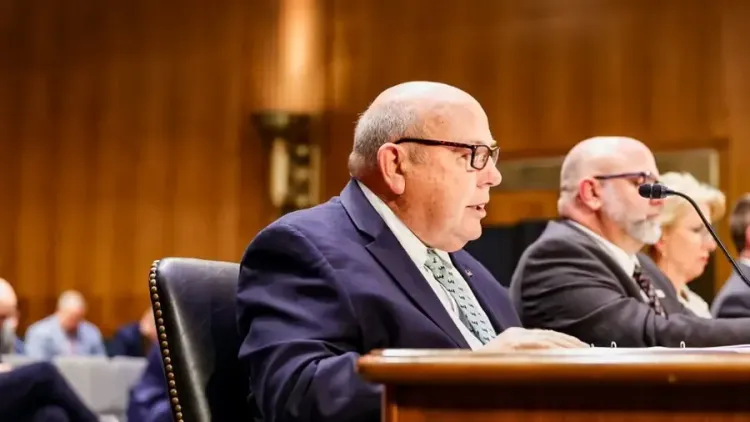
This alert was issued during a Senate Agriculture Committee meeting focused on boosting domestic demand for US-produced agricultural goods as farmers contend with financial strain and unstable global circumstances.
Zippy Duvall, president of the American Farm Bureau Federation, conveyed to senators that geopolitical unrest is likely to exacerbate the agricultural economy. He stated, “The situation in Iran is anticipated to drive fuel and fertilizer prices even higher,” during his testimony.
Leaders in agriculture expressed that the sector is currently under significant strain due to decreasing commodity prices and escalating production costs. Matt Perdue, president of the North Dakota Farmers Union, remarked that farmers are facing a mix of economic and geopolitical issues.
“Family farmers are encountering considerable economic challenges; our input costs are elevated, commodity prices are low, and our markets are extremely unpredictable,” he noted.
Perdue further emphasized that global tensions are aggravating the situation, saying, “Trade conflicts and now the war in Iran have intensified these economic difficulties,” he informed lawmakers.
He added that geopolitical tensions are impacting both aspects of farm income. “These tensions have increased costs and lowered commodity prices,” he explained.
The Senate hearing underscored the increasing concern among farmers regarding rising fertilizer costs, which constitute a significant portion of production expenses for crops like wheat, corn, and soybeans.
Lawmakers warned that disruptions in global supply chains could worsen the issue.
Senator Tina Smith pointed out that tensions in the Strait of Hormuz might further inflate fertilizer prices. “Currently, additional geopolitical tensions exist… particularly in the Strait of Hormuz, leading to further hikes in already soaring fertilizer costs,” she stated.
Smith cautioned that such price increases could render farming operations economically unviable. “Fertilizer expenses for an acre of wheat amount to about 40 percent of production costs, and they are rising by 30 percent now,” she highlighted.
Farm leaders also indicated that farmers are struggling to maintain profitability.
Chairman John Boozman remarked that the US agricultural economy is under tremendous pressure. “If you’re planting a crop, you’re most likely incurring losses,” Boozman noted, adding that no row crop is currently profitable in Arkansas, his home state.
He further stated that the past three years have been particularly grueling for farmers nationwide. “The last three years have been incredibly harsh,” Boozman affirmed.
Witnesses indicated that rising costs, trade disruptions, and global competition have collectively weakened farm incomes.
Perdue warned that farmers are now carrying historically high debt levels. “Farmers and ranchers are managing debt burdens that are greater than those in the 1980s,” he stated.
Duvall emphasized the necessity for the agricultural sector to bolster domestic markets to mitigate vulnerability to geopolitical shocks and trade disruptions. “We must enhance domestic demand for American agricultural products,” he stressed.
Farm organizations informed lawmakers that while government support programs have aided farmers in navigating recent crises, sustainable long-term solutions should prioritize expanding markets and stabilizing costs.
Point of View
With farm leaders voicing concerns about escalating fertilizer and fuel costs. This situation not only threatens the financial stability of farmers but also raises questions about food security in the broader context of global trade.
NationPress
1 Oct 2026
Frequently Asked Questions
How will the conflict in Iran affect fertilizer prices?
The ongoing conflict is expected to increase global fertilizer prices due to supply chain disruptions and geopolitical tensions.
What impact does rising fertilizer cost have on farmers?
Increasing fertilizer costs significantly raise production expenses, which can make farming operations financially unsustainable.
What are the current challenges faced by farmers in the US?
Farmers are facing high input costs, low commodity prices, and volatile markets, compounded by geopolitical tensions.
What solutions do farm leaders propose?
Farm leaders suggest strengthening domestic markets and increasing government support to reduce vulnerability to international shocks.
Why is there concern about trade disruptions?
Trade disruptions can lead to increased costs for farmers and reduced availability of essential agricultural inputs.