Global Food Prices Expected to Rise Further Amid West Asia Crisis: FAO
Synopsis
In March, food commodity prices surged for the second month, driven by escalating energy costs due to the West Asia crisis. FAO cautions that prolonged conflict could significantly impact future agricultural yields and food supply.
Key Takeaways
Food commodity prices rose for the second consecutive month.
Higher energy prices are primarily responsible for this increase.
The FAO warns of potential long-term impacts on agricultural yields.
Global wheat harvest forecasts show a decline compared to last year.
Consumer food prices are likely to rise further if the conflict continues.
New Delhi, April 3 (NationPress) The global prices of food commodities saw an increase in March for the second consecutive month, largely attributed to escalating energy prices stemming from the ongoing crisis in West Asia, as reported by the Food and Agriculture Organization of the United Nations (FAO) on Friday.
The FAO Food Price Index, which monitors monthly shifts in international prices of a selection of food commodities traded worldwide, recorded an average of 128.5 points in March, signifying a 2.4 percent rise from February and 1.0 percent higher than the same period last year.
FAO Chief Economist Maximo Torero stated, "The increases in prices since the onset of the conflict have been relatively modest, primarily influenced by rising oil costs and supported by sufficient global cereal supplies."
He further elaborated, “However, if the conflict persists beyond 40 days, farmers facing elevated input costs and current low profit margins will face tough decisions: they may opt to farm with reduced inputs, cultivate less land, or shift to crops requiring less intensive fertilization. Such decisions could adversely impact future yields, consequently affecting our food supply and commodity prices throughout this year and into the next.”
The FAO Cereal Price Index saw a 1.5 percent increase compared to the previous month, mainly driven by surging world wheat prices, which climbed by 4.3 percent due to drought conditions negatively impacting crop forecasts in the United States and anticipated reductions in plantings in Australia due to soaring fertilizer expenses.
Global maize prices experienced a slight uptick as the robust worldwide supply balanced concerns regarding fertilizer costs, coupled with indirect support from increased ethanol demand linked to rising energy prices.
In contrast, the FAO All-Rice Price Index fell by 3.0 percent in March, influenced by the timing of harvests, diminished import demand, and currency devaluations against the U.S. dollar.
The FAO Vegetable Oil Price Index rose by 5.1 percent from February, now standing 13.2 percent higher than a year ago. International prices for palm, soy, sunflower, and rapeseed oils all increased, reflecting spillover effects from significant rises in crude oil prices, which bolstered expectations for heightened demand for biofuels.
The FAO Meat Price Index saw a 1.0 percent rise from the prior month, driven by a spike in pig meat prices within the European Union amid rising seasonal demand, alongside increased global bovine meat prices, particularly in Brazil, where exportable supplies were restricted due to reduced cattle availability.
Prices for sheep and poultry meat fell, partly due to logistical issues hindering market access in the Near East.
The FAO Dairy Price Index rose by 1.2 percent, while the Sugar Price Index increased by 7.2 percent in March.
Growing expectations that Brazil, the leading sugar exporter, will utilize more sugarcane for ethanol production to mitigate rising international crude oil prices overshadowed a generally positive global supply outlook for the current season, bolstered by favorable harvest conditions in India and Thailand.
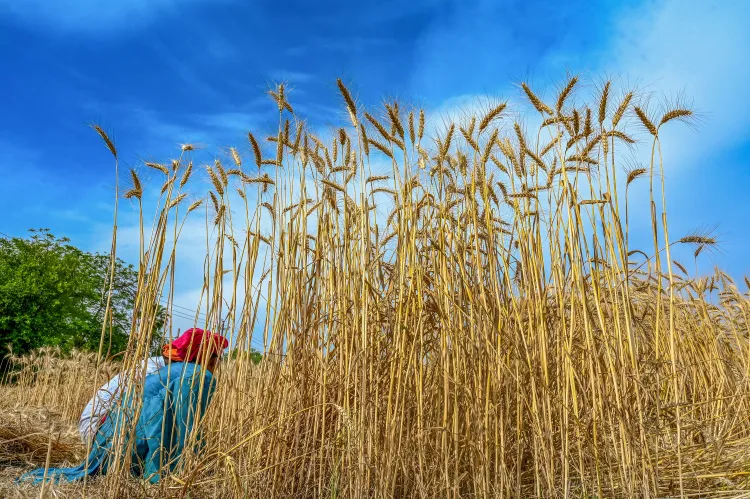
As most of the world’s wheat crop has already been sown, the FAO projects global harvests to reach 820 million tonnes, reflecting a 1.7 percent decline from the previous year.
Point of View
It is vital to convey that the current upward trend in food prices poses significant concerns for consumers and farmers alike. The FAO's insights underscore the interconnectedness of global events and domestic agricultural outcomes, prompting a need for vigilance and adaptation.
NationPress
8 Oct 2026
Frequently Asked Questions
What are the main factors driving the rise in food prices?
The increase in food prices is largely driven by escalating energy costs tied to the conflict in West Asia, along with global supply conditions such as sufficient cereal availability.
How long could the West Asia crisis impact food prices?
If the crisis extends beyond 40 days, it could lead to significant choices for farmers that might adversely affect future yields and food supply.
What specific commodities have seen price changes?
Notable changes include a 1.5% increase in the Cereal Price Index, a 5.1% rise in Vegetable Oil prices, and a 1.2% increase in Dairy prices.
What does the FAO predict for global wheat harvests?
The FAO forecasts a global wheat harvest of 820 million tonnes, which represents a 1.7% decrease from the previous year.
How do these price increases affect consumers?
Increased food prices can lead to higher grocery bills for consumers, impacting overall food affordability and availability.