Egypt, Kuwait push for Iran-US de-escalation and renewed talks
Synopsis
With the 60-day Iran-US negotiation window under the June MoU now expired and tensions unresolved, Egypt and Kuwait stepped in on 29 August with a joint call for de-escalation — while Iranian President Pezeshkian signalled Tehran will talk, but only if Washington reciprocates. The diplomatic clock is ticking.
Key Takeaways
Egyptian FM Badr Abdelatty and Kuwaiti FM Sheikh Jarrah Jaber Al-Ahmad Al-Sabah jointly called for Iran-US de-escalation on 29 August .
Both ministers cited the Iran-US MoU signed on 18 June as the framework for restarting negotiations.
The 60-day negotiation window under the MoU expired on 17 August ; the status of talks remains uncertain.
Iranian President Masoud Pezeshkian said Iran will negotiate but only if the US takes reciprocal and proportional steps.
Egypt and Kuwait reaffirmed principles of state sovereignty , non-interference , and peaceful resolution of disputes.
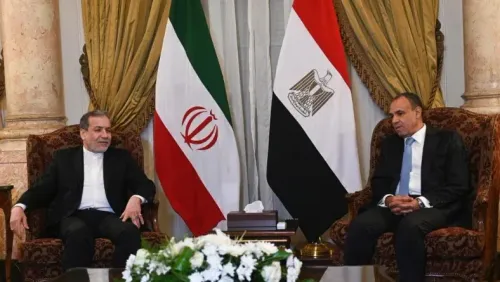
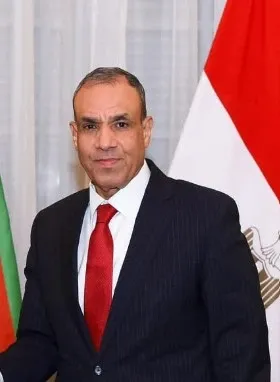
Egyptian Foreign Minister Badr Abdelatty and Kuwaiti Foreign Minister Sheikh Jarrah Jaber Al-Ahmad Al-Sabah on Saturday, 29 August jointly called for de-escalation and the resumption of diplomatic negotiations between Iran and the United States, following a phone call between the two officials, according to a statement from Egypt's Foreign Ministry.
Key Developments
The two ministers discussed what the ministry described as 'rapidly evolving regional developments' and explored ways to contain the current escalation. They agreed that restoring dialogue between Tehran and Washington must be treated as an immediate priority.
Notably, both ministers highlighted the Memorandum of Understanding (MoU) signed by Iran and the United States on 18 June as an existing framework that could be used to restart negotiations and reach political solutions — steps they argued could spare the region further tension and instability.
Principles Reaffirmed
Beyond the Iran-US dynamic, the two foreign ministers exchanged views on broader regional security concerns. They called for addressing all sources of tension through approaches that promote stability, and reaffirmed core principles including good-neighbourliness, respect for states' sovereignty and territorial integrity, and non-interference in internal affairs. Both sides stressed that disputes must be resolved through peaceful and diplomatic means.
Iran's Conditional Stance
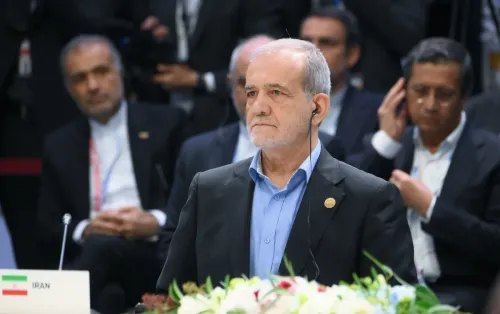
The diplomatic push from Cairo and Kuwait City came as Iranian President Masoud Pezeshkian signalled cautious willingness to engage. In a televised interview broadcast on Friday, Pezeshkian said Iran would negotiate with the United States but remains wary of Washington's intentions.
'We can move forward,' the Iranian president said, adding that progress is contingent on reciprocal and proportional actions from the American side. He acknowledged that neither party may achieve all its stated objectives but indicated Tehran would honour its commitments if Washington did the same.
The 60-Day Deadline and What Comes Next
Under the terms of the June MoU, the two countries were scheduled to hold negotiations within 60 days — a window that closed on 17 August — with the aim of reaching a final agreement. The fate of those talks remains unclear following a sharp escalation between the two countries in the weeks prior.
The intervention by Egypt and Kuwait — two Arab states with significant regional influence — signals growing concern among Gulf and North African governments that the diplomatic window may be narrowing. Whether the June MoU can be revived as a workable framework will likely depend on whether both Tehran and Washington are willing to return to the table on mutually acceptable terms.
Point of View
The only diplomatic architecture currently on the table, is being allowed to lapse. Pezeshkian's 'we can move forward' framing is carefully conditional, designed to keep Tehran's options open without conceding ground. The real question mainstream coverage underplays is what happens to Gulf security architecture if the MoU collapses entirely — Egypt and Kuwait are not neutral observers; they have direct stakes in preventing an Iran-US military confrontation that would reshape regional alignments overnight.
NationPress
14 Oct 2026
Frequently Asked Questions
Why did Egypt and Kuwait call for Iran-US de-escalation on 29 August?
Egypt and Kuwait intervened amid growing concern that the diplomatic framework established by the June Iran-US MoU was at risk of collapsing. The two foreign ministers spoke by phone on 29 August and agreed that resuming negotiations between Tehran and Washington must be treated as an immediate regional priority.
What is the Iran-US MoU signed in June?
The Memorandum of Understanding signed by Iran and the United States on 18 June was a framework agreement aimed at ending regional hostilities, with both sides committed to holding formal negotiations within 60 days. That deadline expired on 17 August without a final agreement, and the status of the talks remains unclear.
What is Iran's current position on resuming talks with the US?
Iranian President Masoud Pezeshkian said in a televised interview on Friday that Iran is willing to negotiate but remains wary of Washington. He stated that progress is conditional on the US taking reciprocal and proportional steps, and that Tehran will honour its commitments only if the other side does the same.
Who are the foreign ministers involved in the Egypt-Kuwait call?
The call was between Egyptian Foreign Minister Badr Abdelatty and Kuwaiti Foreign Minister Sheikh Jarrah Jaber Al-Ahmad Al-Sabah. Both ministers represent countries with significant regional influence and a shared interest in Middle East stability.
What happens if Iran-US negotiations do not resume?
If talks fail to restart, the June MoU — currently the only active diplomatic framework — risks becoming void, leaving the region without a structured path to de-escalation. Egypt and Kuwait have both warned that unresolved tensions could deepen regional instability.