Eisenkot vows new Israel government in 8 days, slams Likud
Synopsis
Israel's coalition fight just turned bitter. Gadi Eisenkot says Likud stalled five rounds of unity talks to split the opposition and force a fresh election, and he now vows to build a government within eight days. Likud accuses him of a double game with Arab parties, while Netanyahu frames unity as essential against Iran.
Key Takeaways
Gadi Eisenkot vowed to form a new Israeli government within the eight days left in his mandate.
He said five meetings over two weeks with Likud produced no concrete proposals.
Sticking points include removing far-right parties, an inquiry into the 7 October 2023 attack, and broader military service legislation.
Likud accused Eisenkot of a political double game, including plans to rely on Arab parties.
Naftali Bennett prefers a unity government but backs a less desirable alternative if talks fail.
Benjamin Netanyahu has urged unity, warning of pressure to accept a nuclear-armed Iran .
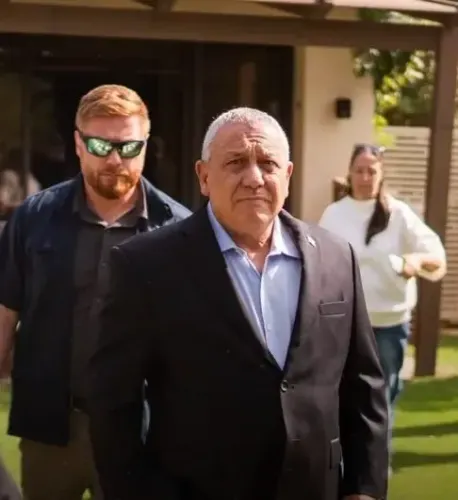
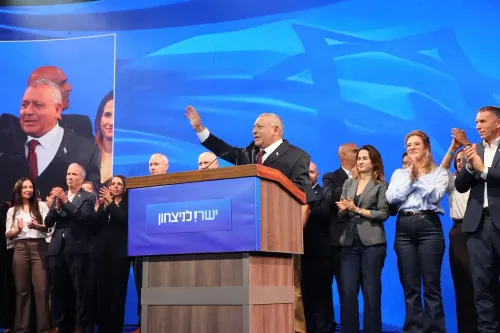
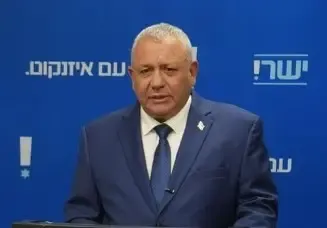
Israeli opposition bloc leader Gadi Eisenkot has vowed to form a new government within the eight days left in his mandate. He accused Prime Minister Benjamin Netanyahu's Likud party of holding unity negotiations with no genuine intention of reaching an agreement. The statement, reported from Jerusalem on 28 November, signals a sharp turn in Israel's post-election coalition battle.
Key Developments in the Coalition Talks
In a social media post, Eisenkot said the two sides had held five meetings over two weeks. He said Likud refused to make concrete proposals or compromise on key issues, according to his account.
Those issues reportedly include three core demands: removing far-right parties from the government, setting up a state commission of inquiry into the 7 October 2023 attack, and passing legislation requiring broader military service.
Eisenkot accused Likud of deliberately delaying the talks to divide the opposition and force another election. He said his bloc had offered significant compromises on judicial reform and on the proposed inquiry, according to reports.
Likud Hits Back With 'Double Game' Charge
Likud rejected the allegations and accused Eisenkot of playing a political double game. The party claimed he was already assembling an alternative coalition, distributing ministerial portfolios and preparing to rely on Arab parties. Likud described those parties as supporters of terrorism.
The exchange shows how far apart the two camps remain. Each side now blames the other for the collapse of unity talks that both had publicly endorsed.
Bennett Signals Preference for Unity
Former prime minister Naftali Bennett, who leads the opposition faction Together, said he prefers a national unity government. He added that if such an arrangement proves impossible, the bloc will move forward with a less desirable alternative.
Notably, Bennett's remarks leave the door open to a deal with Likud while also endorsing Eisenkot's fallback path. This dual positioning could prove decisive in the final days of the mandate.
Netanyahu's Iran Warning and the Unity Push
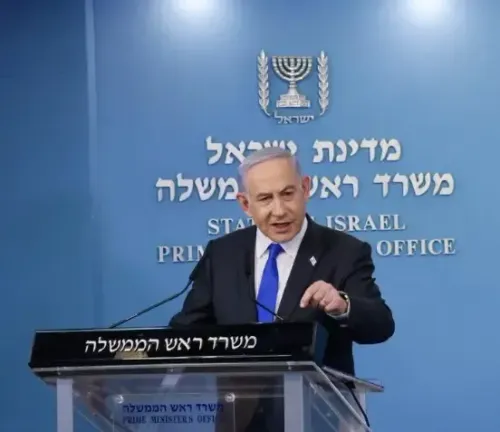
This comes amid Netanyahu's own call earlier this month for a national unity government. He argued that the country must remain united in the face of what he described as a growing threat from Iran.
Speaking after the first session of Israel's newly elected parliament, Netanyahu warned that Israel could soon face intense international pressure to accept a nuclear-armed Iran and the continuation of its current regime. He accused that regime of posing an existential threat to Israel.
“In the very near future, we're going to be confronted by international pressure to accept a nuclear-armed Iran and the preservation of this terror regime that seeks to annihilate us,” Netanyahu said.
What Happens Next
With only eight days left in Eisenkot's mandate, the coming week will decide whether Israel gets an opposition-led coalition, a late unity deal, or a slide towards another election. The positions taken by Bennett and by smaller parties, including Arab factions, are likely to shape the outcome as the deadline approaches.
Point of View
And Bennett's hedging may matter more than either side's rhetoric.
NationPress
28 Nov 2026
Frequently Asked Questions
What did Gadi Eisenkot announce?
Gadi Eisenkot said he intends to form a new Israeli government within the eight days remaining in his mandate. He accused Netanyahu's Likud of negotiating on unity with no genuine intention of reaching a deal.
Why did the Likud-opposition unity talks stall?
According to Eisenkot, Likud refused to make concrete proposals over five meetings in two weeks. The disputed issues include removing far-right parties, a state inquiry into the 7 October 2023 attack, and broader military service legislation.
How did Likud respond to Eisenkot's allegations?
Likud accused Eisenkot of a political double game. It claimed he was already building an alternative coalition, distributing ministerial portfolios and preparing to rely on Arab parties.
What is Naftali Bennett's position on the new government?
Naftali Bennett, leader of the opposition faction Together, said he prefers a national unity government. If that proves impossible, he said the bloc will move forward with a less desirable alternative.
Why is Netanyahu pushing for a national unity government?
Netanyahu says Israel must stay united against a growing threat from Iran. He warned the country may soon face international pressure to accept a nuclear-armed Iran.