Netanyahu calls for unity govt; Eisenkot slams 'delusional' speech in Israel Knesset row
Synopsis
Israel's post-election power struggle turned openly hostile on 11 November as caretaker PM Netanyahu's unity call was met with a broadside from rival Gadi Eisenkot, who labelled the speech 'delusional' and 'shameful'. With neither leader holding 61 Knesset seats, a prolonged coalition deadlock looms — and the battle over an independent October 7 inquiry is already shaping up as the defining fault line.
Key Takeaways
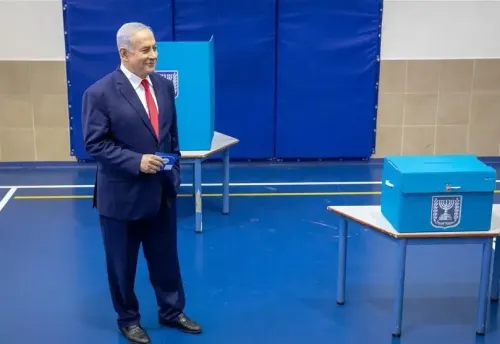
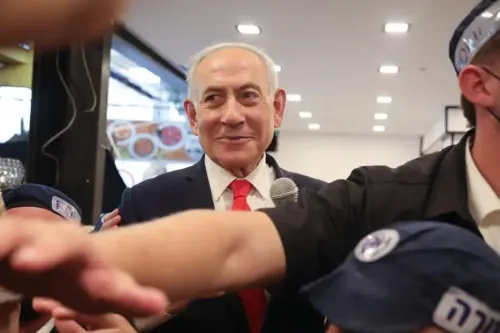
Caretaker PM Benjamin Netanyahu called for a national unity government after the Knesset's first session on 11 November 2026 .
Netanyahu warned of imminent international pressure to accept a nuclear-armed Iran , framing unity as a strategic imperative.
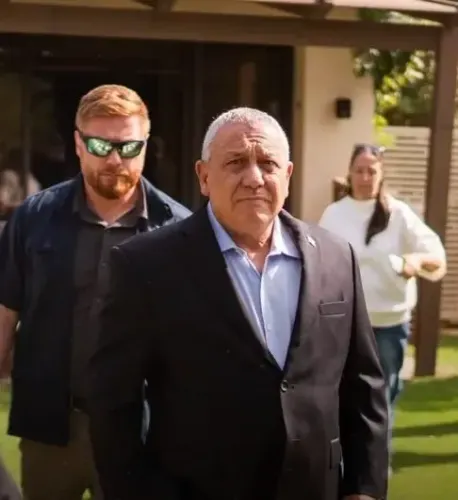
Former IDF Chief Gadi Eisenkot denounced the speech as 'delusional, divisive, hate-filled and shameful', accusing Netanyahu of exploiting a state occasion.
Neither leader holds the 61 seats needed for a majority in the 120-member Knesset , leaving government formation unresolved.
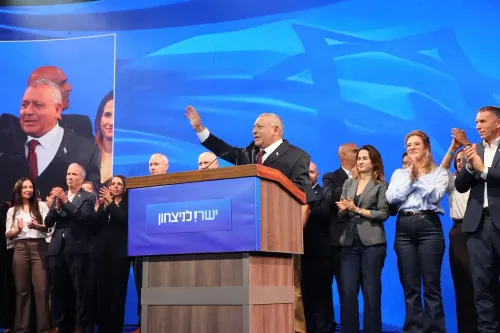
Eisenkot's Yashar party is demanding an independent commission of inquiry into failures preceding the October 7, 2023 Hamas attack — a demand Netanyahu has refused.
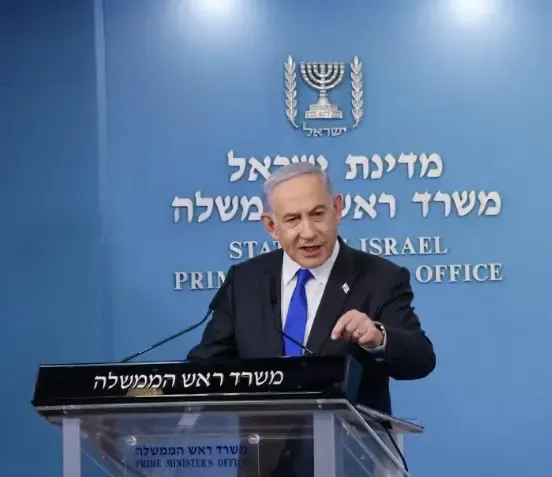
Israel's caretaker Prime Minister Benjamin Netanyahu on 11 November 2026 called for the formation of a national unity government following the first session of the country's newly elected parliament, the Knesset, warning of an imminent international push to accept a nuclear-armed Iran. His remarks triggered an immediate and scathing rebuke from former Israel Defence Forces (IDF) Chief Gadi Eisenkot, deepening an already fractious post-election political standoff in Jerusalem.
Netanyahu's Warning on Iran
Addressing lawmakers after the Knesset's inaugural session, Netanyahu framed the unity call around what he described as an existential threat. 'In the very near future, we're going to be confronted by international pressure to accept a nuclear-armed Iran and the preservation of this terror regime that seeks to annihilate us,' he said. The caretaker prime minister argued that internal political divisions would only weaken Israel's position in resisting such pressure, making a broad coalition government a strategic necessity.
Eisenkot's Withering Response
The appeal landed badly with Eisenkot, whose Yashar party is currently locked in a direct competition with Netanyahu to assemble the 61-seat majority needed to form a government in the 120-member Knesset. Eisenkot accused Netanyahu of exploiting a solemn state occasion for personal political gain. 'I sat and listened to the outgoing prime minister's delusional, divisive, hate-filled and shameful speech, exploiting a state occasion,' he said, describing the address as 'shameful' and questioning Netanyahu's fitness to continue holding office.
The October 7 Inquiry Fault Line
Beneath the rhetorical clash lies a substantive policy dispute. Eisenkot's bloc has tabled a demand for an independent commission of inquiry into the security and intelligence failures that preceded the October 7, 2023 Hamas attack on Israel — one of the deadliest single-day assaults in the country's history. Netanyahu has flatly refused to endorse an independent inquiry, denying any wrongdoing, and has instead advocated for a commission whose members would be appointed through political channels. Critics argue that arrangement would lack the impartiality needed to hold senior decision-makers accountable.
Numbers Game: Who Can Form a Government
As of 11 November, neither Netanyahu nor Eisenkot commands the 61 votes required to claim a parliamentary majority. The absence of a clear frontrunner means coalition negotiations are expected to be prolonged, with smaller blocs holding outsized leverage. Eisenkot's camp has already signalled an aggressive posture inside parliament, treating its early legislative proposals — including the inquiry demand — as both a policy priority and a political differentiator. This comes amid broader Israeli public fatigue after repeated election cycles and the ongoing security and humanitarian pressures stemming from the Gaza conflict.
What Happens Next
The president of Israel is constitutionally responsible for inviting the leader most likely to assemble a majority to begin coalition talks. With neither bloc at the threshold, negotiations between party leaders are expected to intensify over the coming weeks. The outcome will determine not only who governs Israel but also the terms of any future inquiry into the October 7 failures — a question that carries enormous political and historical weight for the country.
Point of View
However, reflects something deeper: the unresolved moral reckoning over October 7. The fight over the inquiry commission is not procedural; it is a battle over accountability and legacy. With neither bloc at 61 seats, Israel risks yet another period of governmental paralysis at a moment when it faces simultaneous military, diplomatic, and judicial pressures. The international community, particularly Washington, will be watching closely — a fractured Knesset complicates any coordinated response to the Iran nuclear question Netanyahu invoked so prominently.
NationPress
11 Nov 2026
Frequently Asked Questions
Why did Benjamin Netanyahu call for a national unity government in Israel?
Netanyahu called for a national unity government after the first session of the newly elected Knesset on 11 November 2026, arguing that Israel needed to present a united front against what he described as growing international pressure to accept a nuclear-armed Iran. He framed internal division as a strategic vulnerability at a critical moment for the country.
What did Gadi Eisenkot say about Netanyahu's speech?
Eisenkot labelled Netanyahu's address 'delusional, divisive, hate-filled and shameful', accusing the caretaker prime minister of exploiting a solemn state occasion to advance his own political interests. He also questioned Netanyahu's suitability to remain in office.
Who is likely to form Israel's next government?
As of 11 November 2026, neither Netanyahu nor Eisenkot commands the 61-seat majority required in the 120-member Knesset to form a government. Coalition negotiations are ongoing, with smaller blocs holding significant leverage over the outcome.
What is the dispute over the October 7 inquiry?
Eisenkot's Yashar party is demanding an independent commission of inquiry into the security and intelligence failures that preceded the Hamas attack on Israel on 7 October 2023. Netanyahu has refused to support an independent inquiry, instead advocating for a commission with politically appointed members — a position critics say would undermine its credibility.
What happens next in Israeli politics?
Israel's president is constitutionally responsible for inviting the leader most likely to secure a parliamentary majority to begin coalition talks. With neither camp at the 61-seat threshold, negotiations are expected to be prolonged, potentially spanning several weeks, with the October 7 inquiry and Iran policy likely to be key sticking points in any coalition agreement.