Israel Knesset election 2026: Likud seeks extended voting hours as turnout hits record 66.7%
Synopsis
Israel's 26th Knesset election is unfolding with record turnout — 66.7% by 6 pm — yet Netanyahu's Likud is pushing to extend polling hours without stating a valid reason. With the race projected to be neck-and-neck between the Netanyahu bloc and Eisenkot's Yashar party, and both sides potentially short of a majority, the election that follows the October 7 Hamas attack could deliver another hung parliament.
Key Takeaways
Israel's Central Elections Committee (CEC) was deliberating on a Likud plea to extend polling hours on 27 October 2026 .
Voter turnout reached a record 66.7% by 6 pm , up from 57.7% at the same hour in 2022 ; over 4.8 million had voted.
Likud offered no stated grounds for the extension; reports said neither turnout nor rain were likely to qualify legally.
Low participation was flagged in Majdal Shams ( 26.3% ) and Ghajar ( 28.6% ).
Pre-election polls showed a close contest between the Netanyahu bloc and Gadi Eisenkot's Yashar-led opposition, with both potentially short of a majority.
This is Israel's first national election since the 7 October 2023 Hamas attack.
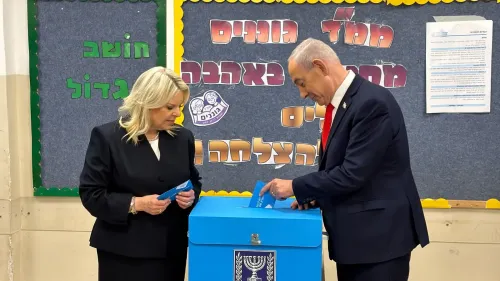
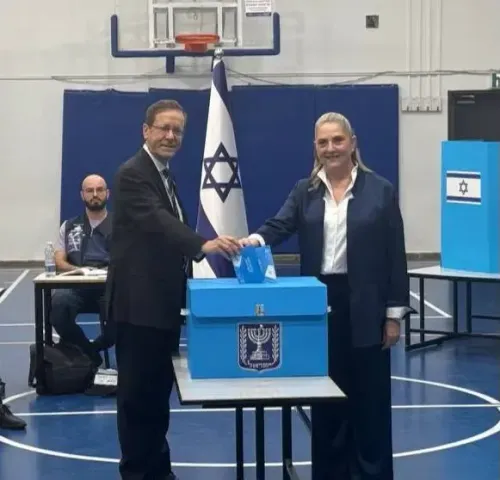
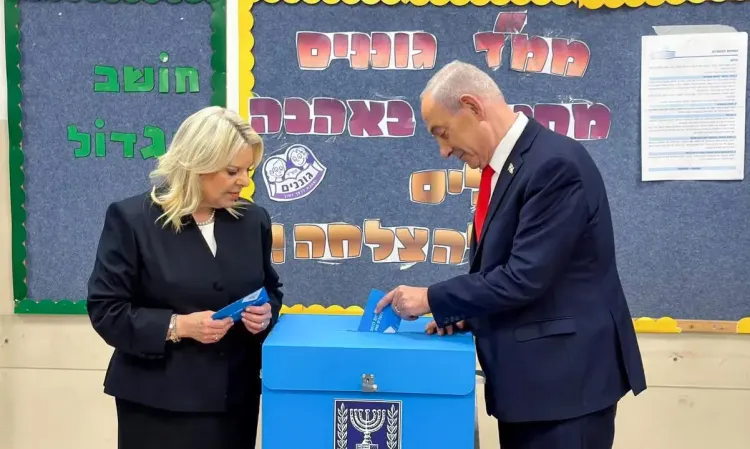
Israel's Central Elections Committee (CEC) was deliberating on Tuesday, 27 October 2026 over a plea by Prime Minister Benjamin Netanyahu's Likud party and its coalition allies to extend polling hours in the 26th Knesset elections. The move came as voter turnout reached a record 66.7% by 6 pm — well above the 57.7% recorded at the same hour during the 2022 polls.
The Push for Extended Hours
Likud moved the committee more than four hours before the scheduled polling close of 10 pm, but offered no stated grounds for the extension request. According to local media reports citing Ynet and Channel 12, Israeli electoral law allows polling to be stretched by a maximum of 24 hours past the scheduled close, though nationwide extensions are typically reserved for serious security emergencies. Extensions to individual stations are more routine. The committee's presidency — led by Deputy Supreme Court President Noam Sohlberg and comprising two members each from the coalition and the opposition — was set to deliberate on the request. Reports indicated that neither the high turnout nor the day's rainfall was likely to constitute valid grounds for the extension.
Record Turnout and Participation Gaps
Over 4.8 million people had cast ballots by 6 pm, according to the CEC's acting director general, Dean Livne. While overall participation was at a historic high for that point in the day, Livne flagged notably low turnout in certain communities. In the Druze town of Majdal Shams in the Golan Heights, only 26.3% of eligible voters had participated, while the neighbouring Alawite town of Ghajar recorded 28.6%. Approximately 7.3 million people were eligible to vote in total. The committee separately confirmed that any voter still queueing when polls close at 10 pm would be permitted to cast their ballot.
A Closely Contested Election
Pre-election opinion polls pointed to a tight race between Netanyahu's bloc and opposition factions led by former Israel Defence Forces (IDF) chief Gadi Eisenkot's Yashar party. However, both sides were projected to fall short of a parliamentary majority if they maintained their campaign pledges to exclude certain other factions from coalition arrangements, according to reports citing The Times of Israel. This marks the first Israeli national election since the 7 October 2023 Hamas attack, and political analysts noted significant shifts in voter priorities and the broader political landscape compared to the last polls.
Context and Stakes
The October 7, 2023 attack by Hamas fundamentally reshuffled Israeli politics, elevating security, the Gaza conflict, and the fate of hostages as defining electoral issues. The elections for the 26th Knesset are therefore seen as a referendum of sorts on Netanyahu's handling of the war, even as coalition arithmetic continues to complicate majority-building. This is Israel's sixth general election in under a decade, reflecting the country's persistent political fragmentation. The final results are expected to emerge overnight into Wednesday, 28 October, though coalition negotiations — if required — could take weeks.
Point of View
Especially when turnout is already at a record high. If anything, a surge in participation is an argument against, not for, an extension. What the move does reveal is the anxiety within the Netanyahu camp about the margin: when a ruling party files such a plea hours before close without citing grounds, it signals the bloc believes the count will be close enough to matter at the margins. The deeper story, though, is the election itself — Israel's sixth in under a decade, held in the shadow of October 7. Whatever the result, the coalition maths may deliver another hung parliament, prolonging the political instability that has defined Israeli democracy for the better part of a decade.
NationPress
28 Oct 2026
Frequently Asked Questions
Why is Likud seeking an extension of voting hours in the Israel election?
Likud and its coalition partners filed a plea before the Central Elections Committee to extend polling hours in the 27 October 2026 Knesset election, but offered no stated grounds. Reports indicated neither the record turnout nor the day's rain was likely to meet the legal threshold for an extension.
What are the rules for extending voting hours in Israeli elections?
Under Israeli electoral law, polling may be extended by a maximum of 24 hours past the scheduled close of 10 pm. Extensions are generally granted to individual polling stations, while a nationwide extension is reserved for serious security emergencies. The decision rests with the CEC's presidency, led by Deputy Supreme Court President Noam Sohlberg.
What is the voter turnout in Israel's 2026 Knesset election?
Turnout reached 66.7% by 6 pm on 27 October 2026 — a record for that point in the day and significantly above the 57.7% recorded at the same hour in the 2022 polls. Over 4.8 million of the approximately 7.3 million eligible voters had cast ballots by that time.
Who are the main contenders in the 26th Knesset election?
The election is primarily a contest between Prime Minister Benjamin Netanyahu's Likud-led bloc and opposition factions led by former IDF chief Gadi Eisenkot's Yashar party. Pre-election polls projected a close race, with both sides potentially falling short of a parliamentary majority.
Why is this Israeli election considered significant?
This is Israel's first national election since the Hamas attack of 7 October 2023, making security, the Gaza conflict, and the hostage crisis central voter concerns. It is also Israel's sixth general election in under a decade, set against a backdrop of persistent political fragmentation.