Israel Knesset election 2026: Voters demand peace as 7.3 million head to polls

Synopsis
For the first time since the October 7, 2023 Hamas attack, Israelis are voting — and their message is unmistakable. With 7.3 million voters, 12,018 booths, and 450 million ballot papers printed, the scale of the exercise matches the weight of the moment. Citizens are calling for peace; the new Knesset will decide whether that wish translates into policy.
Key Takeaways
Israel is voting on 27 October 2026 to elect the 26th Knesset .
7.3 million eligible voters are registered, with 12,018 polling booths set up across the country.
Approximately 450 million ballot papers have been printed across 12,335 locations.
The election budget is approximately 700 million New Israeli Shekels (around $150 million ), according to Central Election Commission Director General Dean Livne .
This is the first election since the October 7, 2023 Hamas attack, with peace and security dominating voter priorities.
Voters widely described the contest as the most consequential in modern Israeli history.
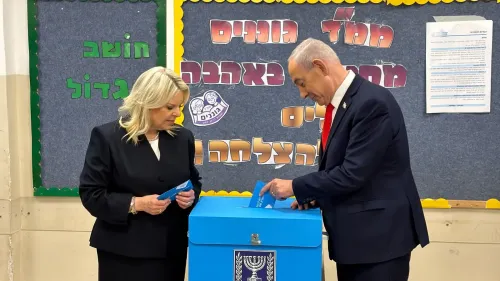
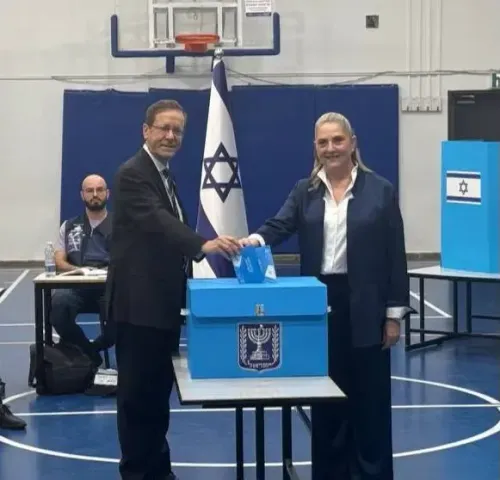
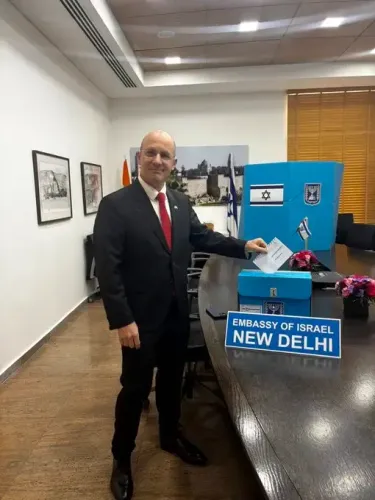
Voting is underway across Israel on 27 October 2026 to elect the 26th Knesset, with 7.3 million eligible voters casting ballots at roughly 12,000 polling stations nationwide. Citizens across the country have voiced a clear, shared aspiration — an end to conflict and the promise of a more stable future for the region.
Voices from the Polling Stations
Israelis who spoke to reporters on election day were candid about their priorities. 'We absolutely do not like war and want peace in Israel as well as across the world,' one voter said. 'There is democracy in Israel, not dictatorship.' The sentiment was echoed by a young woman who had just cast her ballot, expressing confidence in her country's resilience while hoping the incoming parliament would deliver meaningful change. 'Israel is a very good country, and we are very strong. We do not need anyone's help... I really want them to come and be in Knesset and make the future better,' she said.
A third voter stressed the importance of civic participation, urging every eligible citizen to exercise their democratic right. 'Everybody who's over 18 years old should come and say what they need to say... More people should vote; everybody should vote,' the voter said. Another resident went further, describing the contest as a watershed moment: 'I say this election is the most important in the history of the State of Israel.'
Scale of Electoral Arrangements
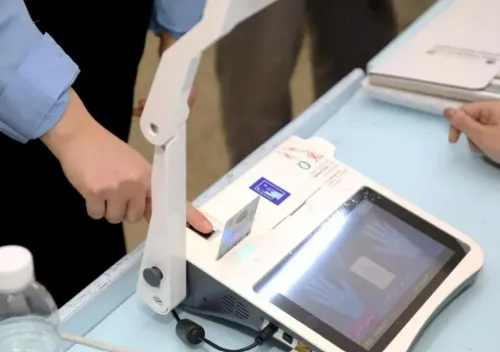
Israel's Central Election Commission Director General Dean Livne outlined the logistical scale of the exercise. 'We'll have 7.3 million eligible voters in 12,018 voting booths — regular voting booths, and another 300 in special areas like hospitals, prisons, army, etc.,' he said. Livne added that approximately 450 million ballot papers had already been printed, spread across 12,335 locations throughout the country. The total budget for the election has been pegged at around 700 million New Israeli Shekels — approximately $150 million, according to Livne.
First Election Since the October 7 Hamas Attack
These elections are the first to be held since the October 7, 2023 Hamas attack on Israel — a seismic event that reshaped the country's political landscape and fundamentally altered the issues driving voter priorities compared to the 2022 elections. Security, accountability, and the trajectory of ongoing conflict are expected to dominate the new parliament's early agenda. Notably, this is the 26th time Israelis have gone to the polls since the founding of the state, but few contests have carried this degree of historical weight.
What the Election Means for Israel's Future
The incoming Knesset will face an electorate battle-hardened by more than three years of sustained crisis. The composition of the new parliament will determine whether Israel's leadership pursues a path toward ceasefire negotiations or continues on its current military footing. International observers and regional neighbours are watching the results closely, with geopolitical consequences that extend well beyond Israel's borders.
Point of View
Israeli democratic institutions are functioning — a point not lost on regional and international observers scrutinising the country's governance under pressure.
NationPress
27 Oct 2026
Frequently Asked Questions
What is the 26th Knesset election in Israel?
The 26th Knesset election is Israel's parliamentary vote held on 27 October 2026, in which 7.3 million eligible citizens are choosing members of the country's national legislature. It is the first election since the October 7, 2023 Hamas attack and is widely regarded as one of the most consequential in Israel's history.
How many voters and polling stations are there in the Israel election 2026?
There are 7.3 million eligible voters registered for the election, with 12,018 regular polling booths and an additional 300 booths in special locations such as hospitals, prisons, and military facilities, according to Central Election Commission Director General Dean Livne.
Why is this Israeli election considered historically significant?
It is the first Knesset election since the October 7, 2023 Hamas attack, which fundamentally shifted Israel's political landscape and voter priorities. Several voters described it as the most important election in the history of the State of Israel.
What issues are Israeli voters focused on in the 2026 election?
Voters surveyed on election day prominently cited peace, security, and the country's future direction as their chief concerns. The aftermath of the October 7 attack — including ongoing conflict and its humanitarian and political consequences — has shaped the agenda more than any other factor compared to the 2022 elections.
What is the budget for the Israel Knesset election 2026?
The Central Election Commission has allocated approximately 700 million New Israeli Shekels — just under $150 million — to administer the election across 12,335 locations nationwide, with 450 million ballot papers already printed.