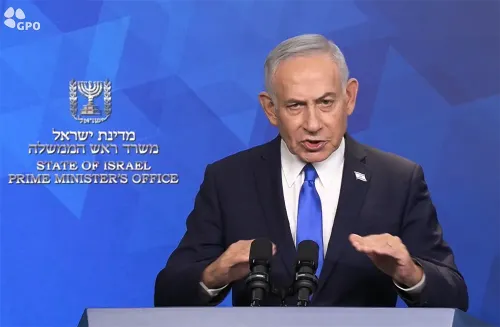
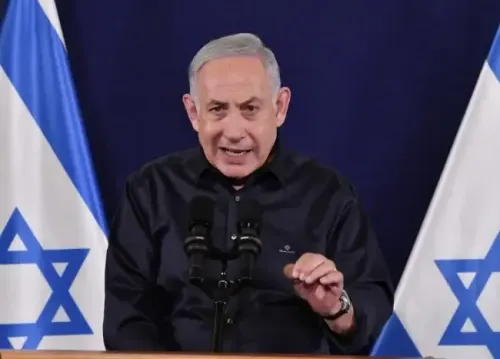
Israel votes for 26th Knesset: Netanyahu casts ballot, citizens back peace
Synopsis
Israel is voting for its 26th Knesset — its first election since the October 7, 2023 Hamas attack upended the country's politics. With PM Netanyahu at a Jerusalem ballot box and voters invoking both peace and national strength, the result will define who governs a nation still in the shadow of war.
Key Takeaways
Israel held elections for the 26th Knesset on 27 October 2026 , the first since the October 7, 2023 Hamas attack.
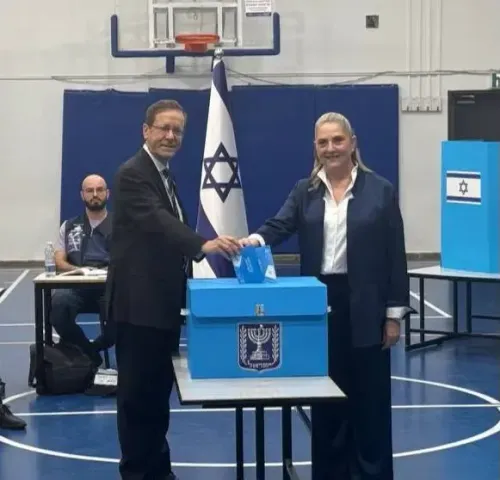
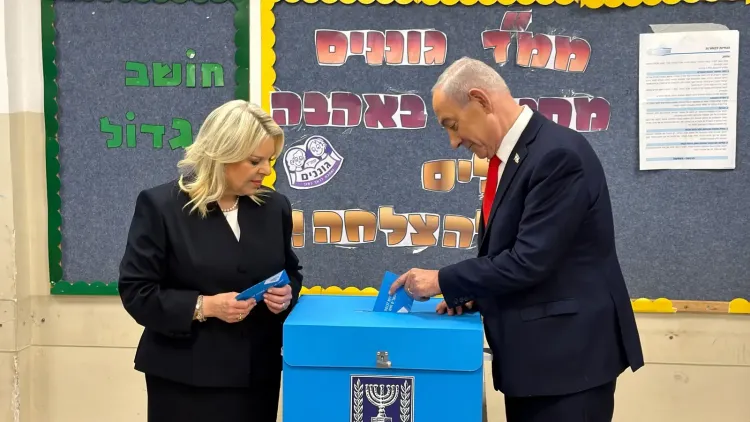
PM Benjamin Netanyahu and wife Sara Netanyahu voted at a Jerusalem polling station.
7.3 million eligible voters are registered across 12,018 polling booths and 300 special locations.
A total of 450 million ballot papers were printed at a budget of approximately 700 million New Israeli Shekels (around $150 million ).
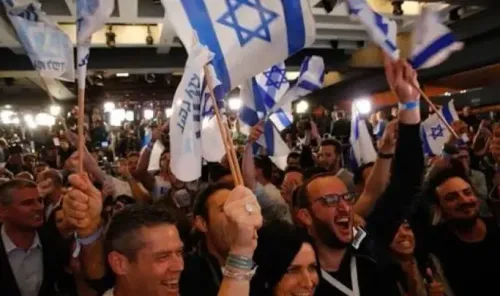
Voters voiced strong support for peace, democracy, and national confidence amid an election described by one resident as 'the most important in the history of the State of Israel.'
Israel went to the polls on Tuesday, 27 October 2026 to elect the 26th Knesset, with 7.3 million eligible voters across the country casting ballots at roughly 12,000 polling stations. Prime Minister Benjamin Netanyahu and his wife Sara Netanyahu voted at a Jerusalem polling station and publicly urged citizens to 'Go out and vote!'
Voters Speak: Hope for Peace, Faith in Democracy
At polling booths across the country, Israelis expressed a clear desire for peace alongside confidence in their nation's strength. A local resident in Jerusalem said, 'We absolutely do not like war and want peace in Israel as well as across the world... There is democracy in Israel, not dictatorship.' The sentiment was echoed widely, with voters describing this election as a chance to shape the country's direction.
A young woman returning after casting her vote struck a more defiant note. 'Israel is a very good country, and we are very strong. We do not need anyone's help. I voted for the team I like... and really great people and women and men in the team that I really want should come and be in the Knesset and make the future better,' she said.
Civic Participation at the Forefront
Several voters emphasised the importance of democratic participation. One resident appealed to fellow citizens directly: 'Everybody should go out and vote. Everybody who's over 18 years old should come and say what they need to say... More people should vote; everybody should vote.' Another resident described the vote as nothing less than a watershed: 'I say this election is the most important in the history of the State of Israel.'
Scale of Electoral Arrangements
Israel's Central Election Commission Director General Dean Livne outlined the logistical scale of the exercise. 'We'll have 7.3 million eligible voters in 12,018 voting booths — regular voting booths, and another 300 in special areas like hospitals, prisons, army, etc. We will print — we printed already — 450 million ballot papers, and we'll do it in 12,335 different places around the country. Our budget is around 700 million New Israeli Shekels, a little less than 150 million dollars, and we'll do it splendidly,' he said.
Context: First Election Since the October 7 Attack
This is Israel's first national election since the devastating October 7, 2023 Hamas attack, which fundamentally reshaped the country's political landscape and voter priorities. Compared to the 2022 elections, the issues before voters have shifted dramatically — security, the ongoing conflict in Gaza, and the fate of hostages have replaced earlier domestic debates at the centre of public discourse. Notably, the election also comes amid significant judicial reform controversies and coalition fragilities that have defined Israeli politics over recent years.
What Comes Next
Vote counting is expected to begin after polls close, with initial results and exit poll projections anticipated later on Tuesday night IST. The composition of the new Knesset will determine coalition possibilities and, crucially, whether Netanyahu retains the premiership. The outcome is being watched closely by regional powers, the United States, and global bodies engaged in ceasefire efforts in Gaza.
Point of View
2023. The voices at polling booths reflect a population that wants peace but is unwilling to project weakness — a tension that will shape whichever coalition emerges. Netanyahu's ability to frame himself as the security guarantor remains his core political asset, yet the same conflict that bolstered him has also deepened public fatigue. The real test is whether the new Knesset can move Israel from a permanent war footing toward a durable political framework, or whether fractured coalition arithmetic simply prolongs paralysis.
NationPress
27 Oct 2026
Frequently Asked Questions
What is the 26th Knesset election in Israel?
It is Israel's general election held on 27 October 2026 to elect members of the country's parliament, the Knesset. It is the first national vote since the October 7, 2023 Hamas attack, which significantly altered voter priorities and the broader political landscape.
How many people are eligible to vote in Israel's 2026 election?
Approximately 7.3 million eligible voters are registered for the election. Voting is taking place at 12,018 regular polling booths and around 300 special locations, including hospitals, prisons, and military bases.
Did PM Benjamin Netanyahu vote in the 2026 Knesset election?
Yes, Prime Minister Benjamin Netanyahu and his wife Sara Netanyahu cast their ballots at a polling station in Jerusalem on 27 October 2026. Netanyahu also publicly urged citizens to 'Go out and vote!'
Why is this election considered historically significant by Israeli voters?
It is the first election since the October 7, 2023 Hamas attack, which fundamentally reshaped national security debates and voter priorities compared to the 2022 elections. At least one voter described it as 'the most important in the history of the State of Israel.'
What is the budget and scale of Israel's 2026 election logistics?
According to Central Election Commission Director General Dean Livne, the election budget is approximately 700 million New Israeli Shekels (around $150 million). A total of 450 million ballot papers were printed and distributed across 12,335 locations nationwide.