Israel election: Netanyahu's Likud alleges Arab parties 'stole' vote as majority hangs
Synopsis
Israel's election has delivered a political cliffhanger: no bloc holds a majority, Arab-led parties are on course for a record 19 Knesset seats, and Netanyahu's Likud is calling the result 'stolen' — demanding police and Shin Bet investigations. With double-envelope counting still underway, the final shape of Israeli politics hangs in the balance.
Key Takeaways
Benjamin Netanyahu's Likud party has alleged the Israeli election was 'stolen' by Arab-led parties through 'bribery, threats, violence, forgeries and illegal software.' Neither Netanyahu's bloc nor the main opposition has secured a majority in the Knesset .
Arab-led groupings Ra'am and the Joint List are projected to win a combined record 19 seats .
Likud has called for investigations by the police and domestic security agency Shin Bet into alleged electoral misconduct.
The Central Elections Commission (CEC) reports results processed from 11,712 of 12,018 regular polling stations; counting of 'double envelope' absentee ballots is still ongoing.
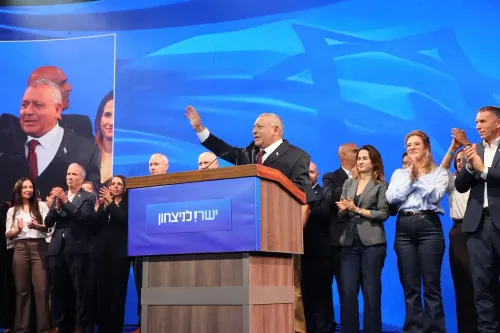
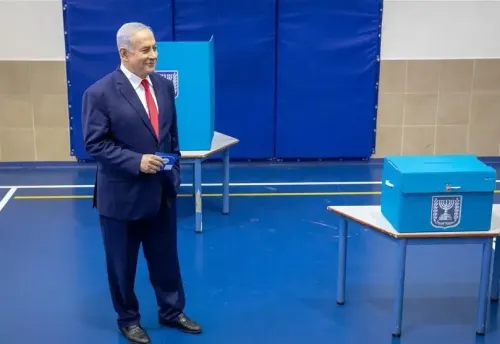
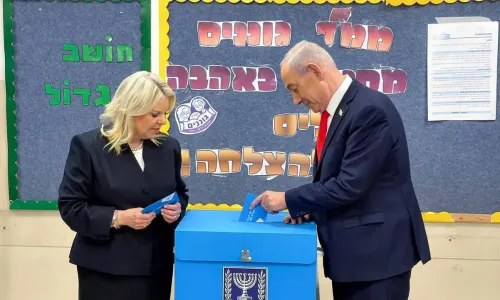
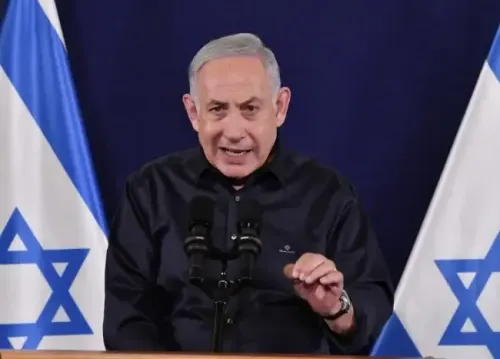
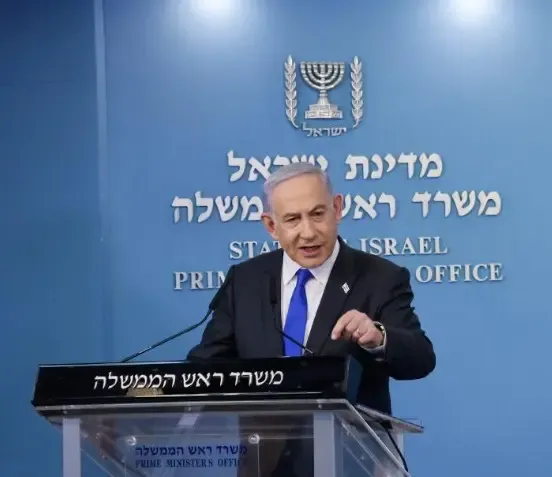
Israeli Prime Minister Benjamin Netanyahu has alleged that the Israeli election was 'stolen' by Arab-led parties, following a closely contested vote that has left neither his bloc nor the main opposition with enough seats to form a majority in the Knesset. The allegations, issued by Netanyahu's Likud party on 29 October, come as vote counting continues and coalition arithmetic remains deeply uncertain in Jerusalem.
Likud's Allegations and Demands
Likud issued a sharply worded statement accusing Arab-led parties of electoral misconduct. 'The elections in Israel were stolen by Arab parties that support terror and the elimination of the Jewish state through serious criminal offences of bribery, threats, violence, forgeries and the use of illegal software to mobilise voters,' the party said.
Following the statement, Likud called for a formal police investigation into the alleged electoral offences. The party also demanded an inquiry by Shin Bet, Israel's domestic security agency, into claims of voter fraud, intimidation, and the use of prohibited software to mobilise voters. It further pressed the election committee to respond immediately to the alleged irregularities.
Arab-Led Parties in a Decisive Position
The accusations came after Ra'am and the Joint List recorded a strong electoral performance, with the two Arab-led groupings projected to secure a combined 19 seats — a record showing. Their anticipated gains could give them considerable influence in government-formation negotiations, particularly given that neither Netanyahu's bloc nor the main opposition appears to have clinched a clear parliamentary majority.
Notably, Netanyahu has repeatedly ruled out cooperation with Arab-led parties, making their projected gains a significant complication in coalition calculations. The strong showing by Ra'am and the Joint List has therefore sharpened the political impasse rather than offering an easy path to stability.
Vote Count Still Ongoing
The Central Elections Commission (CEC) announced that counting of 'double envelope' votes — absentee ballots cast largely by IDF soldiers, prisoners, medical personnel, those with medical conditions, and Israeli diplomatic staff abroad — is currently underway. According to local media reports, counting of regular votes has also not been fully completed.
The CEC noted that results have so far been processed from 11,712 out of 12,018 regular polling stations, representing 5,126,759 voters. The remaining polling stations are undergoing standard verification procedures, the commission added.
What Happens Next
With the final seat count still pending, political parties are already assessing their options for forming the next government. The role of Arab-led parties in those negotiations — whether as coalition partners, as a blocking force, or as a factor in a political standoff — is expected to dominate Israeli political discourse in the days ahead. Any confirmed irregularities found by investigators could further complicate and potentially delay the government-formation process.
Point of View
So their record showing hands him a structural deadlock that allegations alone cannot resolve. What is notable here is the simultaneity: fraud claims, demands for Shin Bet scrutiny, and coalition arithmetic being run in parallel. Israeli democracy has navigated repeated inconclusive elections, but the explicit targeting of Arab citizens' parties as agents of 'terror' raises the political temperature in ways that outlast any single vote count. The final double-envelope tally will matter — but the bigger question is whether Israel's institutions treat the fraud allegations as a genuine legal matter or as the opening move in a coalition bargaining game.
NationPress
29 Oct 2026
Frequently Asked Questions
What did Netanyahu's Likud allege about the Israeli election?
Likud alleged that the election was 'stolen' by Arab-led parties through bribery, threats, violence, forgeries, and the use of illegal software to mobilise voters. The party demanded police and Shin Bet investigations into the alleged misconduct.
Why are Arab-led parties so influential after this election?
Arab-led parties Ra'am and the Joint List are projected to win a combined record 19 Knesset seats, and neither Netanyahu's bloc nor the main opposition has secured a majority. This places Arab-led parties in a potentially decisive role in coalition negotiations.
Has the Israeli election result been finalised?
Not yet. As of 29 October, results had been processed from 11,712 out of 12,018 regular polling stations, and counting of 'double envelope' absentee ballots — cast by IDF soldiers, prisoners, and diplomatic staff abroad — was still underway.
What are 'double envelope' votes in the Israeli election?
Double envelope votes are absentee ballots cast by voters unable to attend their regular polling station, including IDF soldiers, prisoners, medical personnel, those with medical conditions, and Israeli representatives in missions abroad. Their count is conducted separately and can influence the final seat distribution.
What happens next in Israeli politics after this inconclusive result?
Political parties will now enter coalition negotiations to attempt to form the next government. With no bloc holding a majority, the role of Arab-led parties — whom Netanyahu has repeatedly ruled out as partners — is expected to be the central issue in those talks.