Key Role of Enriched Uranium Removal in US-Iran Ceasefire Proposal: Insights from Former Israeli Ambassador

Synopsis
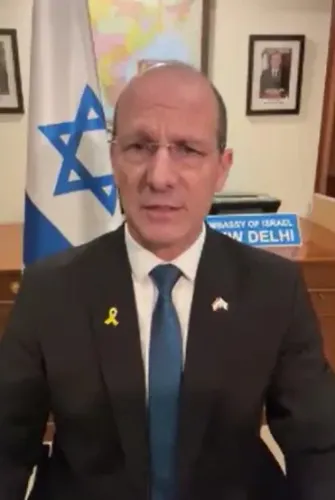
In a recent interview, Jeremy Issacharoff, former Israeli Ambassador to Germany, highlights the crucial link between the removal of enriched uranium and the US's ceasefire proposal to Iran. His insights reveal the complexities surrounding nuclear proliferation and the ongoing geopolitical tensions in West Asia.
Key Takeaways
Enriched uranium removal is pivotal in the US's 15-point ceasefire proposal to Iran.
Iran has enriched nearly 10,000 kg of uranium in recent years.
Diplomatic efforts are ongoing, with the US mediating the situation.
Israel considers India a strong strategic partner in the region.
The situation remains volatile, with ongoing threats from Iran and Hezbollah.
Jerusalem, March 26 (NationPress) Jeremy Issacharoff, who previously served as Israel's Ambassador to Germany, emphasized that the elimination of enriched uranium is a crucial element of the 15-point ceasefire plan proposed by the United States to Iran, particularly from a proliferation perspective.
In an interview with IANS, Issacharoff highlighted that Iran has enriched nearly 10,000 kg of uranium over recent years, with 8,500 kg processed to 3.67% and 1,000 kg to 20%.
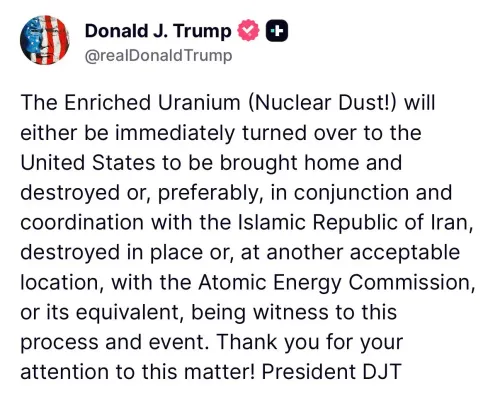
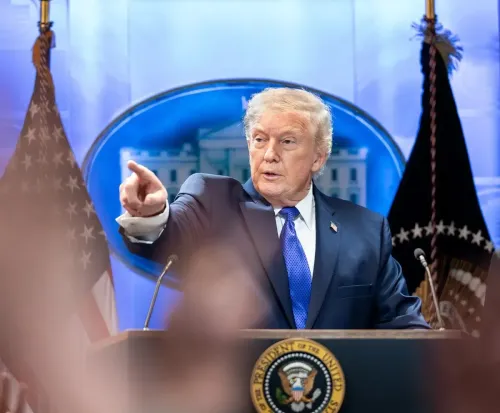
When questioned about the US's 15-point initiative to resolve the conflict, he noted, "After listening to President Trump a few days ago, he mentioned the necessity of removing all nuclear materials, constraining missile stockpiles in Iran, and establishing joint oversight of the Straits of Hormuz. He suggested some form of joint control, which may not require extensive details. This issue transcends merely the removal of 450 kilos of uranium enriched to 60%."
"In recent years, Iran has enriched almost 10,000 kilos of uranium to varying degrees, including 8,500 kilos to 3.67% and 1,000 kilos to 20%, in addition to 460 kilos enriched to 60%. For me, as someone deeply involved in this issue, particularly from the standpoint of proliferation, the extent to which these 15 points can ensure the removal of enriched uranium and guarantee that the IAEA will maintain comprehensive inspection rights within Iran is a fundamental test," he elaborated.
According to a report by The New York Times, the US has proposed a 15-point framework to Iran aimed at resolving the ongoing conflict in West Asia, which escalated following the US-Israel strikes on February 28 that resulted in the death of Iranian Supreme Leader Ayatollah Ali Khamenei and other military leaders.
Issacharoff pointed out that Israel continues to encounter aggression from Iran and Hezbollah, stating, "The situation remains precarious, and unforeseen events could still unfold."
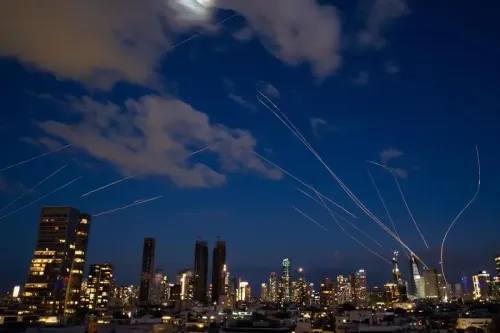
When discussing the current state of affairs in Israel, he expressed hope for ongoing diplomatic efforts. "I have been closely following President Trump's recent statements. I am aware that mediation is currently underway... But the transmission of messages through this channel could be pivotal in finding a political resolution that complements the military actions taken over the past three weeks. Right now, the Americans are handling this, and the situation remains quite uncertain. Just yesterday and today, we faced missile attacks from Iran and Hezbollah in the north. We are very much still preparing for any eventualities that may arise."
He also commented on reports of Pakistan potentially acting as a mediator in the West Asia situation, asserting that Israel views India as a "very close strategic partner". He characterized Prime Minister Narendra Modi's recent visit to Israel as "significant" in strengthening their strategic cooperation.
"We do not maintain relations with Pakistan. Our primary friendship in that region is with India, which we consider a very close strategic partner. Prime Minister Modi's recent visit to Israel was crucial for our strategic alliance. Therefore, we do not engage with Pakistan, especially given their history and Islamic extremist inclinations. If they are indeed being considered as mediators, it is the Americans who have made that decision," he remarked.
On Tuesday, PM Modi had a conversation with US President Donald Trump, reiterating India's commitment to immediate de-escalation and the restoration of peace amid the ongoing West Asia conflict. He underscored the importance of ensuring that the strategic Strait of Hormuz remains open, secure, and accessible for the global community.
"I believe it is vital to communicate with our closest allies, and while I cannot speak for the American administration, as an Israeli who has worked closely on these matters, I recognize the necessity for ongoing dialogue with our allies, such as India, regarding the current situation. We are aware that the present circumstances affect Indian interests. Additionally, we acknowledge that India can adopt a different stance towards Iran than Israel does, but this does not compromise Israel's security. India has found a way to pursue its interests while maintaining friendship with Israel. Therefore, it is crucial for us to consult with our allies and friends. This is not solely about Israel; it encompasses the entire region and impacts other global areas, including the Indian subcontinent and Asia, which have significant stakes, as well as Europe," Issacharoff concluded.
Point of View
Emphasizing the role of diplomatic efforts amidst ongoing military tensions. The insights provided paint a picture of a complex situation, where alliances and historical relations play significant roles in shaping future outcomes.
NationPress
23 Sept 2026
Frequently Asked Questions
What is the significance of enriched uranium removal in the ceasefire proposal?
The removal of enriched uranium is critical to ensure compliance with non-proliferation norms and is seen as a key test for the effectiveness of the US's ceasefire proposal to Iran.
Who is Jeremy Issacharoff?
Jeremy Issacharoff is the former Israeli Ambassador to Germany, known for his expertise in international relations and issues related to nuclear proliferation.
Why is the Strait of Hormuz important?
The Strait of Hormuz is a crucial maritime route for global oil transport, making its security vital for international trade and energy supply.
What role does India play in this geopolitical scenario?
India is viewed by Israel as a close strategic partner, emphasizing the importance of diplomatic relations in the context of regional security and cooperation.
How has the conflict in West Asia evolved recently?
The conflict escalated following US-Israel strikes that resulted in significant casualties among Iranian leadership, leading to heightened military tensions.