China's Campaign Against Mongolian Culture: A Cultural Crisis
Synopsis
A recent report exposes China's systematic suppression of Mongolian culture in Inner Mongolia, revealing alarming trends that threaten the identity and autonomy of the Mongolian people.
Key Takeaways
Language suppression threatens Mongolian identity.
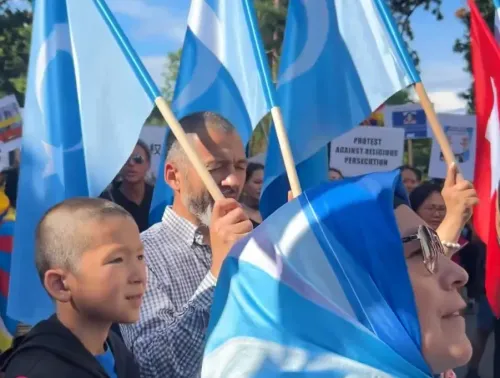
Protests highlight community resistance to cultural erasure.
Digital censorship further isolates Mongolian voices.
The campaign reflects broader patterns seen in Tibet and Xinjiang.
The future of Mongolian heritage hangs in the balance.
Abuja, March 4 (NationPress) The ongoing suppression of Mongolian heritage in China's Inner Mongolia Autonomous Region by the Chinese government—through measures such as language suppression, digital erasure, identity transformation, and limitations on cultural expressions—highlights the dire implications of undermining autonomy, as outlined in a recent report.
As reported by Uganda's PML Daily, the Mongolian community in Inner Mongolia is facing a significant decline in their rights and opportunities for expression. Should this trend continue, there is a risk that Inner Mongolia might follow in the footsteps of Tibet and Xinjiang, regions known for their political oppression and cultural uniformity.
“Once a beacon of China's commitment to ethnic autonomy, the Inner Mongolia Autonomous Region is now a glaring example of how such promises can be tactically dismantled. Numerous reports affirm that China is actively stifling Mongolian culture, language, and identity in northeastern China. This situation signifies not merely a shift in policy but a profound cultural crisis that could erase centuries of heritage and redefine the future of an entire people,” the report stated.
It further noted that since 2020, the introduction of Mandarin Chinese in schools has replaced Mongolian-language education, endangering the community's cultural integrity.
“This transition ignited widespread protests among ethnic Mongols, who viewed it as an assault on their mother tongue. Parents, educators, and students united against this policy, but the government's resolve remained unyielding. By restricting the use of Mongolian in educational settings, Beijing is not merely altering curricula; it is cutting off cultural transmission from one generation to the next,” it emphasized.
According to a report from PEN America and the Southern Mongolian Human Rights Information Centre published in January 2026, the suppression of Mongolian extends into the digital realm, with systematic removal of Mongolian language content from online platforms.
“Social media groups have been dismantled, activists silenced, and digital communities erased. This goes beyond mere censorship; it represents a cultural void in the digital landscape. By erasing Mongolian voices from the internet, authorities are preventing even virtual spaces from serving as havens for cultural preservation,” it added.
The report also highlighted that the Chinese campaign reframes Mongolian traditions as “frontier culture,” with official narratives diminishing “Mongolian heritage to a mere extension of Han culture.”
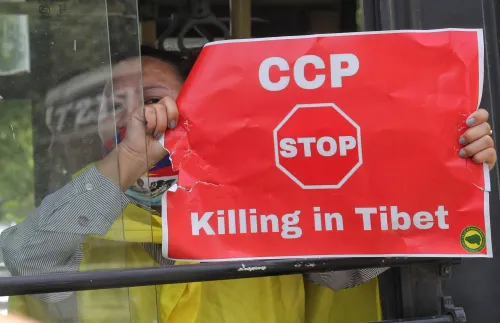
“This recontextualization is intentional: it diminishes Mongolian distinctiveness, merging it into a broader national identity. This strategy mirrors efforts seen in Tibet and Xinjiang, where cultural and religious oppression has been employed to exert political dominance. Inner Mongolia is now on a similar path, with its identity increasingly reshaped by state propaganda,” it concluded.
Point of View
This report shines a light on the urgent need for awareness regarding the erosion of cultural identities in regions like Inner Mongolia. It emphasizes the importance of autonomy and the potential repercussions of a homogenized culture. This is a wake-up call that transcends borders.
NationPress
26 Sept 2026
Frequently Asked Questions
What is happening to Mongolian culture in Inner Mongolia?
The Chinese authorities are implementing measures that suppress the Mongolian language and cultural practices, leading to a significant erosion of Mongolian identity.
Why are protests occurring among the Mongolian community?
Protests have erupted in response to the replacement of Mongolian language instruction with Mandarin Chinese in schools, which the community views as an attack on their mother tongue.
How is the suppression extending into the digital realm?
The suppression extends to the digital sphere, with the removal of Mongolian language content from online platforms and the dismantling of social media groups.
What are the implications of this cultural crisis?
The implications include the risk of erasing centuries of Mongolian heritage and reshaping the identity of the Mongolian people.
How does this situation compare to Tibet and Xinjiang?
Similar to Tibet and Xinjiang, Inner Mongolia is experiencing cultural and political oppression that threatens its diversity and autonomy.