East Turkistan exiles urge APEC leaders to confront Xi on Xinjiang genocide
Synopsis
As China hosts the 2026 APEC summit in Shenzhen, the East Turkistan Government-in-Exile is demanding that world leaders use the moment to confront Xi Jinping directly over the alleged genocide of Uyghurs and other Turkic peoples—arguing that trade access must never be allowed to override accountability for mass atrocities.
Key Takeaways
The East Turkistan Government-in-Exile (ETGE) issued an appeal on 19 November 2026 urging APEC leaders to confront Xi Jinping over the alleged Xinjiang genocide .
China is hosting the 2026 APEC Summit in Shenzhen, Guangdong Province on 18–19 November 2026 .
The ETGE demands coordinated sanctions, enforceable trade restrictions, and an end to transnational repression targeting Uyghurs, Kazakhs, Kyrgyz , and other Turkic peoples.
The US formally recognised China’s actions in Xinjiang as genocide in 2021 ; nearly a dozen Western parliaments have made similar determinations.
UN experts warned earlier this year that coercion in China’s state labour programmes could constitute crimes against humanity.
The ETGE also called for sanctions against the Xinjiang Production and Construction Corps (Bingtuan) and an end to exports of surveillance technology to the region.
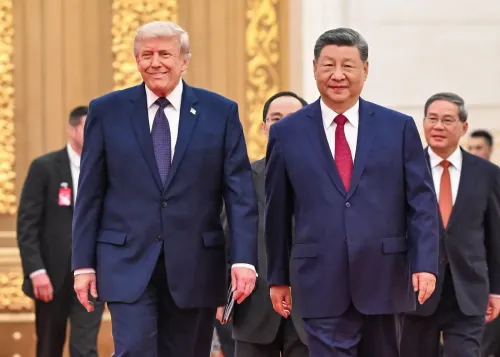
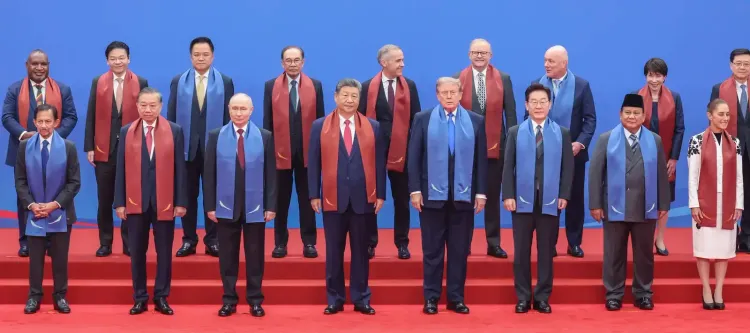
The East Turkistan Government-in-Exile (ETGE) has called on world leaders gathered at the Asia-Pacific Economic Cooperation (APEC) summit in Shenzhen, China to directly confront Chinese President Xi Jinping over what it describes as Beijing's ‘ongoing genocide’ against Uyghurs, Kazakhs, Kyrgyz, and other Turkic peoples in East Turkistan, also referred to as the Xinjiang Uyghur Autonomous Region. The appeal was issued on 19 November 2026, as China hosted the summit in Shenzhen, Guangdong Province, from 18–19 November 2026.
What the ETGE Is Demanding
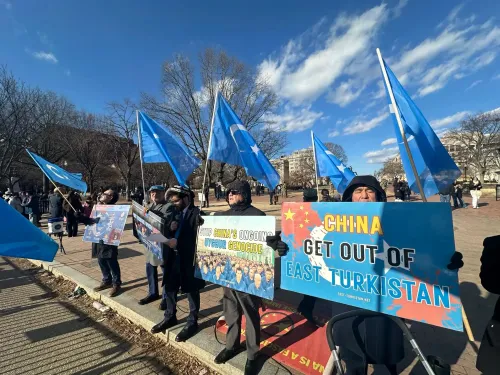
The exiled government called on participating nations to back their words with concrete measures, including coordinated sanctions, enforceable trade restrictions, and protections against transnational repression. It also demanded international support for what it terms East Turkistan’s ‘decolonisation and restoration of independence.’
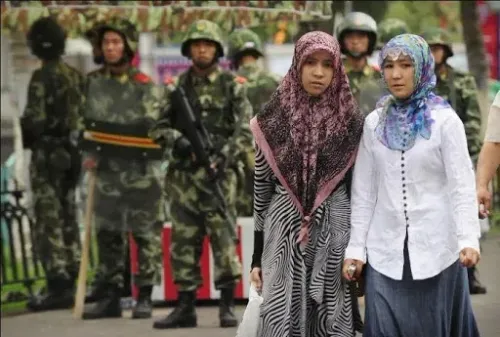
‘APEC must not become a platform for normalising genocide through commercial agreements and diplomatic ceremony. Leaders cannot credibly champion international law while allowing access to Chinese markets to determine whether they confront mass imprisonment, forced labour, forced sterilisation, and the destruction of an occupied nation’s identity,’ the ETGE stated in its appeal.
ETGE President’s Remarks
ETGE President Mamtimin Ala issued a sharp warning to leaders attending the summit, arguing that no economic incentive could justify, in his words, ‘abandoning a people to genocide.’
‘No trade agreement, investment pledge, or diplomatic partnership can justify abandoning a people to genocide. Leaders meeting Xi Jinping must demand an end to China’s crimes and impose consequences for their continuation. East Turkistan’s peoples will not accept permanent Chinese domination as the price of international commerce. Their right to restored independence must be defended,’ Ala said.
International Recognition and UN Warnings
The ETGE noted that the United States formally determined in 2021 that China was committing genocide and crimes against humanity in the region, with nearly a dozen Western parliaments making similar determinations thereafter. The exiled body argued that such recognition must now translate into sustained diplomatic and economic pressure rather than remaining symbolic.
The appeal also cited a warning by UN experts earlier this year that coercion within China’s state-imposed labour programmes could amount to forcible transfer or enslavement as crimes against humanity, lending additional weight to calls for accountability.
Key Demands Placed Before APEC Leaders
Beyond confronting President Xi directly, the ETGE urged APEC governments to press for the release of all arbitrarily detained East Turkistanis, disclosure of information on disappeared individuals, family reunification, and unrestricted access for independent international investigators. It also called for targeted sanctions against responsible officials, security institutions, and entities including the Xinjiang Production and Construction Corps, known as the Bingtuan.
Additionally, the exiled authorities urged the international community to cut off access to financing, surveillance technology, and equipment that reportedly enables the persecution of Turkic peoples in the region.
Context and What Comes Next
The ETGE’s appeal comes as APEC—a forum primarily focused on trade and economic cooperation—convenes on Chinese soil for the first time in several years. Critics argue that holding the summit in China effectively provides Beijing a stage for diplomatic legitimacy while allegations of serious human rights violations remain unresolved. The exiled government’s statement underscores the growing tension between economic engagement with China and international obligations on human rights, a fault line that is likely to persist long after the Shenzhen summit concludes.
Point of View
Not a human rights forum, and the economic gravitational pull of the Chinese market tends to blunt confrontational impulses. What is new this cycle is the UN-level language around labour coercion as a potential crime against humanity—that shifts the burden of inaction from a matter of political choice to one of potential legal complicity. Western governments that formally recognised genocide in 2021 and have yet to impose comprehensive measures now face a credibility test each time they engage China commercially. The Shenzhen setting makes the contradiction especially visible.
NationPress
19 Nov 2026
Frequently Asked Questions
What is the East Turkistan Government-in-Exile calling for at the 2026 APEC summit?
The ETGE is calling on world leaders at the APEC summit in Shenzhen to directly confront Chinese President Xi Jinping over the alleged genocide of Uyghurs and other Turkic peoples in Xinjiang. Its demands include coordinated sanctions, trade restrictions, release of detained East Turkistanis, and unrestricted access for independent international investigators.
Why is the ETGE appealing to APEC leaders specifically?
China is hosting the 2026 APEC summit on 18–19 November in Shenzhen, giving world leaders direct access to President Xi Jinping. The ETGE argues that allowing commerce to proceed without accountability effectively normalises what it describes as an ongoing genocide.
Has the Xinjiang situation been formally recognised as genocide internationally?
Yes. The United States formally determined in 2021 that China was committing genocide and crimes against humanity in Xinjiang, and nearly a dozen Western parliaments have made similar determinations. However, the ETGE argues these recognitions have not yet translated into sustained punitive measures.
What role have UN experts played in the Xinjiang debate?
UN experts warned earlier in 2026 that coercion within China’s state-imposed labour programmes could amount to forcible transfer or enslavement as crimes against humanity. The ETGE cited this warning as further justification for immediate international action.
Who is Mamtimin Ala?
Mamtimin Ala is the President of the East Turkistan Government-in-Exile. He issued a statement at the time of the Shenzhen APEC summit urging APEC leaders to demand an end to China’s alleged crimes and impose consequences for their continuation.