Are the Colors of Tibetan Art at Norbulingka Fading as Youth Depart?
Synopsis
Discover the fading vibrancy of Tibetan art at the Norbulingka Institute in Dharamsala. Once a thriving hub for artisans, the institute now faces challenges as youth drift away from traditional crafts towards modern opportunities. Can this cultural heritage survive in the face of changing aspirations?
Key Takeaways
Norbulingka Institute is a key center for Tibetan arts .
Younger generations are increasingly leaving traditional crafts behind.
Thangka paintings and wood carvings are vital parts of Tibetan heritage.
The institute provides training to nearly 300 artisans .
Support for Norbulingka is crucial for preserving Tibetan culture .
Dharamsala, Dec 18 (NationPress) At the Norbulingka Institute, an essential hub for Tibetan Buddhist culture, identity, education, and artistry nestled in the scenic Kangra Valley within the Himalayas, the vibrancy of tradition is still present, yet it is gradually diminishing as the younger generation in exile seeks different paths.
Established by the Dalai Lama in 1995 as a sanctuary for thangka paintings, lifelike metal religious sculptures, and wood carvings, Norbulingka was envisioned as a living canvas where tools and techniques converse with centuries of Tibetan artistry. However, this institution, which teaches art in both literary and creative forms under expert masters, now faces a decline in aspiring artisans.
Workshops that once resonated with the sounds of craftsmanship and sacred thangka lines are witnessing a drop in apprentices, as the upcoming generation shifts focus towards quicker, more glamorous career options.
What was intended to be a continuum of knowledge, with hands learning from skilled masters, now risks becoming merely a gallery for preservation instead of a vibrant hub for renewal. Though the art remains globally admired, the next generation of artists is increasingly absent.
The Norbulingka Institute, which began its formation in 1984 against the backdrop of the snow-capped Dhauladhar peaks, is named after the 14th Dalai Lama’s summer palace, a UNESCO World Heritage site in Lhasa, Tibet.
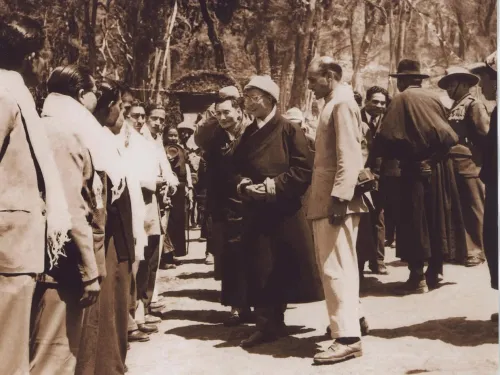
The Dalai Lama funded the initial land purchase and has visited the institute numerous times, most recently on March 9, 2017, to celebrate its 21st anniversary and to view a collection of 25 thangkas depicting the lives of all 14 Dalai Lamas. This project, which took nearly 15 years to complete, began with Norbulingka’s first painting master, Tenba Chophel. During his 2017 visit, the institute's founders, Kasur Kalsang Yeshi and Kim Yeshi, along with senior staff, paid respects to His Holiness and offered prayers for his longevity.
After the Dalai Lama's escape to India following the 1959 failed uprising against Chinese control, he has emphasized the importance of protecting Tibetan culture. Norbulingka is committed to preserving authentic traditions through sustainable means, offering thangka paintings, metal Buddhist deities—which followers believe come to life when consecrated by lamas through rituals—home furnishings, embroidered brocade tapestries, and traditional clothing, weaving a cohesive culture.
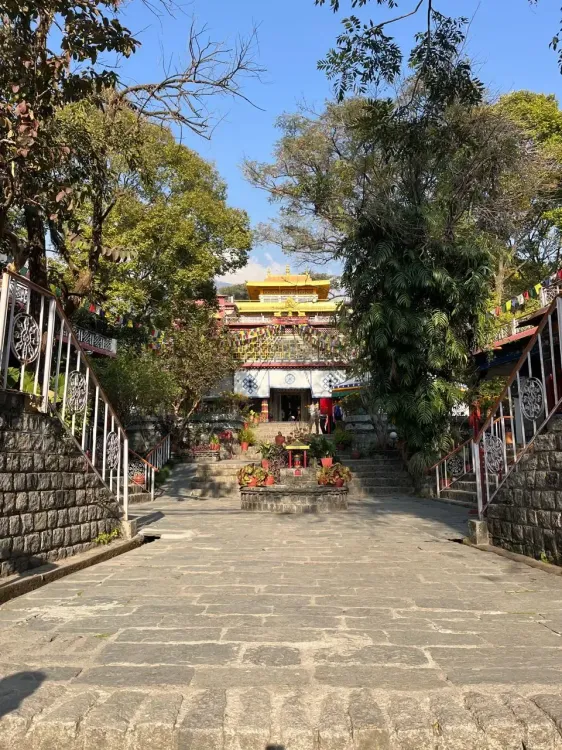
Situated in Sidhpur, Kangra district of Himachal Pradesh, the institute offers a street adorned with prayer flags and bowls of hot thukpa and delicate dumplings. Visiting the Norbulingka Institute provides a closer connection to the historical and cultural heritage harmoniously preserved with nature.
According to Tsering Phuntsok, the Managing Director, the institute plays a vital role in promoting Tibetan culture worldwide. For refugees, it serves as a means to earn a livelihood after completing courses that may last up to six years, in addition to being a spiritual journey and a commitment to preserving cultural traditions.
The institute supports nearly 300 craftspeople, predominantly middle-aged, with some choosing to wear the traditional chuba, funded through fundraising and self-sustaining efforts.
Phuntsok elaborated that each thangka, showcasing deities, mandalas, and Buddhist teachings in vibrant colors, consists of hand-stitched brocades arranged in patterns on pure silk fabric.
Elaborate thangkas can reach up to six feet tall and require a minimum of six months of meticulous work involving the steady hands of skilled artisans. Typically, the institute welcomes about 9,000 visitors monthly, including a significant number of international tourists, with a nominal entry fee of Rs 50. Workshops are closed on Sundays.
Phuntsok pointed out that the lack of interest in Tibetan arts among young people stems from the fact that many born in India find job opportunities in urban areas after completing their education.
“Since most of our texts are in Tibetan, many young individuals cannot read them and opt for skills outside traditional arts,” he noted.
Thangka paintings, which serve as a medium for spiritual practice and are intended to inspire meditation and enlightenment, are in high demand across Southeast Asian countries such as Thailand, Myanmar, Cambodia, Vietnam, and Mongolia.
At Norbulingka, Ngodup Tsering, a master wood painter, learned the art from his father and grandfather. Continuing the family legacy, he has trained students for three decades.
The decorative art featuring auspicious symbols attracts students mainly from the Indian Himalayan states. “Now we use a syringe to apply a mixture of paint and carpenter’s glue, which requires an extremely steady hand, a skill that takes months to master,” Tsering explained.
Tenzin Kunga is practicing woodcarving, a craft that dates back to the seventh century, and is evident in the crossbeams of houses and door and window frames. After completing a three-year course, Kunga, 23, is now employed at Norbulingka.
For those interested in learning wood painting and carving, Norbulingka offers workshops that range from one day to several months, tailored to the time and interests of individuals and groups.
(Vishal Gulati can be contacted at vishal.g@ians.in)
Point of View
It is crucial to recognize the importance of preserving cultural heritage, particularly in the face of modern challenges. The Norbulingka Institute stands as a testament to Tibetan resilience and artistry, yet it also highlights a growing disconnect between tradition and the aspirations of younger generations. Supporting such institutions is vital to ensuring that these rich traditions continue to thrive.
NationPress
28 Sept 2026
Frequently Asked Questions
What is the Norbulingka Institute?
The Norbulingka Institute is a center dedicated to preserving Tibetan Buddhist culture through arts and crafts education, located in Dharamsala, Himachal Pradesh.
Who founded the Norbulingka Institute?
The institute was inaugurated by the Dalai Lama in 1995 as a sanctuary for Tibetan arts.
What types of crafts are taught at Norbulingka?
Norbulingka offers training in thangka painting, wood carving, metal sculpture, and other traditional Tibetan crafts.
Why are young Tibetans leaving traditional arts?
Many young Tibetans pursue job opportunities in urban areas after education, finding traditional arts less appealing compared to modern career paths.
How can one support Tibetan culture?
Supporting institutions like Norbulingka through visits, donations, and purchasing handmade crafts helps preserve Tibetan culture.