Independent Lawmaker Criticizes BNP for Party-Linked Appointments
Synopsis
Rumeen Farhana, an independent Bangladeshi lawmaker, has publicly denounced the BNP government for its appointments of party-affiliated individuals to prominent positions, raising significant concerns about the implications for governance and women's representation in leadership roles.
Key Takeaways
Criticism of BNP: Rumeen Farhana challenges the BNP government's appointments of party-linked individuals.
Women in Politics: Raises concerns about the declining role of women in decision-making.
Central Bank Appointments: Calls for qualified individuals in key financial roles.
Political Autonomy: Questions the independence of the President's office.
Demand for Inclusivity: Advocates for a more inclusive political landscape in Bangladesh.
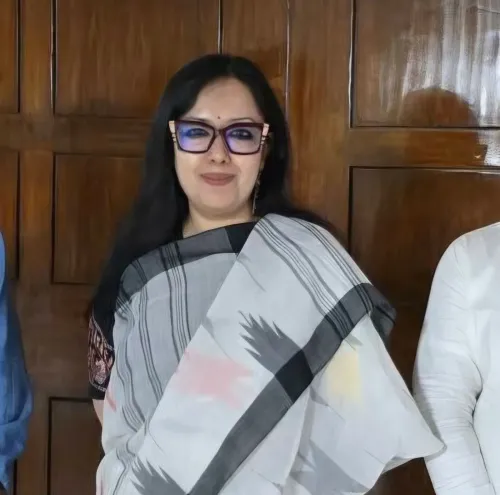
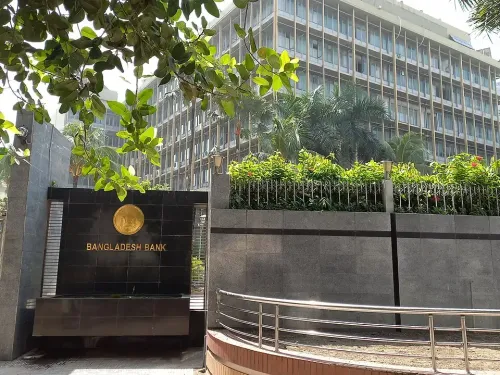
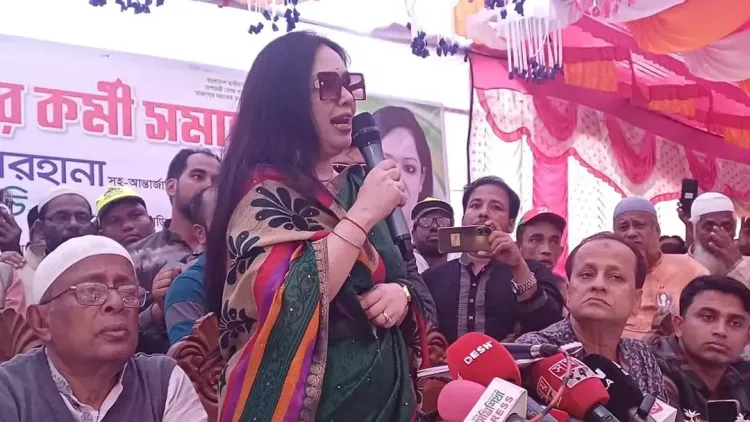
Dhaka, April 11 (NationPress) Rumeen Farhana, an independent lawmaker from Bangladesh, has criticized the ruling Bangladesh Nationalist Party (BNP) government for appointing individuals linked to the party to significant roles, including the Governor of Bangladesh Bank and Vice Chancellors at various public universities, as reported by local media this week.
During a parliamentary session, Farhana stated, “In every nation, the Central Bank serves as the regulatory body for financial institutions and functions as the government's bank. Observing other South Asian nations, one notices that highly qualified professionals with PhDs from prestigious institutions such as Princeton are appointed to Central Banks. In stark contrast, the new appointee as Bangladesh Bank Governor is a former member of BNP's election committee and the Managing Director of a sweater manufacturing unit.”
“This troubling trend is also seen in the appointments of Vice Chancellors at universities, where individuals with party affiliations and pro-VCs have been chosen. While political engagement is not inherently wrong, it is disheartening that positions are awarded based solely on party loyalty,” the Daily Star of Bangladesh quoted Farhana.
A former BNP member, Farhana ran as an independent candidate in the national elections held on February 12 from the Brahmanbaria-2 constituency after the party assigned the seat to an allied partner.
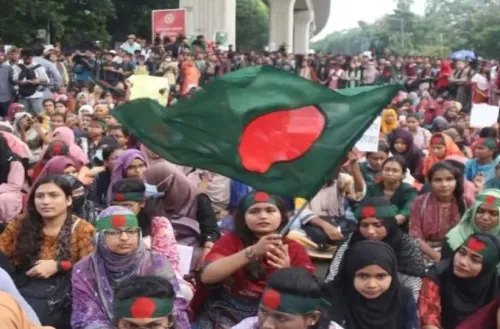
She went on to assert that the protests in July 2024 aimed to create a more inclusive Bangladesh, while expressing concern over the diminishing role of women in key decision-making arenas.
“Women led the charge in this movement. We witnessed a surge of young, fresh faces. Yet, within a year, those women seem to have vanished. Why is that?” the lawmaker queried.
“Women are crucial at the forefront of protests; they act as barriers against police tear gas and batons, and provide support during chaotic times. However, once the situation stabilizes, women are often objectified—criticized for their attire, appearance, speech, and laughter,” she added.
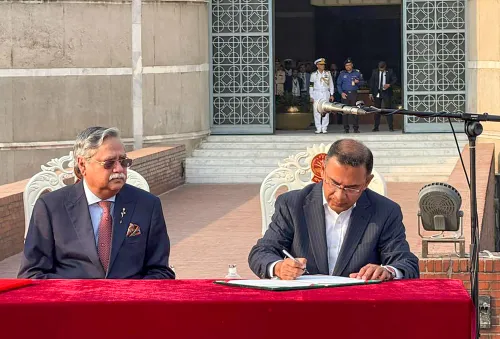
Expressing concerns regarding the power dynamics between the President and the Prime Minister of Bangladesh, Farhana remarked, “We had anticipated that the President would deliver a speech in his own words rather than recite one endorsed by the cabinet. Yet again, we witnessed the President being forced to read a cabinet-approved message.”
“If we cannot grant the President even this minor degree of autonomy, then what sort of balance are we truly discussing?” she questioned.
Point of View
Rumeen Farhana's statements reflect a growing concern among politicians and citizens alike regarding the integrity of appointments within the government. Her advocacy for women's roles in decision-making positions further underscores the need for an inclusive political landscape in Bangladesh.
NationPress
19 Sept 2026
Frequently Asked Questions
Who is Rumeen Farhana?
Rumeen Farhana is an independent lawmaker in Bangladesh known for her critical stance against the ruling BNP government, particularly concerning party-linked appointments.
What positions has the BNP government been criticized for filling with party-linked individuals?
The BNP government has faced criticism for appointing party-affiliated individuals to key roles, including the Governor of Bangladesh Bank and Vice Chancellors of public universities.
What are Farhana's views on women's roles in politics?
Farhana emphasizes the importance of women's participation in political movements and decision-making processes, expressing concern over their declining presence in leadership roles.
What was the context of Farhana's parliamentary speech?
Farhana's speech occurred during a parliamentary session where she voiced her disapproval of the BNP's appointments and called for a more inclusive and balanced political environment.
How did Farhana enter politics?
Farhana, a former member of the BNP, ran as an independent candidate in the national elections after her party allocated her seat to an alliance partner.