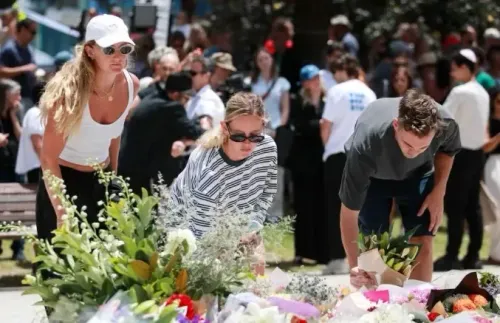
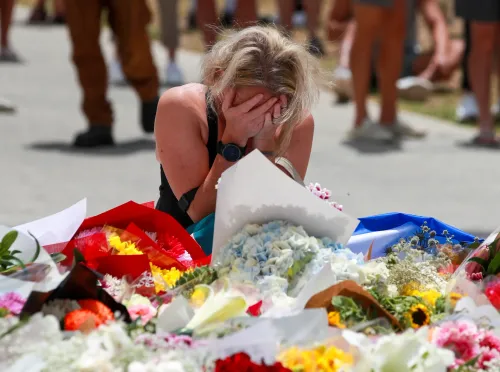
Bondi Beach terror attack inquiry opens first public hearings in Sydney
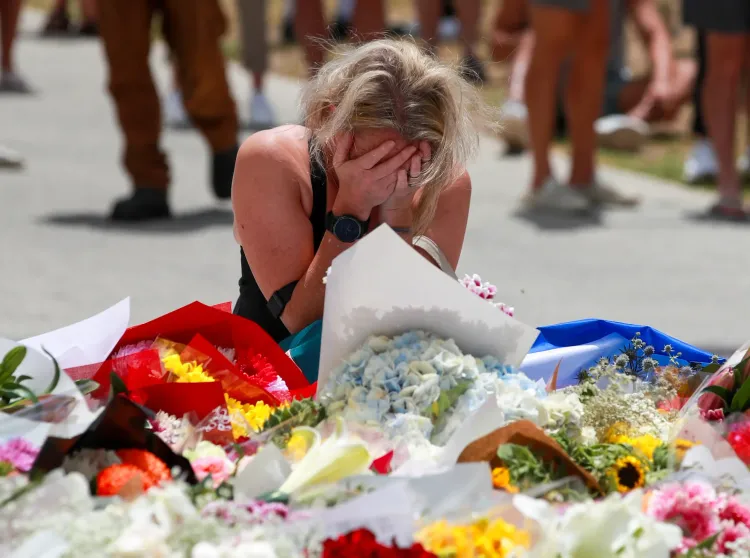
Synopsis
Australia's Royal Commission on Antisemitism has opened its first public hearings in Sydney, less than five months after 15 people were killed in a terror attack targeting a Hanukkah event at Bondi Beach. The commission's interim report has already made 14 recommendations — five kept secret for national security — including a national gun buyback scheme, signalling the inquiry's sweeping policy ambitions.
Key Takeaways
The Royal Commission on Antisemitism and Social Cohesion opened its first public hearing block on 5 May 2025 in Sydney .
Commissioner Virginia Bell , a former High Court judge, is presiding over the hearings, which run until Friday.
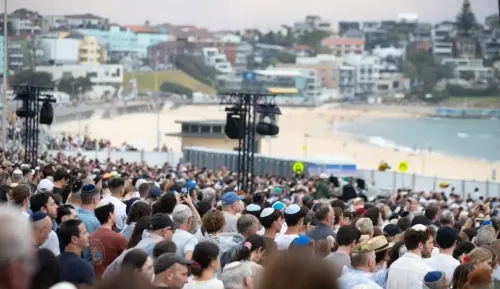
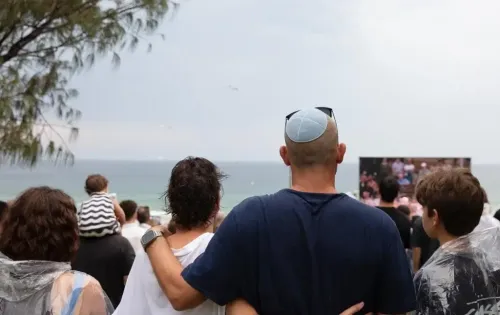
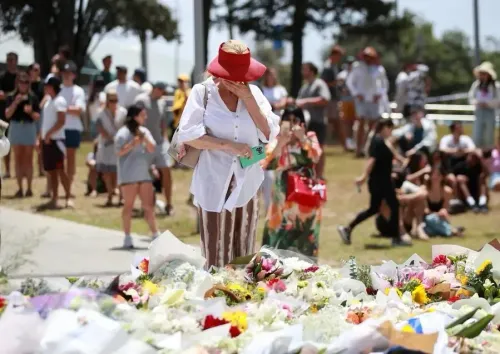
The Bondi Beach attack on 14 December 2024 killed 15 people at a Hanukkah event; alleged gunman Naveed Akram faces murder and terrorism charges.
The commission's interim report made 14 recommendations , including a national gun buyback scheme ; five recommendations were withheld for national security reasons.
The final report is due by 14 December 2026 , the first anniversary of the attack.
A landmark Royal Commission on Antisemitism and Social Cohesion established in the wake of the fatal terror attack at Sydney's Bondi Beach began its first block of public hearings on Monday, 5 May 2025, in Sydney. The hearings, which will run until Friday, mark a significant step in Australia's formal reckoning with antisemitism following one of the country's deadliest mass shootings.
What the First Hearings Will Examine
Commissioner Virginia Bell, a former High Court judge, is presiding over the opening block of hearings. According to reports, this phase will examine the nature and prevalence of antisemitism in Australia and hear directly from witnesses about their lived experience of the phenomenon. The proceedings are expected to draw testimony from community leaders, academics, and survivors of hate crimes.
What Comes Next in the Commission's Schedule
The commission's work is structured across three hearing blocks. The circumstances surrounding the Bondi Beach attack itself will be probed during the second hearing block, slated for the end of May 2025. A third block is set to explore radicalisation potentially generated through online hate and antisemitic content on social media — a growing concern for law enforcement agencies globally. The commission is expected to hand down its final report by 14 December 2026, the first anniversary of the attack.
Background: The Bondi Beach Attack
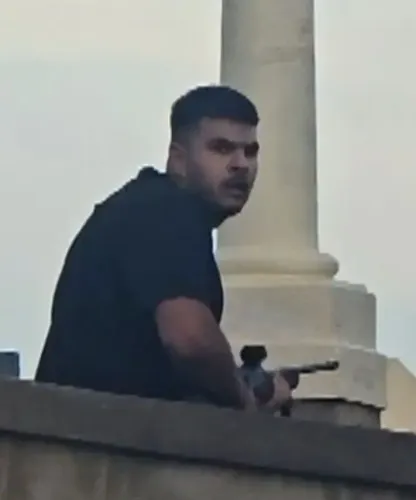
The inquiry was established by Prime Minister Anthony Albanese in January 2025 after 15 people were killed in a mass shooting that targeted a Hanukkah event at Bondi Beach on 14 December 2024. Alleged gunman Naveed Akram has been charged with murder and terrorism offences over the attack, which authorities claim was motivated by Islamic State ideology. His father and alleged co-perpetrator, Sajid Akram, was shot dead at the scene. Notably, the royal commission will not examine the intention or motivation behind the attack in order to avoid influencing ongoing criminal proceedings against Naveed Akram.
Interim Report and Key Recommendations
Commissioner Bell last week handed down the commission's interim report, which made 14 recommendations — five of which were withheld from public release for national security reasons. Among the publicly released recommendations, the report called on federal, state, and territory governments to prioritise implementing consistent firearms laws and a gun buyback scheme to remove surplus and illegal weapons from the community. This comes amid longstanding debate in Australia about the adequacy of gun control measures introduced after the 1996 Port Arthur massacre, which prompted the country's landmark firearms overhaul.
Broader Significance
The Bondi attack has prompted a national conversation about the rise of religiously motivated violence and online radicalisation in Australia. Community groups and civil society organisations have called for stronger protections for Jewish Australians, who reportedly experienced a sharp increase in antisemitic incidents in the months following the attack. The commission's findings are expected to shape federal policy on hate crime legislation, social media regulation, and community safety for years to come.
Point of View
The Bondi attack has forced Australia to confront an uncomfortable reality: decades of post-Port Arthur gun control complacency, combined with inadequate monitoring of online radicalisation, created the conditions for a domestic Islamist mass casualty event. The gun buyback recommendation is politically loaded in a country that has long prided itself on its 1996 reforms, and Prime Minister Albanese will face pressure from within his own coalition to act swiftly. The commission's refusal to probe motive — to protect criminal proceedings — is legally sound but leaves a public accountability gap that the final report must eventually fill.
NationPress
18 Sept 2026
Frequently Asked Questions
What is the Royal Commission on Antisemitism and Social Cohesion?
It is a landmark inquiry established by Prime Minister Anthony Albanese in January 2025 following the fatal Bondi Beach terror attack on 14 December 2024, which killed 15 people at a Hanukkah event. The commission examines antisemitism in Australia, the circumstances of the attack, and online radicalisation.
What happened in the Bondi Beach terror attack?
On 14 December 2024, alleged gunman Naveed Akram opened fire at a Hanukkah event at Bondi Beach in Sydney, killing 15 people. Authorities claim the attack was motivated by Islamic State ideology. Naveed Akram has been charged with murder and terrorism offences, while his father and alleged co-perpetrator Sajid Akram was shot dead at the scene.
What are the key recommendations from the commission's interim report?
The interim report made 14 recommendations, five of which were withheld for national security reasons. Among the public recommendations, the report called on federal, state, and territory governments to implement consistent firearms laws and a gun buyback scheme to remove surplus and illegal weapons from the community.
When will the Bondi attack circumstances be examined by the commission?
The circumstances surrounding the Bondi Beach attack will be examined during the second hearing block, slated for the end of May 2025. The first block, running until Friday, focuses on the nature and prevalence of antisemitism in Australia.
When will the Royal Commission hand down its final report?
The commission is expected to deliver its final report by 14 December 2026, the first anniversary of the Bondi Beach attack.