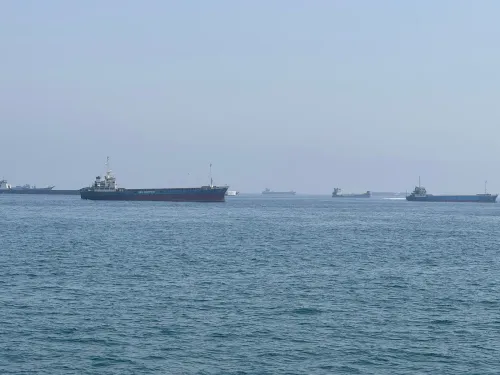
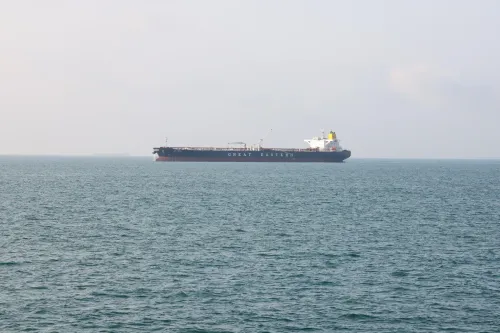
5 Indian nationals rescued from Strait of Hormuz after tanker struck by projectile
Synopsis
For the second time in weeks, Indian seafarers have been caught in a projectile attack on a commercial vessel near Oman — this time in the strategically vital Strait of Hormuz. All five were safely rescued, but with one Indian already killed in last month's MV Cape Dao attack, New Delhi faces mounting pressure to protect its large maritime workforce as the Arabian Sea corridor grows increasingly dangerous.
Key Takeaways
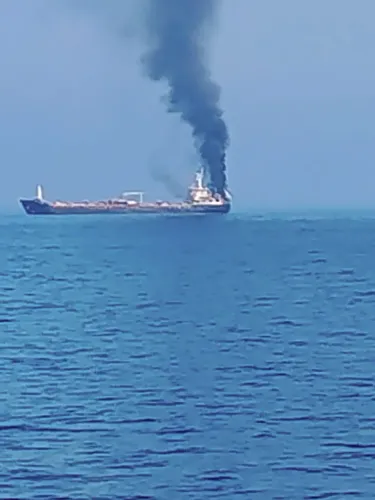
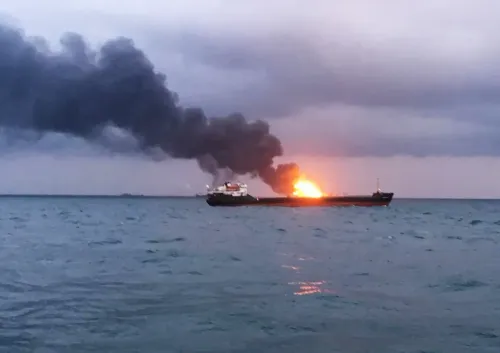
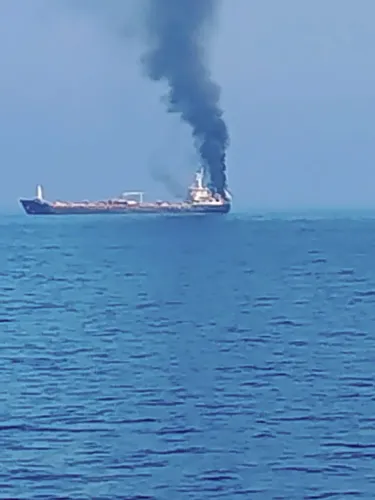
Five Indian nationals aboard the Kuwait-flagged tanker MT Kazimah III were rescued on 3 October 2026 after the vessel was struck by a projectile in the Strait of Hormuz .
The Embassy of India in Oman coordinated the rescue; all five crew members were shifted ashore safely with support from Omani authorities .
Last month, one Indian seafarer was killed and 19 others rescued following an attack on the MV Cape Dao off Oman's east coast on 23 September .
The MEA called the continuing attacks on commercial shipping 'deeply worrisome' and renewed calls for dialogue and de-escalation.
The Strait of Hormuz handles roughly 20% of global oil trade, making attacks there a major concern for global commerce and Indian maritime workers.
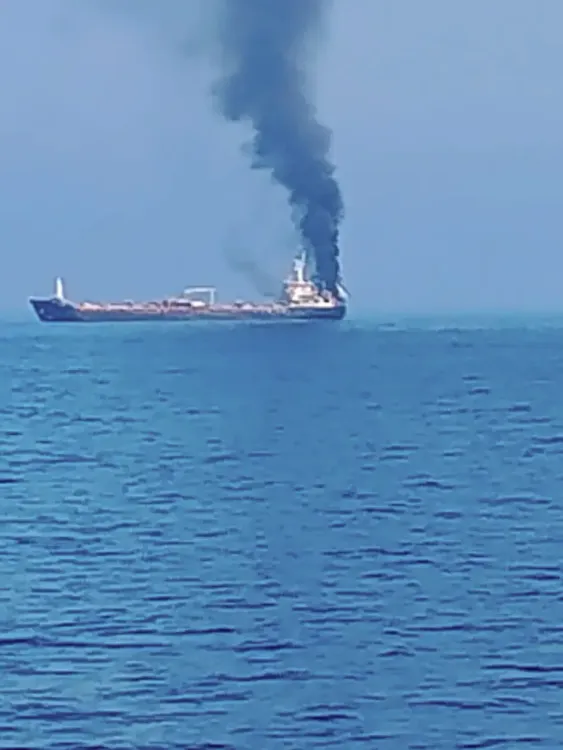
The Ministry of External Affairs (MEA) on Saturday, 3 October 2026, confirmed that five Indian nationals aboard the Kuwait-flagged tanker MT Kazimah III were safely rescued after the vessel was struck by a projectile in the Strait of Hormuz. All five seafarers have been brought ashore, according to official statements.
How the Rescue Unfolded
The Embassy of India in Oman said it coordinated the evacuation of the Indian crew members from the stricken tanker. 'Earlier today, the Mission coordinated rescue of five Indian nationals on board the Kuwait-flagged tanker MT Kazimah III, struck by a projectile in the Strait of Hormuz. All 5 Indian nationals have been shifted ashore safely. We thank the Omani authorities for their continued support and assistance,' the Embassy stated.
The MEA separately confirmed the rescue, saying: 'We remain committed to the safety, security and welfare of our seafarers abroad.'
A Worrying Pattern in the Region
This incident follows a near-identical attack last month, when one Indian seafarer was killed and 19 others were rescued after a strike on the commercial vessel MV Cape Dao off the east coast of Oman. The MEA had strongly condemned that attack on 23 September, expressing condolences to the family of the deceased and calling for the early repatriation of survivors.
Notably, this marks at least the second major attack on a commercial vessel with Indian crew in the region within a matter of weeks, underscoring the deepening threat to maritime security in the Arabian Sea corridor.
India's Diplomatic Position
The MEA described the continuing attacks on commercial shipping in the region as 'deeply worrisome.' In its statement, the ministry reiterated its call for restraint and diplomacy. 'We reiterate our call for dialogue and diplomacy to de-escalate tensions and enable the early return of peace to the region. The targeting of commercial shipping, seafarers and civilian infrastructure in the region must end, and free and unimpeded navigation and commerce through the international waterways in the region must be restored at the earliest,' the ministry said.
Strategic Significance of the Strait of Hormuz
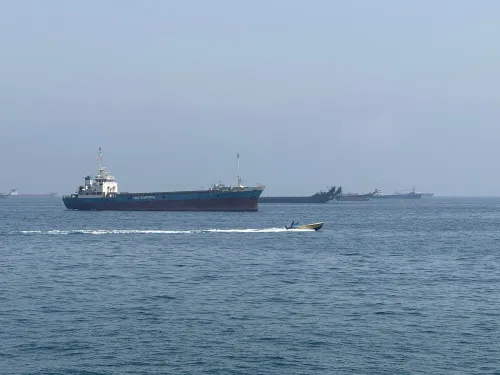
The Strait of Hormuz is one of the world's most critical maritime chokepoints, through which roughly 20% of global oil trade passes. Recurring attacks on vessels navigating these waters have raised alarms among shipping companies, insurers, and governments with large diaspora seafarer communities — India being among the most affected, with hundreds of thousands of Indian nationals employed in the global maritime industry.
With geopolitical tensions in the region showing no signs of imminent resolution, the safety of Indian seafarers operating in international waters is likely to remain a top diplomatic priority for New Delhi.
Point of View
Such as convoy protocols, real-time distress coordination, or bilateral security arrangements with Gulf states. India's maritime labour force is among the largest in the world, yet the policy architecture for their protection in active threat zones remains largely invisible. The Hormuz corridor is not an anomaly — it is a recurring flashpoint, and India's response must evolve from crisis management to risk prevention.
NationPress
3 Oct 2026
Frequently Asked Questions
What happened to the MT Kazimah III in the Strait of Hormuz?
The Kuwait-flagged tanker MT Kazimah III was struck by a projectile in the Strait of Hormuz on 3 October 2026. Five Indian nationals on board were evacuated and brought ashore safely, with the rescue coordinated by the Embassy of India in Oman and supported by Omani authorities.
Are all five Indian nationals safe after the Hormuz attack?
Yes, all five Indian nationals have been shifted ashore safely, according to the MEA and the Indian Embassy in Oman. No casualties among the Indian crew were reported in this incident.
Was this the first attack on a vessel with Indian crew in the region?
No. Last month, an attack on the commercial vessel MV Cape Dao off Oman's east coast killed one Indian seafarer and led to the rescue of 19 others. The MEA condemned that attack on 23 September. The MT Kazimah III incident is at least the second such attack involving Indian crew in recent weeks.
What is India's official stance on attacks targeting commercial shipping?
The MEA has described continuing attacks on commercial shipping as 'deeply worrisome' and called for dialogue and diplomacy to de-escalate regional tensions. It has demanded an end to the targeting of commercial vessels, seafarers, and civilian infrastructure, and the restoration of free navigation through international waterways.
Why is the Strait of Hormuz significant for global trade?
The Strait of Hormuz is one of the world's most critical maritime chokepoints, through which approximately 20% of global oil trade passes. Attacks on vessels in this corridor directly threaten international energy supplies and the safety of the large number of Indian nationals employed in the global merchant shipping industry.