Zalmay Khalilzad urges Pakistan lawmakers to demand transparency on Afghanistan talks
Synopsis
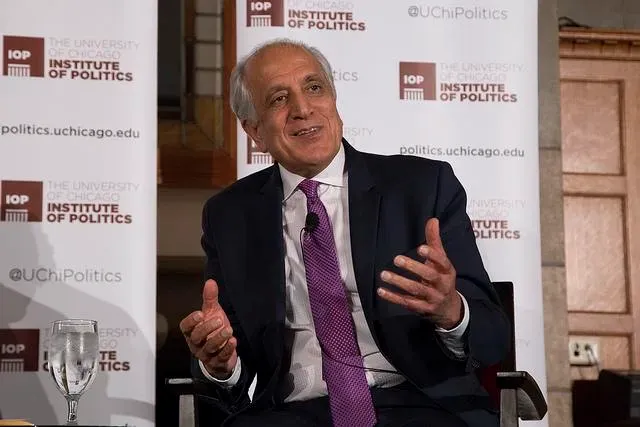
Former US envoy Zalmay Khalilzad has publicly called Pakistan's bluff — asking why, if Afghanistan has offered written guarantees and cooperated through bilateral security mechanisms, Islamabad still insists diplomacy has failed. His intervention puts pressure squarely on Pakistan's parliament to demand answers its government has not volunteered.
Key Takeaways
Zalmay Khalilzad , former US Ambassador to Afghanistan , on 22 June publicly questioned Pakistan's claim that diplomatic engagement with Afghanistan had failed.
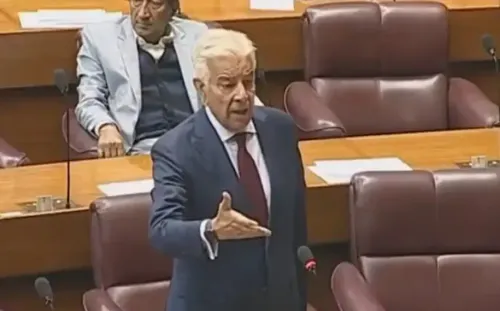
Pakistan Defence Minister Khawaja Asif had declared talks failed because the Taliban did not provide sufficient security assurances — but did not specify what those assurances were.
Khalilzad urged Pakistan's lawmakers to press their government for specifics and to push for a mutual non-interference agreement with Kabul .
According to officials cited by Khalilzad, Afghanistan has offered written guarantees, cooperated through the Joint Coordination Committee (JCC) , and issued a religious decree banning attacks on Pakistani soil.
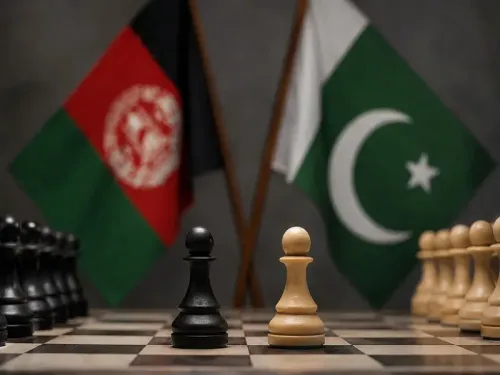
Pakistan accuses Afghanistan of sheltering the TTP ; Taliban counter-accuses Pakistan of supporting ISIS-K .
Former US Ambassador to Afghanistan, Zalmay Khalilzad, has publicly challenged Pakistan's account of failed diplomatic efforts with Afghanistan, urging lawmakers in Islamabad to press their government for specifics on what assurances it sought from Kabul and why the Taliban's response was deemed inadequate. His remarks, shared on 22 June via a post on X, come days after Pakistan Defence Minister Khawaja Asif declared that diplomatic engagement with Afghanistan had broken down.
What Khalilzad Said
Khalilzad noted that during a recent session of Pakistan's National Assembly, several lawmakers raised concerns about Islamabad's growing reliance on force rather than diplomacy to resolve its disputes with Afghanistan. He argued that those lawmakers missed a critical opportunity to demand clarity. In his post on X, Khalilzad wrote, 'Representatives who rightly support diplomacy could have asked what specific commitments and assurances Pakistan has demanded from Afghanistan and what Afghanistan's apparently unsatisfactory response has been. Unfortunately, this opportunity to clarify the matter was missed.'
He also called on Pakistani representatives to actively push their government toward a negotiated agreement — one under which neither country would permit groups or individuals to use its territory to threaten the other's security.
Pakistan's Position and the Diplomatic Breakdown
Defence Minister Khawaja Asif had stated that talks with Afghanistan had failed because the Taliban did not offer sufficient assurances or commitments regarding Pakistan's security concerns. However, Khalilzad pointed out that Asif did not specify what those commitments were, or explain why Kabul's response fell short.
This comes amid deeply strained ties between the two neighbours. Pakistan has accused Afghanistan of providing safe havens to the Tehreek-e-Taliban Pakistan (TTP), which has carried out attacks inside Pakistani territory. The Taliban, in turn, has accused Pakistan of sheltering and supporting the Islamic State Khorasan Province (ISIS-K) and other groups hostile to Afghanistan.
Afghanistan's Stated Position
According to officials cited by Khalilzad, Afghanistan has expressed readiness to provide written guarantees, provided Pakistan offers similar commitments in return. Afghan officials also indicated that the Taliban has cooperated on security matters through bilateral mechanisms, including the Joint Coordination Committee (JCC), and has expressed openness to involving third-party verification mechanisms.
Among the steps Afghan authorities reportedly cited: a religious decree issued by the Taliban banning Afghan nationals from participating in attacks on Pakistani soil; the relocation of Pakistani refugees who had settled near the Durand Line during Afghanistan's previous government; and participation in official and semi-official dialogues mediated by third countries. Afghan authorities also claimed to have taken verifiable action against individuals and groups found violating Afghanistan's stated policy of not allowing its territory to be used against other nations.
Khalilzad's Challenge to Islamabad
Khalilzad framed his intervention as a direct challenge to Pakistan's narrative. 'If the above points are accurately stated, it appears that Afghanistan is prepared for a serious solution. So why does Pakistan claim that diplomacy has failed? What are Islamabad's specific problems with Afghanistan's proposals? The people and parliament of Pakistan have a right to know the answers to these questions,' he stated.
Notably, Khalilzad — who served as the US Special Representative for Afghanistan Reconciliation and was a key architect of the 2020 Doha Agreement — carries significant credibility on Afghanistan-Pakistan dynamics. His public intervention signals that international observers are closely watching whether Islamabad's diplomatic impasse with Kabul is a genuine breakdown or a matter of undisclosed terms.
What Comes Next
The core question now is whether Pakistan's parliament will take up Khalilzad's call for greater transparency, and whether the two governments can return to a structured dialogue framework. With the TTP threat intensifying inside Pakistan and cross-border tensions showing no sign of easing, the stakes of continued diplomatic stalemate remain high for both countries — and for regional stability.
Point of View
JCC cooperation, a religious decree against cross-border attacks — and then asking why Pakistan still claims diplomacy has failed, he is effectively accusing Islamabad of opacity rather than genuine diplomatic effort. What is missing from the public record is Pakistan's specific ask, and that gap is telling. If Islamabad's demands are politically undeliverable for the Taliban — such as formal recognition of the Durand Line — no amount of parliamentary pressure will bridge the divide. The harder question mainstream coverage is not asking: is Pakistan's 'diplomatic failure' framing a pretext for continued military options, and does Khalilzad's public push change the calculus in Islamabad at all?
NationPress
22 Jun 2026
Frequently Asked Questions
Why did Zalmay Khalilzad criticise Pakistan over Afghanistan talks?
Khalilzad criticised Pakistan because Defence Minister Khawaja Asif declared diplomatic engagement with Afghanistan had failed without specifying what commitments Pakistan had sought or why Kabul's response was inadequate. Khalilzad argued Pakistani lawmakers missed an opportunity to demand that transparency during a recent National Assembly session.
What did Pakistan's Defence Minister say about Afghanistan talks?
Defence Minister Khawaja Asif stated that diplomatic engagement with Afghanistan had failed because the Taliban did not provide sufficient assurances and commitments regarding Pakistan's security concerns. He did not publicly detail what specific commitments Pakistan had demanded.
What steps has Afghanistan reportedly taken to address Pakistan's concerns?
According to officials cited by Khalilzad, Afghanistan has offered written security guarantees, cooperated through the Joint Coordination Committee (JCC), issued a religious decree banning Afghan nationals from attacking Pakistan, relocated Pakistani refugees from near the Durand Line, and taken verifiable action against groups violating its non-interference policy.
What is the core dispute between Pakistan and Afghanistan?
Pakistan accuses Afghanistan of providing safe havens to the Tehreek-e-Taliban Pakistan (TTP), which has conducted attacks inside Pakistan. Afghanistan's Taliban government, in turn, accuses Pakistan of sheltering and supporting the Islamic State Khorasan Province (ISIS-K) and other groups hostile to Afghanistan.
What is Khalilzad calling on Pakistani lawmakers to do?
Khalilzad is urging Pakistani lawmakers who support diplomacy to push their government to negotiate a mutual non-interference agreement with Afghanistan — one under which neither country would allow groups or individuals to use its territory to threaten the other's security.