Admiral Mullen warns USS Lincoln's 268-day deployment is breaking readiness
Synopsis
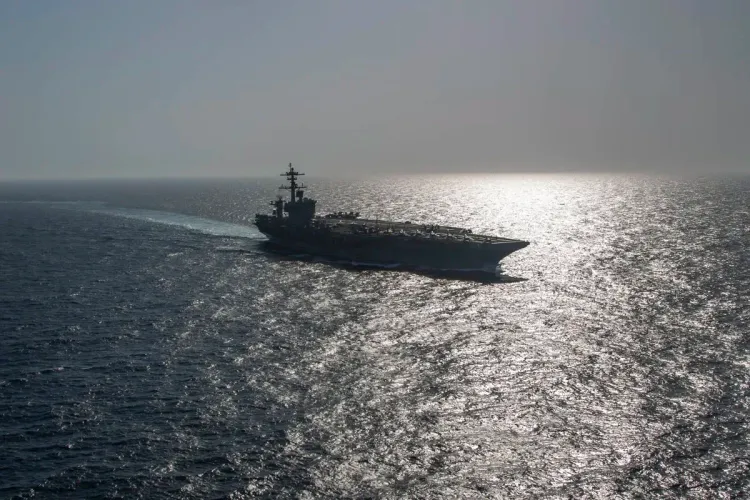
With 5,000 sailors going more than 200 consecutive days without a port call and no safe harbour in reach due to the Iran war, the USS Abraham Lincoln has become a live stress test for US Navy readiness — and retired Admiral Mike Mullen is sounding the alarm. His call for expanding the carrier fleet beyond 11 ships is the sharpest public challenge yet to the pace of American naval deployments.
Key Takeaways
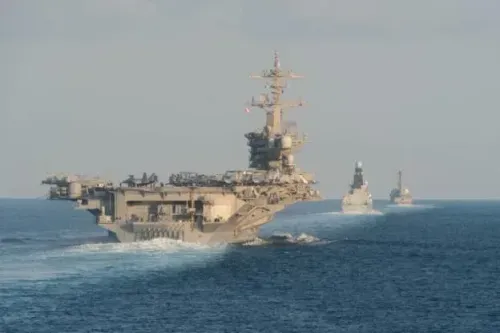
Retired Admiral Mike Mullen warned on 17 August that year-long deployments are 'cashing in future readiness significantly.' The USS Abraham Lincoln has been at sea for 268 days , with its 5,000 sailors and Marines going more than 200 consecutive days without a port call.
Regular port stops in Bahrain and the UAE were unavailable due to Iran war threats; Diego Garcia was also targeted by Iran .
President Donald Trump dismissed concerns about the deployment's length, saying it was 'not nearly long enough.' The USS George Washington is expected to relieve the Lincoln; CENTCOM Chief Admiral Brad Cooper told its crew they would be heading home.
Mullen called for the US Navy to expand its carrier fleet beyond the current 11 vessels to sustain the present deployment tempo.
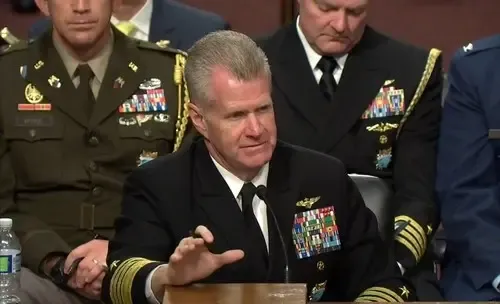
Retired Admiral Mike Mullen, former Chairman of the US Joint Chiefs of Staff, has warned that extended military deployments are degrading personnel readiness and eroding the long-term operational capacity of the US Navy, citing the gruelling conditions aboard the USS Abraham Lincoln during the ongoing Iran war. Speaking on Sunday, 17 August, Mullen described year-long deployments as unsustainable for ships, sailors, and their families.
The Scale of the Deployment
The USS Abraham Lincoln has spent 268 days at sea, with its roughly 5,000 sailors and Marines going more than 200 consecutive days without a port call. Reports have described widespread exhaustion, falling morale, and mounting mental health concerns aboard the carrier. The ship has been central to US combat operations in the Middle East and the blockade of the Strait of Hormuz.
What Mullen Said
'You wear yourself out. You actually start to cash in future readiness significantly,' Mullen told ABC News. He described such deployments as 'significant' and 'tough', noting that carriers would ordinarily make port stops to give crews rest and allow for essential maintenance. He added that the morale boost from even a confirmed relief — without a fixed date — was tangible: 'I can tell you, the uplift in morale when you have that, even if they don't have an exact date, you know you've got a relief.'
Why a Port Visit Was Not Possible
Mullen explained that the usual US Navy port facilities in Bahrain and the United Arab Emirates (UAE) were under threat during the Iran war, eliminating routine rest stops. Iran had also targeted Diego Garcia, further narrowing the options for a secure resupply and rest location. 'So, there just isn't an easy place to go in terms of a port visit,' he said.
CENTCOM Visit and Crew Performance
Mullen said he had spoken with US Central Command (CENTCOM) Chief Admiral Brad Cooper, who visited the Lincoln. Cooper indicated that several problems had surfaced early in the deployment and had since been addressed, though Mullen cautioned that morale issues still warranted close monitoring. Despite the strain, Mullen praised the crew's commitment: 'These crews will do absolutely everything to make sure the mission goes well. And they clearly have done that on Lincoln.'
Relief Ship and Call for a Larger Fleet
The USS George Washington is expected to relieve the Lincoln. Cooper reportedly told the George Washington's crew they would be returning home, though no precise date was announced. Separately, President Donald Trump dismissed concerns that the deployment had gone on too long — when asked about its duration, Mullen quoted Trump as saying 'No, no, no,' before adding 'Not nearly long enough.' Mullen used the episode to press a broader argument: the US Navy needs to expand its carrier fleet beyond its current 11 vessels if it intends to sustain deployments at this pace. 'We actually need more, I think, in the current environment if we're going to deploy them like this,' he said.
Point of View
The UAE, and Diego Garcia all compromised as rest stops, the Iran war has exposed how thin the Navy's logistics margin truly is. Trump's dismissal of readiness concerns — framed as a show of resolve — risks masking a genuine capability erosion that will outlast this deployment. The call for more carriers sounds decisive, but fleet expansion takes years; the readiness cost is being paid right now.
NationPress
17 Aug 2026
Frequently Asked Questions
Why is Admiral Mullen concerned about the USS Abraham Lincoln deployment?
Admiral Mullen warned that the Lincoln's extended deployment — now at 268 days at sea — is wearing down personnel and eroding future naval readiness. He said deployments lasting a year place severe strain on ships, service members, and their families, and that the Navy is 'cashing in future readiness significantly.'
How long have the Lincoln's crew gone without a port call?
The roughly 5,000 sailors and Marines aboard the USS Abraham Lincoln have gone more than 200 consecutive days without a port call, according to reports. Usual port facilities in Bahrain and the UAE were unavailable due to threats during the Iran war, and Iran also targeted Diego Garcia.
What did President Trump say about the Lincoln's deployment?
President Donald Trump dismissed concerns that the deployment had gone on too long. When asked about its duration, he reportedly said 'No, no, no,' and added 'Not nearly long enough,' according to Mullen.
Which ship will relieve the USS Abraham Lincoln?
The USS George Washington is expected to relieve the Lincoln. CENTCOM Chief Admiral Brad Cooper told the George Washington's crew they would be returning home, though no precise date was announced.
What did Mullen recommend to prevent similar readiness problems?
Mullen called for the US Navy to expand its carrier fleet beyond the current 11 vessels if it plans to maintain deployments at their present pace. He said, 'We actually need more, I think, in the current environment if we're going to deploy them like this.'