India lays foundation for 51 homes in Badulla under 60,000-house Sri Lanka project
Synopsis
India has broken ground on 51 new homes in Sri Lanka's Badulla district — a quiet but telling signal of how New Delhi uses bricks-and-mortar diplomacy. With 46,000 units already complete and 10,000 under construction, the 60,000-home Indian Housing Project is reshaping the lives of Sri Lanka's long-marginalised Indian-Origin Tamil plantation community, one title deed at a time.
Key Takeaways
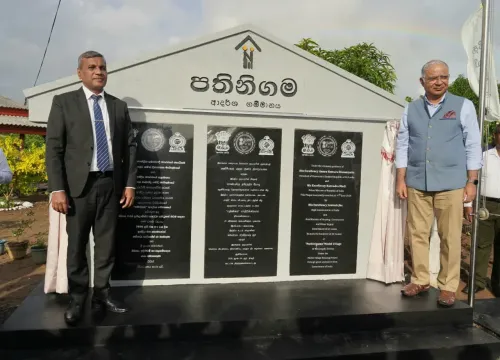
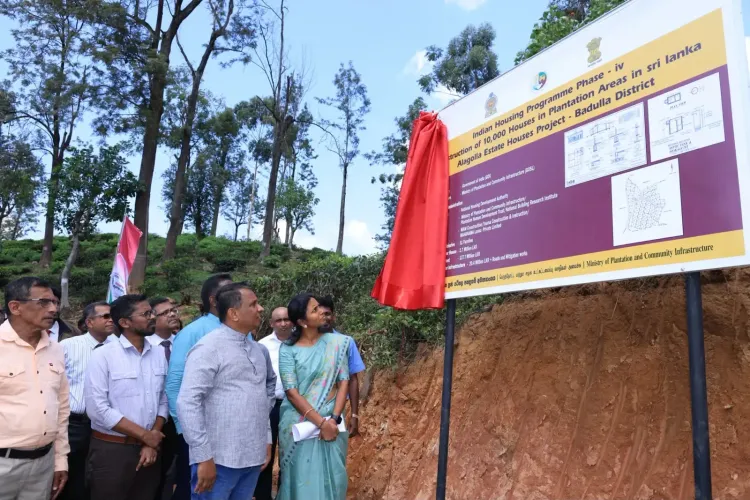
India's Assistant High Commissioner V S Saranya laid the foundation stone for 51 houses at Alagolla Estate, Badulla district on 29 September 2026 .
The homes are part of Phase IV of the Indian Housing Project (IHP) , which is constructing 10,000 houses in Sri Lanka's plantation regions.
India's total IHP commitment stands at 60,000 homes across Sri Lanka; 46,000 in the North and East and 4,000 in plantation areas are already complete.
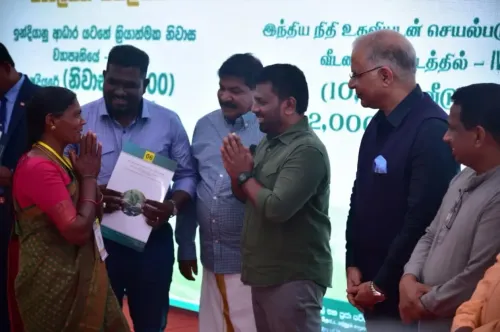
On 28 August 2026 , Sri Lankan President Anura Kumara Dissanayake handed over title deeds to 165 families under Phase III.
Phases III and IV together cover 14,000 homes in plantation regions, targeting the Indian-Origin Tamil community .
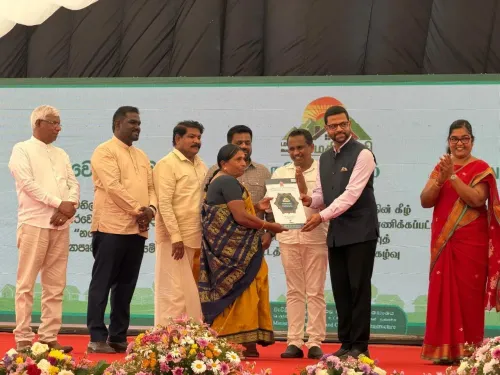
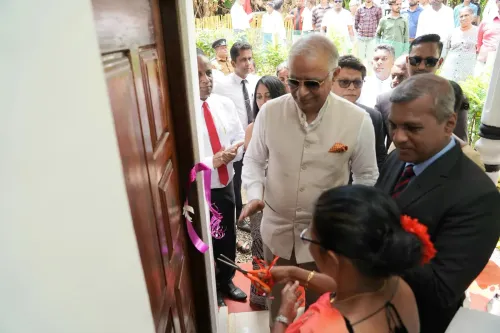
India's Assistant High Commissioner V S Saranya joined Sri Lanka's Plantation and Community Infrastructure Minister K V Samantha Viddyarathna and Deputy Minister Pradeep Sundaralingam on Tuesday, 29 September 2026, to lay the foundation stone for 51 houses at Alagolla Estate in the Badulla district. The ceremony marks a fresh milestone in Phase IV of the Indian Housing Project (IHP), one of India's largest overseas development commitments, which targets 60,000 homes across Sri Lanka for the country's plantation and Tamil-origin communities.
What Phase IV Entails
The 51 houses at Alagolla Estate are part of a broader Phase IV push to construct 10,000 homes in Sri Lanka's plantation regions. The Indian High Commission confirmed the development through a post on X, describing the initiative as 'empowering communities through sustainable housing.' Phase IV follows directly on the momentum of Phase III, reinforcing a multi-phase construction timeline that has been unfolding over several years.
Progress Across All Phases
According to the High Commission, 46,000 houses in Sri Lanka's North and East have already been completed, along with 4,000 in plantation areas. Construction of a further 10,000 is currently underway in the plantation belt, bringing the combined Phases III and IV plantation tally to 14,000 units. Across all phases and regions, the project's total commitment stands at 60,000 homes, cementing its status as among the largest people-centric development programmes India has undertaken abroad.
Recent Handovers Under Phase III
On 28 August 2026, Sri Lankan President Anura Kumara Dissanayake, accompanied by Acting High Commissioner of India Maitrey Kulkarni and several cabinet ministers, handed over title deeds to 165 beneficiary families covered under Phase III. The event also marked the inauguration of 'Navodayapuram', a 50-unit housing settlement built by the Sri Lankan government for disaster-affected families in Poonagala.
Broader Strategic Context
The Indian Housing Project is widely regarded as a cornerstone of New Delhi's people-first diplomacy with Colombo, targeting the historically marginalised Indian-Origin Tamil community employed in Sri Lanka's tea plantation sector. This community has long faced inadequate housing and land tenure insecurity. The IHP, by linking construction milestones to formal title deeds, addresses both shelter needs and legal empowerment. The Badulla ceremony comes amid renewed focus on the bilateral relationship following President Dissanayake's assumption of office and his government's emphasis on social welfare programmes.
What Comes Next
With Phase IV construction now formally underway in Badulla, attention will shift to the pace of completions across other plantation districts. The High Commission has indicated that the 14,000-home plantation phase — spanning Phases III and IV — remains central to India's development partnership with Sri Lanka, and further milestones are expected in the months ahead.
Point of View
000-home commitment in Sri Lanka is less a charity programme and more a calibrated instrument of neighbourhood diplomacy — one that builds goodwill within a community that has historically felt abandoned by both Colombo and New Delhi. The inclusion of formal title deeds is particularly significant: it converts a welfare gesture into a rights-based intervention. What mainstream coverage underplays is that housing diplomacy of this scale, executed over multiple phases and governments on both sides, is harder to reverse than any bilateral statement — and that makes it India's most durable soft-power investment in the island nation.
NationPress
29 Sept 2026
Frequently Asked Questions
What is the Indian Housing Project in Sri Lanka?
The Indian Housing Project (IHP) is India's commitment to build 60,000 houses across Sri Lanka, primarily for the plantation Tamil community and families in the North and East. It is considered one of India's largest overseas development initiatives, with 50,000 units already completed and 10,000 currently under construction.
What happened at Alagolla Estate in Badulla on 29 September 2026?
India's Assistant High Commissioner V S Saranya, along with Sri Lanka's Plantation Minister K V Samantha Viddyarathna and Deputy Minister Pradeep Sundaralingam, laid the foundation stone for 51 houses at Alagolla Estate. The ceremony marks the formal start of Phase IV construction in the Badulla district.
How many houses have been completed under the Indian Housing Project so far?
According to the Indian High Commission, 46,000 houses in Sri Lanka's North and East and 4,000 in plantation areas have been completed. An additional 10,000 are under construction in the plantation belt under Phases III and IV.
Who benefits from the Indian Housing Project?
The primary beneficiaries are Sri Lanka's Indian-Origin Tamil community, concentrated in the plantation districts, and families in the North and East affected by past conflict and displacement. The project also provides formal title deeds, giving families legal ownership of their homes.
What took place during the Phase III handover on 28 August 2026?
Sri Lankan President Anura Kumara Dissanayake, accompanied by Acting High Commissioner Maitrey Kulkarni and several ministers, handed over title deeds to 165 beneficiary families under Phase III. The event also saw the inauguration of 'Navodayapuram', a 50-unit colony built by the Sri Lankan government for disaster-affected families in Poonagala.