Khalistan-linked 'Four Brothers' network fuels narco-terrorism in Canada: Report
Synopsis
A Khalistan-linked gang called 'Four Brothers' has been charged with over 100 offences in Canada — and is allegedly responsible for nearly half of all illegal gunfire in Peel Region this year. The network reportedly blends cocaine trafficking, extortion, and arson to fund separatist operations, with links to Mexican cartels and targets across Canada, the US, and India.
Key Takeaways
The Four Brothers (or 'For Brothers') network was busted in a joint operation by Peel Regional Police , RCMP , OPP , Surrey Police , and the FBI .
17 individuals were charged with over 100 offences including extortion, arson, firearms violations, and drug crimes; none are Canadian citizens.
The network is allegedly responsible for nearly half of all illegal gunfire in Peel Region this year, including hundreds of the 620 rounds discharged from illegal firearms.
Investigations including Project Pelican uncovered large-scale cocaine imports worth tens of millions of dollars, smuggled via trucking routes from the US , allegedly linked to Mexican cartels .
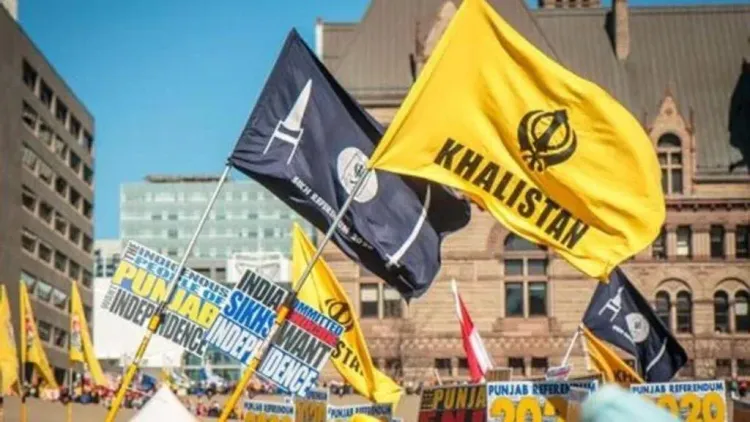
Drug proceeds are reportedly used to fund weapons, arson, extortion, and broader Khalistani extremist operations including rallies and propaganda.
Targets include South Asian business owners — restaurants, trucking firms, and families — across Brampton , Mississauga , Caledon , British Columbia , and the United States .
A Khalistan-linked criminal network known as the 'Four Brothers' (also referred to as 'For Brothers') is allegedly driving a wave of narco-terrorism across Canada and its borders, according to a detailed report by Khalsa Vox. The network, which was dismantled in a coordinated multi-agency operation, reportedly blends drug trafficking with violent extortion, arson, and separatist financing — raising alarm among Canadian law enforcement and diaspora communities alike.
The 'Four Brothers' Bust: Key Details
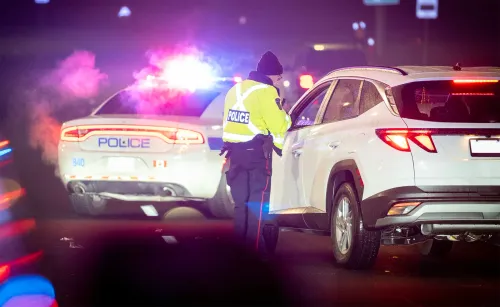
The operation targeting the Four Brothers network involved coordination between Peel Regional Police, the Royal Canadian Mounted Police (RCMP), Ontario Provincial Police (OPP), Surrey Police, and the Federal Bureau of Investigation (FBI). Authorities charged 17 individuals with over 100 offences, including extortion, firearms violations, arson, conspiracy, and drug-related crimes. Six firearms were seized along with illicit drugs.
Notably, none of the accused are Canadian citizens — all are reportedly immigrant Khalistanis with ties to the international criminal network. The group is accused of targeting South Asian business owners — including restaurants, trucking firms, and families — across Brampton, Mississauga, Caledon, British Columbia, and the United States, with reported links back to India.
Half of Peel Region's Illegal Gunfire Linked to Network
Peel Regional Police Deputy Chief Nick Milonovich issued a stark warning, revealing that the Khalistan extortion network is responsible for nearly half of all illegal gunfire in the Peel Region so far this year. Hundreds of the 620 rounds discharged from illegal firearms in the region have been linked to the group, according to officials.
This comes amid growing concerns over gang violence in suburbs with large Punjabi diaspora communities. According to the report, the pattern of violence reflects what it describes as 'systematic terror' driven by a lucrative drug trade, rather than random street crime.
Drug Money and the Narco-Terror Pipeline
Investigations including Project Pelican, launched by Canadian authorities, have reportedly uncovered large-scale cocaine imports — hundreds of kilograms worth tens of millions of dollars — smuggled through trucking routes from the United States, often with alleged connections to Mexican cartels. Proceeds from cocaine, methamphetamine, and other narcotics are reportedly channelled into weapons procurement, arson attacks, and violent extortion rackets targeting South Asian entrepreneurs.
The report noted that police seizures in the 'Four Brothers' case included both guns and drugs, 'underscoring the seamless integration between narcotics trafficking and violent intimidation.' It added: 'Each bullet fired, and each business torched sends the same message: pay the tax or face the consequences.'
Broader Ecosystem: Extremism Funded by Crime
According to the report, drug and extortion proceeds do not merely enrich individual criminals — they allegedly sustain a broader ecosystem of Khalistani extremism, reportedly funding rallies, propaganda, legal defences, and transnational operations aimed at stoking separatism. The report characterised this as turning 'grievances over Khalistan into a profitable criminal enterprise.'
The violence has had a documented impact on affected communities: businesses have closed or relocated, residents reportedly live under fear of retribution, and families are said to be paying protection money under threat of death. Rival gangs battling for control of cross-border drug routes have, according to the report, turned several suburban neighbourhoods into what it describes as 'war zones.'
What Comes Next
The multi-agency crackdown signals a heightened law enforcement focus on the intersection of diaspora-linked extremism and organised crime in Canada. With charges filed against 17 individuals and investigations reportedly ongoing, authorities are expected to pursue further prosecutions. The case is also likely to intensify diplomatic scrutiny of Canada-India relations, given the alleged transnational links of the network.
Point of View
Which in turn provides ideological cover and community insulation for criminal operations. Canadian law enforcement has long been criticised for treating Khalistani extremism as a political sensitivity rather than a security threat; this case tests whether that posture has changed. The transnational dimension — Mexican cartels, US smuggling routes, Indian targets — also signals that this is not a local problem Canada can manage in isolation.
NationPress
13 Oct 2026
Frequently Asked Questions
What is the 'Four Brothers' network in Canada?
The 'Four Brothers' (also called 'For Brothers') is a Khalistan-linked international criminal network busted by Canadian and US law enforcement agencies. It is accused of running extortion, drug trafficking, arson, and firearms offences targeting South Asian business owners across Brampton, Mississauga, Caledon, British Columbia, and the United States, with reported links to India.
How many people were arrested in the Four Brothers bust?
Authorities charged 17 individuals with over 100 offences in the operation. Six firearms and illicit drugs were seized. None of the accused are Canadian citizens — all are reportedly immigrant Khalistanis tied to the network.
What is Project Pelican and what did it uncover?
Project Pelican is an investigation launched by Canadian authorities that reportedly uncovered large-scale cocaine imports — hundreds of kilograms worth tens of millions of dollars — smuggled through trucking routes from the United States, allegedly with links to Mexican cartels. The proceeds are said to fund weapons procurement and Khalistani extremist activities.
How is the Khalistan network connected to gun violence in Peel Region?
Peel Regional Police Deputy Chief Nick Milonovich stated that the Khalistan extortion network is responsible for nearly half of all illegal gunfire in Peel Region so far this year. Hundreds of the 620 rounds discharged from illegal firearms in the region have been linked to the group.
How does drug money allegedly fund Khalistani extremism?
According to the Khalsa Vox report, proceeds from cocaine, methamphetamine, and other narcotics are reportedly channelled beyond individual enrichment — into weapons procurement, arson, violent extortion, and the broader Khalistani extremist ecosystem, including rallies, propaganda, legal defences, and transnational separatist operations.