Bangladesh gas crisis cripples Dhaka transport, kitchens since July 21 FSRU fire
Synopsis
A single fire at a Cox's Bazar gas terminal on 21 July has cascaded into a citywide crisis in Dhaka — stalling buses, emptying kitchens, and pushing low-income families back to firewood. With supply at 2,150 mmcfd against a demand of 3,800 mmcfd, and no government repair timeline in sight, the disruption is deepening by the day.
Key Takeaways
A fire at an FSRU facility in Cox's Bazar on 21 July damaged a boiler and triggered Bangladesh's current gas crisis.
Gas supply has fallen to below 2,150 mmcfd , against a national daily demand of nearly 3,800 mmcfd .
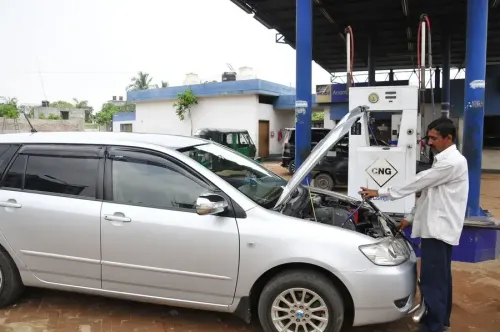
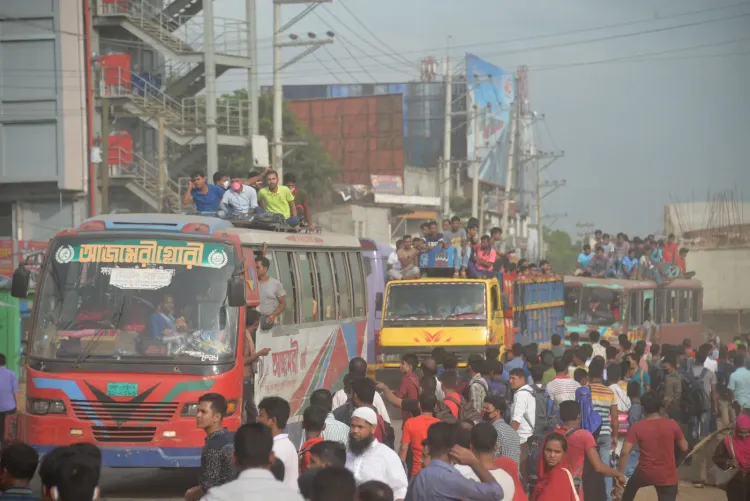
Hundreds of CNG-powered buses and auto-rickshaws in Dhaka are queuing for hours, leaving commuters stranded on major routes including Rampura , Badda , and Airport Road .
Drivers report receiving only Tk 100–Tk 150 worth of gas after waits of up to five hours at filling stations.
Low-income households have resorted to clay stoves and firewood ; others are spending more on LPG cylinders and electric cookers.
No official timeline has been announced for restoring normal gas supply.
A worsening gas crisis in Bangladesh has paralysed daily life across Dhaka, disrupting public transport and leaving household kitchens dark after a fire at a floating storage and regasification unit (FSRU) in Cox's Bazar on 21 July knocked out one of its two boilers. The incident has slashed the country's gas supply to below 2,150 million cubic feet per day (mmcfd) — well short of the national daily demand of nearly 3,800 mmcfd.
Transport Network Under Strain
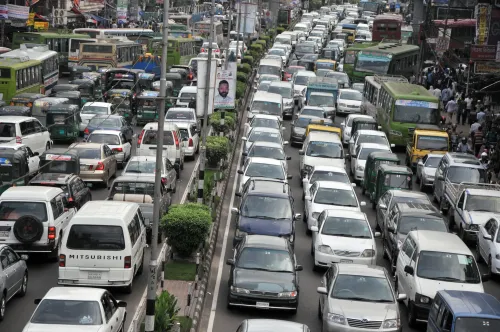
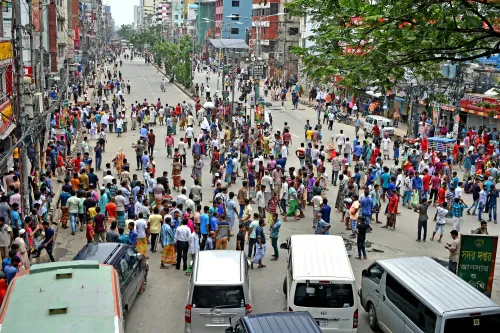
On Monday, 28 July, commuters on key Dhaka corridors including Rampura, Badda, Airport Road, Banasree, and Mirpur faced hours-long delays. Hundreds of CNG-powered buses, auto-rickshaws, and ride-sharing vehicles were stuck in long queues at filling stations, reducing the number of vehicles on the road and inflating fares.
Routes such as Gulshan-Mirpur, Gabtoli, Shahbag, Airport, and Sayedabad reported similar shortages, according to Bangladeshi daily Dhaka Tribune. Buses that previously completed multiple trips daily are now struggling to finish even one, sharply cutting fleet availability across the city.
CNG Drivers Bear the Brunt
Auto-rickshaw drivers say that after waiting as long as five hours at a filling station, they receive only Tk 100 to Tk 150 worth of compressed natural gas — barely enough to complete a handful of trips. Kawsar Ahmed and Rahim, two drivers quoted by the Dhaka Tribune while waiting at a filling station, captured the desperation: 'If the vehicle cannot run, how will we pay the owner or feed our families?'
With no clear government timeline for restoring normal supply, transport workers and commuters alike have voiced frustration at the absence of a coordinated relief plan.
What Caused the Crisis
The immediate trigger was a fire at an FSRU facility in Cox's Bazar on 21 July, which damaged one of the unit's two boilers and forced it to halt operations entirely. The outage reduced Bangladesh's gas supply from an average of around 2,700 mmcfd — maintained over the past year — to below 2,150 mmcfd, according to Bangladeshi media outlet UNB. The national daily demand stands at nearly 3,800 mmcfd, leaving a structural deficit that the damaged FSRU has widened significantly.
Household Impact: Kitchens Go Dark
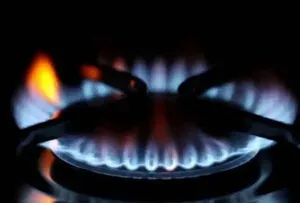
The supply shortfall has hit household kitchens hardest, with gas pressure dropping to near zero or flickering feebly across large parts of Dhaka. Residents in Mirpur, Badda, Kalabagan, Kafrul, Mohammadpur, Kazipara, West Tejturi Bazar, and Rampura reported that gas stoves remained unlit or unusable for days.
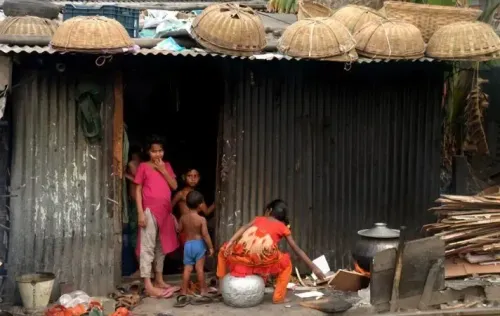
Low-income families have reportedly resorted to building temporary clay stoves and cooking with firewood. Those with greater means have switched to electric cookers or LPG cylinders, both of which are significantly more expensive, adding fresh pressure to already strained household budgets.
What Comes Next
No official timeline has been announced for restoring the damaged FSRU boiler or for supplementing supply through alternative channels. Until the facility is repaired or alternative imports are arranged, Dhaka's transport network and millions of households face continued disruption — with the burden falling disproportionately on low-income residents who have the fewest alternatives.
Point of View
With demand nearly double the current supply. What makes this politically uncomfortable is the absence of any announced repair timeline or emergency import plan — a silence that hits hardest in the informal economy, where a CNG driver's daily income vanishes after five hours in a queue. Bangladesh's gas deficit pre-dated the Cox's Bazar fire; the FSRU incident has simply made the structural gap impossible to ignore.
NationPress
28 Jul 2026
Frequently Asked Questions
What caused the gas crisis in Bangladesh in July 2025?
A fire at a floating storage and regasification unit (FSRU) in Cox's Bazar on 21 July damaged one of its two boilers, forcing the facility to halt operations. This reduced Bangladesh's gas supply from around 2,700 mmcfd to below 2,150 mmcfd, against a national daily demand of nearly 3,800 mmcfd.
How has the gas crisis affected Dhaka's public transport?
Hundreds of CNG-powered buses, auto-rickshaws, and ride-sharing vehicles have been stranded in long queues at filling stations, sometimes for up to five hours. Routes including Rampura, Badda, Airport Road, Mirpur, and Sayedabad have seen fewer vehicles, inflated fares, and overcrowded buses.
Which areas of Dhaka have been worst affected by the gas shortage?
Residential areas including Mirpur, Badda, Kalabagan, Kafrul, Mohammadpur, Kazipara, West Tejturi Bazar, and Rampura have reported near-zero gas pressure for days. Major transport corridors such as Gulshan-Mirpur, Gabtoli, Shahbag, and Sayedabad have also seen severe disruptions.
How are low-income families coping with the gas crisis?
Many low-income households have built temporary clay stoves and switched to cooking with firewood. Those who can afford it have turned to LPG cylinders or electric cookers, both of which are considerably more expensive and are increasing household costs.
When will gas supply in Bangladesh return to normal?
No official timeline has been announced for repairing the damaged FSRU boiler or for supplementing supply through alternative sources. Commuters, drivers, and residents have expressed frustration at the lack of a clear government plan to address the crisis.