Are Residents of Bangladesh Worried About Gas Shortages and Rising Prices This Ramadan?
Synopsis
As Ramadan approaches, Dhaka residents are grappling with an alarming gas crisis and skyrocketing essential prices. This situation is raising concerns for many families as they prepare for the holy month, revealing deeper issues of governance and supply management in Bangladesh.
Key Takeaways
Gas shortages in Dhaka are causing significant concern among residents.
Rising prices of essential goods are compounding the crisis.
Residents express anxiety about cooking during Ramadan .
The Awami League blames the government for the crisis.
Urgent governance reforms are necessary to address these issues.
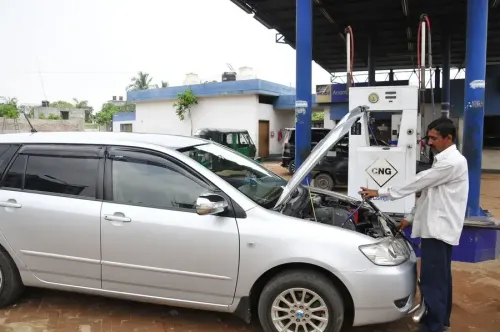
Dhaka, Feb 16 (NationPress) With Ramadan on the horizon, a sudden gas pipeline issue in Bangladesh has sent waves of concern through many families in Dhaka, while worries persist regarding the escalating prices of basic necessities, as reported by local media on Monday.
For Rahela Begum, a resident of Old Dhaka, the uncertainty surrounding gas supply has heightened her anxiety as the interruption disrupts her daily cooking routines.
"I was in the midst of preparing lunch for my son. After cleaning fish and vegetables, I discovered that there was no gas for the stove. The gas supply was absent all day, forcing me to purchase food from a restaurant. I am left in the dark about when the gas will return. The thought of this situation continuing through Ramadan is troubling," Rahela shared with Bangladeshi media outlet UNB.
Similarly, Kohinur Begum from Shantinagar experienced a challenging situation on Sunday, stating that the abnormally low gas pressure made meal preparation difficult, leaving her uncertain whether the supply would improve before Ramadan.
Reports indicate that countless families in Dhaka are facing persistent uncertainty due to the escalating gas crisis.
In addition, a recent surge in the prices of various essential items has compounded the challenges faced by low- and middle-income households.
Ansiur Rahman, a resident of Kalabagan, expressed that the dual burden of gas shortages and soaring prices has made life increasingly challenging for residents in certain areas.
"It’s not just about the gas crisis; the rising costs of essential goods are also alarming as Ramadan approaches," Anisur noted.
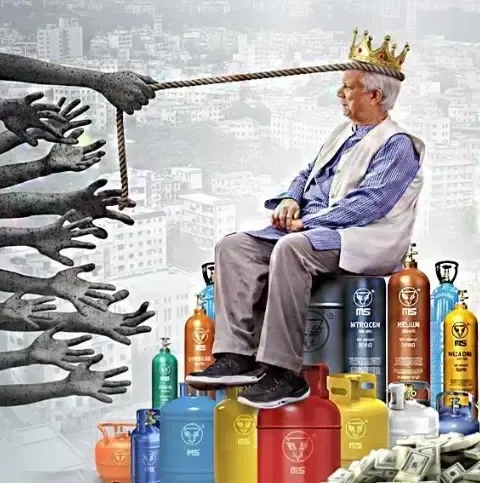
Last month, the Awami League claimed that the unfolding gas crisis in Bangladesh is a direct consequence of governmental negligence under the Muhammad Yunus-led interim government, which they argue has allowed a vital public utility to deteriorate while masking the issue with claims of "reform".
The party maintains that the ongoing crisis is not a sudden occurrence, an unavoidable global consequence, or a supply issue, but rather an "undeniable failure of governance" and another illustration of "mismanagement" under the Yunus administration.
"This crisis hasn't materialized overnight. Bangladesh has weathered far more severe global energy disruptions in past years without experiencing a system-wide failure. Currently, however, gas shortages persist even when consumers are willing to pay, LPG cylinders are disappearing from the market despite ongoing imports, and supply chains appear to be poorly managed. These are not signs of scarcity; they reflect administrative paralysis," the Awami League stated.
Point of View
The ongoing gas crisis in Bangladesh highlights systemic governance challenges that require urgent attention. As Ramadan approaches, it is essential for authorities to address the concerns of the public and work towards effective solutions that ensure stability in essential services.
NationPress
24 Sept 2026
Frequently Asked Questions
What is causing the gas crisis in Bangladesh?
The gas crisis in Bangladesh is attributed to administrative failures and lack of proper governance under the current interim government, which has allowed critical public utilities to deteriorate.
How is the gas shortage affecting households?
Many households are struggling to cook meals as gas supplies are inconsistent or completely unavailable, forcing families to seek alternative food sources.
What impact is the gas crisis having on prices?
The gas crisis is exacerbating the situation for low- and middle-income families, as the prices of essential goods are rising, adding to the financial strain.
Is this crisis expected to continue during Ramadan?
There is significant uncertainty regarding whether gas supplies will stabilize before Ramadan, causing anxiety among residents who rely on gas for cooking.
What are the political implications of the gas crisis?
The Awami League has criticized the current government, attributing the crisis to mismanagement and lack of effective governance, which could have political repercussions.