Gaza, West Bank health system on brink of collapse: Palestinian envoy
Synopsis
Palestinian Ambassador to India Abdullah Abu Shawesh has issued one of the starkest public warnings yet: Gaza and the West Bank's health systems are on the brink of total collapse — 11,000 surgeries postponed, medicine stocks depleted, and no ceasefire in sight. With Israeli elections less than three months away, he argues the humanitarian catastrophe is being prolonged for political survival.
Key Takeaways
Palestinian Ambassador Abdullah Abu Shawesh warned on 13 August that the health system in Gaza and the West Bank is on the brink of collapse.
Approximately 11,000 surgeries have been postponed due to medicine shortages and conflict disruption.
The West Bank is reportedly experiencing tens of terror attacks daily, with no ceasefire in place in Gaza.
Two UNSC briefings held days before his remarks highlighted the severity of the Palestinian humanitarian crisis.
The conflict began with the Hamas attack on 7 October 2023 , which killed more than 1,200 people in Israel and took over 200 hostages.
Israeli PM Benjamin Netanyahu stated on 4 August that Israel will not withdraw from Gaza until Hamas is 'completely disarmed.'
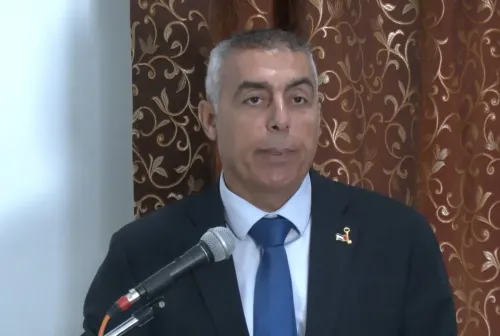
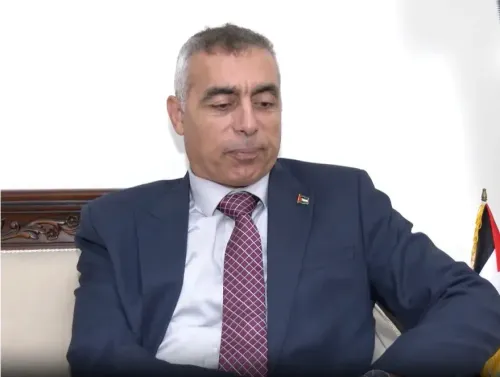
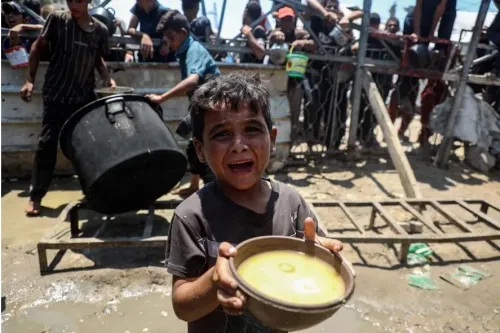
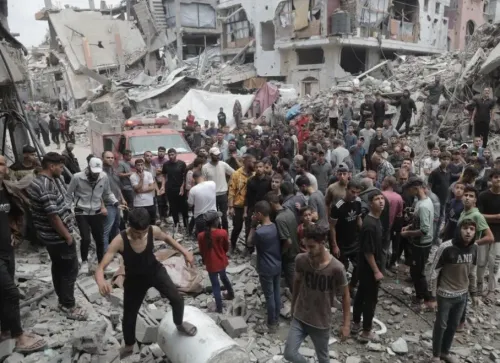
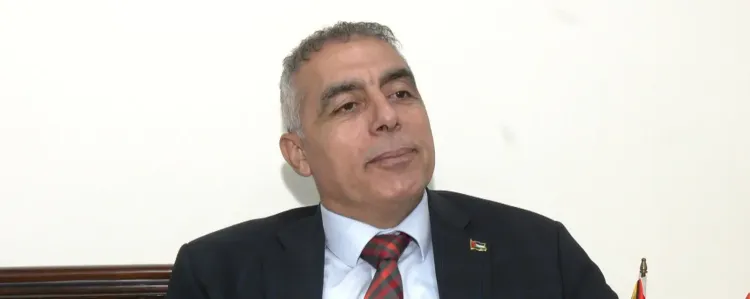
Abdullah Abu Shawesh, Palestinian Ambassador to India, warned on Thursday, 13 August that the public health system across Gaza and the West Bank is on the verge of total collapse, citing acute medicine shortages, postponed surgeries, and the absence of any ceasefire agreement. Speaking in New Delhi, Shawesh painted a grim picture of conditions on the ground, underscoring what he described as a humanitarian emergency with no immediate resolution in sight.
Health System in Free Fall
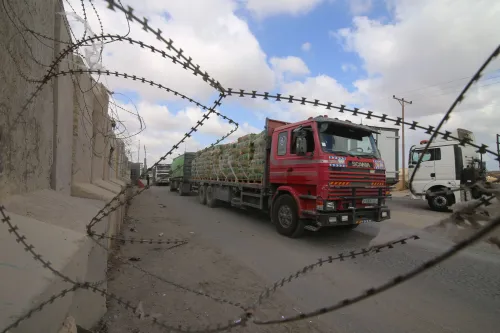
'The whole entire health system in Palestine is on the brink of collapse,' Shawesh said. 'Thousands of surgeries have been postponed and we are short of hundreds of different types of tablets and medicine.' He noted that fewer than two months ago he had already flagged that approximately 11,000 surgeries had been postponed — a figure that has since grown further as supply chains remain severed and medical personnel operate under conflict conditions.
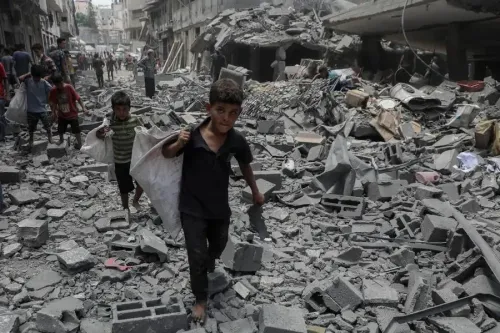
The ambassador stressed that the crisis is not confined to Gaza. The West Bank, he said, is enduring tens of terror attacks daily, compounding pressure on an already overstretched healthcare infrastructure. Children, he added, have been killed in the Gaza Strip amid the continuing hostilities.
UNSC Briefings Highlight Deepening Crisis
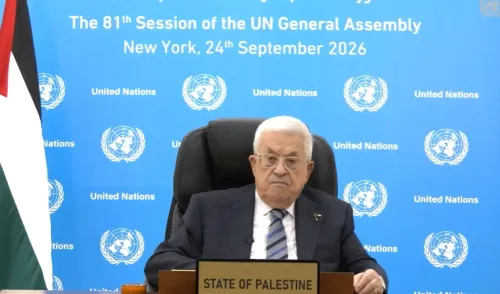
Shawesh drew attention to two briefings held at the United Nations Security Council (UNSC) just days before his remarks, which he said underscored the severity of conditions facing Palestinians in both territories. 'Two very important briefings highlighted the miserable situation that the Palestinians are enduring, whether it is in Gaza or in the West Bank, and stressed that there was no ceasefire,' he said.
This comes amid a broader diplomatic stalemate. Negotiations over a ceasefire and hostage deal have repeatedly stalled, with mediators from Qatar, Egypt, and the United States struggling to bridge gaps between Israeli and Hamas positions.
Background: The Conflict's Origins
The current conflict was triggered by the Hamas attack on 7 October 2023, which killed more than 1,200 people in Israel and resulted in over 200 individuals being taken hostage. Israel subsequently launched a sustained military campaign in Gaza with the stated objective of eliminating Hamas.
In a video message shared on Facebook on 4 August, Israeli Prime Minister Benjamin Netanyahu stated that Israel would not withdraw 'from our current lines' in Gaza 'until Hamas is completely disarmed,' according to The Times of Israel.
Political Dimension: Israeli Elections
Shawesh alleged that the approaching Israeli elections — less than three months away — are shaping military conduct on the ground. 'Everyone knows that the fuel for the Israeli election is the Palestinian blood,' he said, arguing that the current Israeli government has an incentive to prolong conflict to maintain its political standing. He referred to Prime Minister Netanyahu as 'the fugitive from justice,' a reference to the arrest warrant issued by the International Criminal Court (ICC). These remarks represent the ambassador's personal characterisation and not an established legal finding.
India's Independence Day and Palestinian Solidarity
Shawesh also drew a parallel between India's Independence Day and the Palestinian aspiration for statehood. 'This is a great day not only for the Indian people, but for us Palestinian people too, who are motivated by India's independence struggle,' he said. 'One day, we will gain our freedom like how you gained decades ago.' The remarks came as India marked its 78th Independence Day on 15 August.
With no ceasefire in place and the humanitarian situation continuing to deteriorate, international pressure on all parties to resume negotiations is expected to intensify in the weeks ahead.
Point of View
And a public warning of this severity from the Palestinian envoy signals that Ramallah sees value in pressing its case through non-Western capitals. The 11,000-surgery figure, if accurate, represents a systemic failure, not a supply-chain hiccup. What mainstream coverage underplays is the West Bank dimension: the health crisis there is structurally distinct from Gaza's, driven by movement restrictions and settler violence rather than aerial bombardment — yet it is deteriorating in parallel. The Israeli election timeline Shawesh raises is a legitimate analytical variable, not mere rhetoric; historical patterns show military tempo in Gaza has correlated with domestic Israeli political cycles.
NationPress
28 Sept 2026
Frequently Asked Questions
What did the Palestinian Ambassador to India say about Gaza's health system?
Palestinian Ambassador Abdullah Abu Shawesh said on 13 August that the health system in both Gaza and the West Bank is on the brink of collapse, with approximately 11,000 surgeries postponed and critical medicine shortages reported. He described the situation as 'miserable' and said no ceasefire is currently in place.
How many surgeries have been postponed in Gaza and the West Bank?
According to Ambassador Shawesh, approximately 11,000 surgeries had already been postponed as of less than two months before his 13 August statement, with the figure continuing to rise due to ongoing conflict and medicine shortages.
What is the current status of a ceasefire in Gaza?
As of 13 August , there is no ceasefire in place in Gaza , according to the Palestinian ambassador. Israeli PM Benjamin Netanyahu stated on 4 August that Israel would not withdraw from its current positions until Hamas is completely disarmed.
What was discussed at the recent UNSC briefings on Palestine?
Two briefings at the United Nations Security Council (UNSC) , held shortly before 13 August , highlighted the humanitarian crisis facing Palestinians in both Gaza and the West Bank and confirmed that no ceasefire agreement was in place.
How did the current Israel-Gaza conflict begin?
The conflict was triggered by a Hamas attack on 7 October 2023 that killed more than 1,200 people in Israel and took over 200 individuals hostage. Israel subsequently launched a military campaign in Gaza with the stated aim of eliminating Hamas.