Is Doing Business in Pakistan 34% More Expensive Than Other South Asian Economies?

Synopsis
A recent study reveals that the cost of conducting business in Pakistan is significantly higher than in other South Asian countries. This article explores the structural issues contributing to these inflated expenses, including high energy prices and heavy taxation. Discover how these factors are reshaping the business landscape in Pakistan.
Key Takeaways
The cost of doing business in Pakistan is 34% higher than in South Asia.
High energy costs and heavy taxation are significant barriers.
The Pakistani rupee has depreciated, affecting import costs.
Salaried employment is rising, while self-employment is on the decline.
Complex regulations deter new business ventures.
New Delhi, Feb 19 (NationPress) The narrative surrounding Pakistan’s economic challenges may not stem from a deficiency in productivity or innovation, but rather from the exorbitant costs associated with business operations influenced by government policies, as highlighted by a recent analysis from the private sector reported by Nikkei Asia.
This report, derived from a study by the Pakistan Business Forum (PBF) and cited by The News International, reveals that the cost of running a business in Pakistan is a staggering 34 percent higher than in other comparable South Asian nations.
Industry leaders emphasize that this is not merely a temporary setback but a fundamental issue driven by elevated energy costs, heavy taxation, high borrowing rates, and currency devaluation.
The study indicates that the average electricity tariff in Pakistan stands at approximately Rs34 per unit, nearly twice the regional average of Rs17.
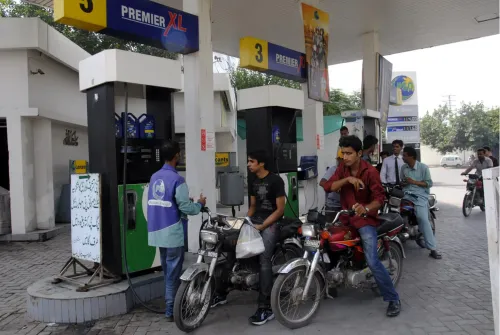
Additionally, fuel prices are burdened by a petroleum levy of around Rs80 per litre, while interest rates remain high at 12.5 percent, making loans prohibitively expensive for businesses.
Furthermore, the value of the Pakistani rupee has dramatically depreciated from Rs110 per dollar in 2018 to about Rs280 by December 2025, which significantly raises the cost of imported raw materials and machinery, according to the report.
The overall tax burden on companies can climb to as high as 55 percent, which is considerably above regional standards.
Business associations argue that such a high tax rate diminishes the funds available for reinvestment and expansion, ultimately hindering growth.
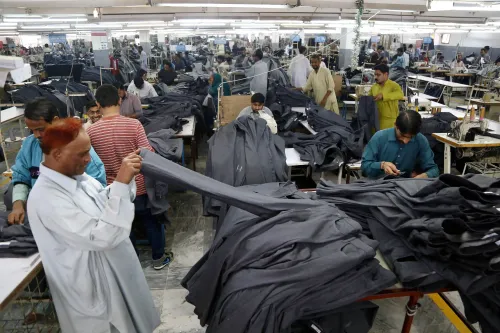
This situation is also reflected in workforce trends; data from Gallup Pakistan indicates that salaried positions now make up over 60 percent of the workforce, an increase from about 53 percent in 2010-11.
Conversely, self-employment has decreased from 24.4 percent to 21.8 percent. Analysts suggest this trend reveals a growing aversion to risk, as high costs and regulatory challenges deter individuals from launching their own enterprises.
Entrepreneurs have voiced concerns regarding intricate licensing processes and the maze of government departments that inflate compliance expenses.
A young graduate mentioned in the Nikkei report shared that he abandoned plans to start a restaurant due to overwhelming regulatory demands.
Experts also highlight trade and industrial policies that limit access to more affordable imported materials under the guise of protecting domestic producers.
Critics contend that this strategy escalates production costs without enhancing competitiveness, leaving local manufacturers shielded but unable to thrive in the global market, as noted in the report.
Point of View
I believe the findings of this study necessitate urgent attention. The challenges faced by businesses in Pakistan highlight the need for structural reforms in government policies. It's crucial for the nation to foster an environment conducive to growth and innovation.
NationPress
24 Sept 2026
Frequently Asked Questions
What factors contribute to the high cost of doing business in Pakistan?
The high costs are attributed to elevated energy prices, heavy taxation, expensive loans, and currency depreciation.
How does Pakistan's electricity cost compare to other South Asian countries?
Electricity tariffs in Pakistan average around Rs34 per unit, which is nearly double the regional average of Rs17.
What has been the trend in employment in Pakistan?
Salaried employment has increased to over 60% of the workforce, while self-employment has declined from 24.4% to 21.8%.
What impact do high taxes have on businesses in Pakistan?
High taxes reduce funds available for reinvestment and expansion, discouraging growth among businesses.
Are there regulatory challenges for entrepreneurs in Pakistan?
Yes, entrepreneurs face complex licensing requirements and a cumbersome compliance process that increases costs.