Hormuz crisis triggers world's largest energy supply shock, IEA says
Synopsis
The IEA's World Energy Outlook 2026 delivers a stark verdict: the Hormuz disruption is not just the largest energy supply shock on record — it is reshaping the global energy order, pushing 25 countries toward new electrification policies, lifting nuclear construction to a 35-year high, and forcing Gulf producers to plan pipeline bypasses of their own strategic waterway.
Key Takeaways
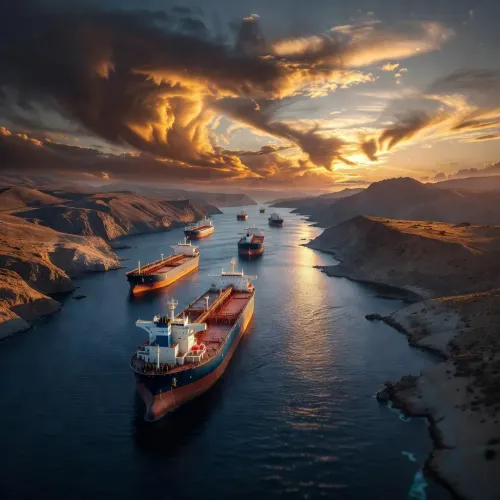
The Strait of Hormuz disruption in 2026 has triggered the world's largest energy supply shock, according to the IEA's World Energy Outlook 2026 .
More than 4 billion people live in countries that depend on the Strait for over 30% of their oil supplies.
25 countries have announced new electrification-related policies since February 2026 .
Nearly 90 GW of nuclear capacity was under construction as of mid-2026 — the highest level in more than 35 years .
Gulf producers are pursuing pipeline bypasses with a combined capacity of around 7 million barrels per day .
Solar PV and battery imports to Africa and Asia surged in 2026 trade data, with solar set to lead renewable expansion.
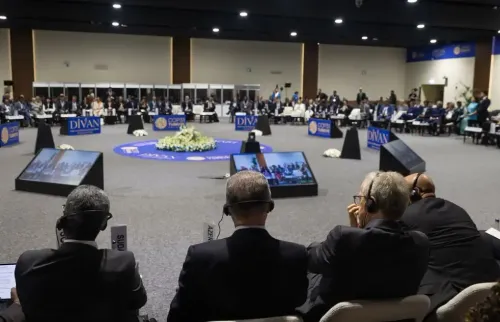
The disruption to energy flows through the Strait of Hormuz in 2026 has triggered the largest energy supply shock the world has ever faced, accelerating global efforts to diversify energy supplies and driving an unprecedented shift toward electrification, the International Energy Agency (IEA) said on Thursday, 19 November 2026. The findings were published in the agency's flagship World Energy Outlook 2026 report.
Scale of the Crisis
The IEA warned that the Hormuz disruption has compounded a broader sense of fragility in global energy markets, already under pressure from geopolitical tensions, rising climate risks, and cyberattacks targeting energy infrastructure. The scale of the impact is vast: three-quarters of the world's population live in countries that import oil and gas, while more than 4 billion people reside in countries that depend on the Strait of Hormuz for over 30% of their oil supplies.
The crisis has not been limited to energy alone. The IEA underlined that climate and food security risks are interconnected and can deepen one another, citing weather-related pressures — including a strong El Niño event and fertiliser shortfalls — that are threatening food security in multiple regions.
Countries Pivot to Diversification and Electrification
In response to the supply shock, countries are increasingly prioritising diversification across multiple dimensions: energy suppliers, transportation routes, energy mixes, and technology supply chains. The report found that many nations now show a stronger preference for domestically available resources and are pushing for faster electrification of their energy systems.
Trade data for 2026 show a rapid increase in imports of solar photovoltaic (PV) modules and batteries, particularly to countries in Africa and Asia. Solar power is set to lead the expansion of renewables, followed by onshore and offshore wind, along with firm or flexible sources such as hydropower, bioenergy, and geothermal energy.
The crisis has further strengthened the strategic case for electrification, with 25 countries announcing new electrification-related policies since February 2026, according to the IEA. However, the agency cautioned that increasingly electrified energy systems bring new security risks of their own, including cyberattacks on energy utilities, natural hazards, and rising cooling demand driven by long-term increases in average temperatures.
Nuclear Power Revival Gains Momentum
The Hormuz crisis may also reinforce what the IEA describes as a global revival of nuclear energy. As of mid-2026, nearly 90 gigawatts (GW) of new nuclear capacity was under construction worldwide — the highest level in more than 35 years. More than 50 countries now have plans or targets for nuclear power, including emerging technologies such as small modular reactors (SMRs).
Gulf Producers Seek Alternative Routes, Risks Remain
Confidence in the Strait of Hormuz has been 'shattered,' the IEA said, prompting Gulf oil producers to pursue new pipeline projects with a combined capacity of around 7 million barrels per day to bypass the strategic waterway. The agency cautioned, however, that developing alternative routes will take time, and that such routes could themselves remain vulnerable to instability across the Middle East region.
The World Energy Outlook 2026 paints a picture of an energy order in flux — one where the speed of the clean energy transition may now be as much a function of geopolitical necessity as of climate policy.
Point of View
Domestic renewables, grid security — left most nations structurally exposed. The rush to electrification and nuclear is real, but the 35-year high in nuclear construction also reflects pipelines of projects that began well before 2026; the Hormuz crisis is an accelerant, not an originator. More critically, the IEA's own warning that alternative pipeline routes 'could remain vulnerable to instability' raises the uncomfortable question of whether supply diversification is a genuine fix or a geographic reshuffling of the same geopolitical risks.
NationPress
19 Nov 2026
Frequently Asked Questions
What is the Strait of Hormuz energy crisis in 2026?
The Strait of Hormuz disruption in 2026 refers to a major interruption of oil and gas flows through the strategic waterway that connects the Persian Gulf to global markets. The IEA has described it as the largest energy supply shock the world has ever faced, affecting more than 4 billion people who depend on the Strait for over 30% of their oil supplies.
How has the Hormuz crisis accelerated the shift to renewable energy?
The crisis has pushed 25 countries to announce new electrification-related policies since February 2026, and 2026 trade data show a rapid increase in solar PV module and battery imports to Africa and Asia. The IEA expects solar power to lead renewable expansion, followed by wind, hydropower, bioenergy, and geothermal energy.
Why is nuclear power seeing a revival linked to the Hormuz crisis?
The IEA says the crisis has reinforced the strategic case for nuclear power as a domestically controllable, non-fossil energy source. As of mid-2026, nearly 90 GW of new nuclear capacity was under construction globally — the highest level in more than 35 years — and more than 50 countries now have plans or targets for nuclear, including small modular reactors.
What are Gulf producers doing to bypass the Strait of Hormuz?
Confidence in the Strait has been 'shattered,' the IEA said, prompting Gulf oil producers to pursue new pipeline projects with a combined capacity of around 7 million barrels per day to avoid the waterway. The IEA cautioned that building these alternatives will take time and that the routes could still face vulnerability to regional instability.
What new security risks come with faster electrification?
The IEA warned that more electrified energy systems create new vulnerabilities, including cyberattacks targeting energy utilities, greater exposure to natural hazards, and rising cooling demand as average global temperatures climb over the long term. The agency noted these risks must be managed alongside the benefits of electrification.