COP31 Antalya: Fossil fuel phaseout talks stall as geopolitical tensions deepen
Synopsis
COP31 is in its final days in Antalya and the central question — how fast the world phases out fossil fuels — remains unanswered. The IEA's warning that the Hormuz crisis has permanently altered energy markets has handed energy-security hawks new ammunition, while 21 issues sit unresolved. Turkey's Presidency is reaching back five centuries to an Ottoman council tradition to coax ministers toward consensus. The clock is running.
Key Takeaways
COP31 is in its final stretch in Antalya, Turkey , with ministers still divided on the pace of a global fossil fuel phaseout.
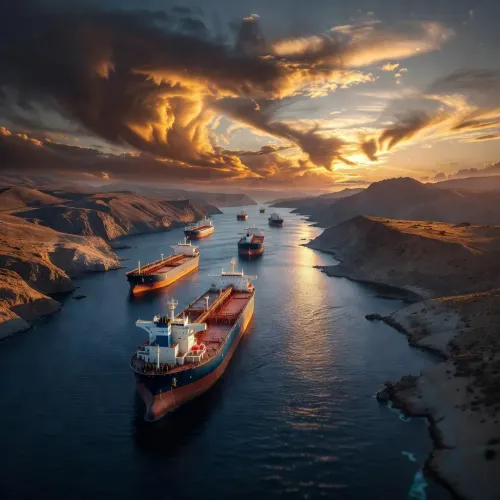
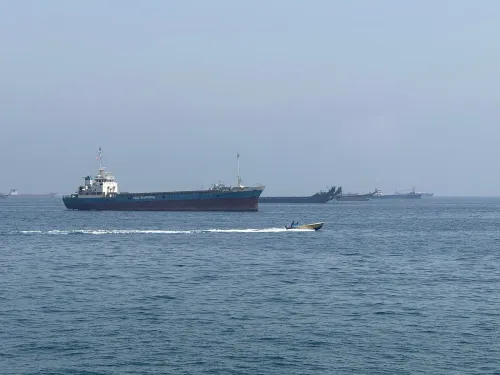
The IEA 's World Energy Outlook warned that the Hormuz crisis has permanently reshaped global energy markets, with no return to pre-crisis conditions, according to IEA Executive Director Fatih Birol .
Nearly 200 nations launched the second Global Stocktake under the Paris Agreement , with 21 issues still unresolved in negotiations.
COP31 President Murat Kurum and President of Negotiations Chris Bowen invoked Turkey's Divan tradition — rooted in the Ottoman Imperial Council of the 15th century — to structure informal minister-level dialogue.
Civil society groups outside the venue demanded protection for workers and communities during the energy transition.
The UN Climate Change Conference (COP31) in Antalya, Turkey entered its final stretch on 19 November 2026 with ministers sharply divided over the pace of a global fossil fuel phaseout, even as the Turkish Presidency invoked the country's centuries-old Divan tradition to coax consensus from fractured delegations. The deepening standoff underscores a widening fault line between climate ambition and energy security that has shadowed every major COP since the Dubai agreement of 2023.
IEA Warning: Geopolitics Is Reshaping Energy Choices
Against that backdrop, the International Energy Agency (IEA) released its World Energy Outlook report on Thursday, examining how geopolitical conflicts, shifting risk perceptions and eroding trust among nations could redraw global energy markets for years to come. The report assessed how the evolving mix of fuels and technologies must respond to rapidly growing energy demand worldwide — even as governments argue about how fast to move away from hydrocarbons.
IEA Executive Director Fatih Birol offered a stark assessment: 'The Hormuz crisis has delivered a huge shock to the system. While the energy sector and the global economy have shown considerable resilience, the longer the crisis lasts, the deeper the effects will be. And I don't see any credible pathway for the energy world to return to the way it was before,' he said. The statement signals that supply disruptions — not just climate targets — are now a primary variable in the global energy equation.
Global Stocktake Launched, 21 Issues Still Unresolved
A day before the Divan session, nearly 200 nations formally launched the second five-yearly review of collective progress under the Paris Agreement, known as the Global Stocktake. The process is designed to benchmark where the world stands relative to its climate commitments and ratchet up ambition accordingly. At the time of the launch, 21 issues remained unresolved in the negotiations, with new draft texts due as ministers attempted to narrow differences across multiple tracks. Outside the venue, a large signed banner pressed civil society's core demand: protect workers and communities as economies transition to cleaner energy.
The Divan: Turkey's Ancient Counsel Tradition Meets Climate Diplomacy
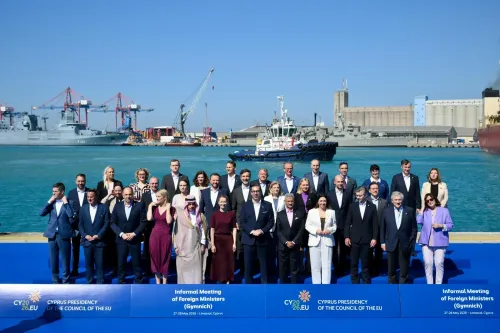
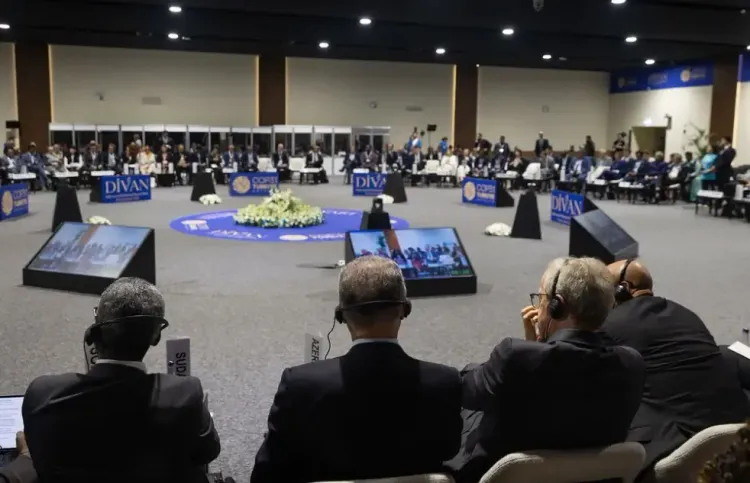
COP31 President Murat Kurum and President of Negotiations Chris Bowen drew on Turkey's Divan tradition — a model of collective judgment with roots as far back as the 15th century — to structure informal, minister-level dialogue. The format, open to ministerial parties, negotiating group chairs and observer constituencies, was designed as a frank, party-driven and transparent space where delegations could articulate priorities without the procedural constraints of formal plenary sessions.
The best-known historical precedent is the Divan-ı Hümayun, or Ottoman Imperial Council, which deliberated on state affairs spanning diplomacy, finance, administration and justice — treating them as connected responsibilities rather than isolated domains. The Presidency consciously applied that integrative spirit to COP31's overlapping negotiating tracks, hoping ministers would surface areas of convergence before the final package is assembled.
Kurum told the assembled ministers: 'What we need at this stage is not so much to reiterate our respective positions, but rather to identify where we can move forward together. As we approach the final days of COP31, let us uphold the spirit of the Divan in our discussions here: let us listen to one another, broaden our common ground and translate what is possible into concrete outcomes.'
Bowen added: 'This is a chance for the world to show we can work together on climate change and deliver on the real economic and energy pressures people are facing. Now we need to build on common ground and deliver an ambitious, balanced and practical message to the world.'
What Remains at Stake
The core impasse at COP31 mirrors the tension that has defined post-Paris climate diplomacy: developed nations and climate-vulnerable states are pushing for faster fossil fuel elimination, while major emerging economies and energy-dependent nations argue that security of supply cannot be sacrificed on an accelerated timeline. The Hormuz crisis referenced by Birol has reinforced those concerns, giving energy-security arguments fresh political weight even among governments that had previously committed to ambitious phaseout timelines.
Notably, this is the second consecutive COP at which a fossil fuel phaseout text has stalled in the final week of negotiations, suggesting structural limits to multilateral consensus on the issue. How ministers use the remaining days — and whether the Divan process yields genuine movement — will determine whether Antalya becomes a milestone or another missed opportunity.
Point of View
Undeniable energy-security argument into the COP negotiating room, diluting the momentum from Dubai's historic phaseout language. The Divan format is a creative diplomatic gesture, but soft process rarely resolves hard disagreements about national economic interest. With 21 issues open and the IEA itself conceding that the pre-crisis energy order is gone, the real risk is not that Antalya produces no text — it is that it produces one so hedged it sets back rather than advances the phaseout timeline. Two consecutive COPs stalling on the same fossil-fuel language is a pattern, not a coincidence.
NationPress
19 Nov 2026
Frequently Asked Questions
What is COP31 and where is it being held?
COP31 is the 31st UN Climate Change Conference, being held in Antalya, Turkey. It brings together nearly 200 nations to advance global climate commitments under the Paris Agreement, with fossil fuel phaseout and finance among the central issues at this year's talks.
Why are COP31 fossil fuel phaseout talks stalling?
Ministers remain divided over how quickly the world should exit fossil fuels, with energy security concerns — sharpened by the Hormuz crisis — giving pause to nations that might otherwise back faster timelines. The IEA has warned that the crisis has permanently altered global energy markets, adding political weight to those arguing for a slower transition.
What is the Global Stocktake launched at COP31?
The Global Stocktake is a five-yearly review mechanism under the Paris Agreement that assesses collective progress toward climate targets. Nearly 200 nations launched its second edition at COP31 on 18 November 2026, with 21 issues still unresolved and new draft texts due as ministers attempt to narrow differences.
What is the COP31 Divan and why is Turkey using it?
The COP31 Divan is an informal, minister-level dialogue format modelled on Turkey's historical Divan tradition — most famously the Ottoman Imperial Council, the Divan-ı Hümayun, which dates to the 15th century. COP31 President Murat Kurum and President of Negotiations Chris Bowen introduced it to give ministers a frank, party-driven space to identify common ground across the conference's overlapping negotiating tracks before the final package is finalised.
What did IEA Executive Director Fatih Birol say about the Hormuz crisis at COP31?
Birol said the Hormuz crisis 'has delivered a huge shock to the system' and that he sees 'no credible pathway for the energy world to return to the way it was before.' He acknowledged resilience in the energy sector and global economy but warned that the longer the crisis persists, the deeper its effects will be — a signal that geopolitical disruption is now a core variable in the global energy transition calculus.