Houthis claim drone strike on Saudi Aramco refinery in Jazan

Synopsis
The Houthis have struck at the heart of Saudi Arabia's energy infrastructure — or so they claim. A drone attack on the Saudi Aramco refinery in Jazan, confirmed indirectly by Riyadh's admission of a fire at the facility, signals a dangerous new phase in a conflict that has already upended Red Sea shipping and shows no signs of abating.
Key Takeaways
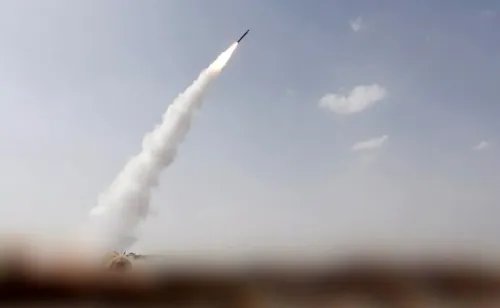
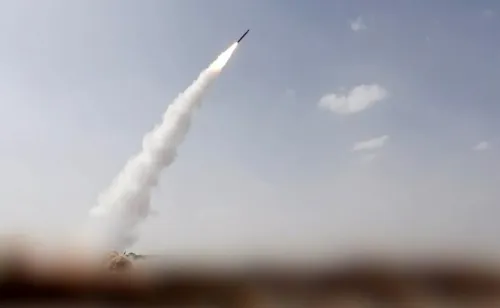
Yemen's Houthi group claimed a drone strike on a Saudi Aramco refinery in Jazan on 9 August .
Houthi spokesperson Yahya Saree described the attack as 'precise' and said it was retaliatory, citing alleged Saudi drone incursions into Saada and Hajjah .
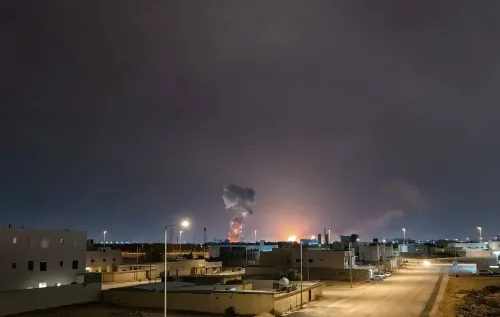
Saudi Arabia's Ministry of Energy confirmed a fire at the Jazan refinery was extinguished, with no injuries ; the cause was not officially stated.
On 20 July , the Houthis imposed a maritime ban on Saudi-linked shipping in the Red Sea .
The Saudi-led coalition has reportedly resumed limited airstrikes on Houthi military targets in Yemen.
The Yemen conflict dates to 2014 , with Saudi coalition intervention beginning in 2015 .
Yemen's Houthi group on Sunday, 9 August claimed responsibility for a drone attack on a Saudi Aramco refinery in Jazan, Saudi Arabia's southwestern city, as hostilities between the two sides continue to intensify. The strike marks the latest in a string of cross-border escalations that have kept the region on edge.
What the Houthis Said
Houthi military spokesperson Yahya Saree announced the operation in a statement posted on X, describing the drone as having struck the refinery in what he called a 'precise' attack. Saree stated the strike was carried out in retaliation for alleged Saudi drone incursions into the airspace of Saada and Hajjah — two Houthi-held provinces in northern Yemen along the Saudi border. The group did not provide evidence of the attack, nor did it offer details on damage or casualties.
Saudi Arabia's Response
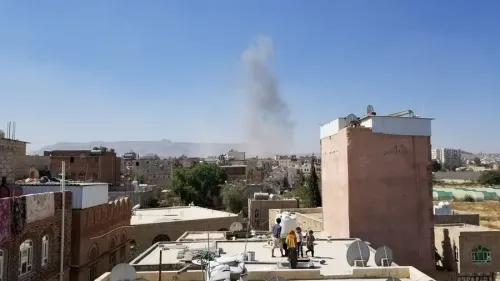
Saudi Arabia's Ministry of Energy confirmed that industrial security firefighting teams of Saudi Aramco had extinguished a fire at one of the refinery's facilities in Jazan, with no injuries reported. The ministry, in a post on X, said the fire broke out early in the day and that relevant authorities were completing necessary procedures to address the incident. Notably, the ministry did not specify the cause of the fire, stopping short of directly linking it to the Houthi claim.
Escalating Tensions in the Region
The drone strike claim comes against a backdrop of sharply rising hostilities. On 20 July, the Houthis announced a maritime ban on Saudi-linked shipping in the Red Sea, citing what they described as a Saudi blockade of Houthi-held areas. The group has since claimed multiple attacks on Saudi-linked vessels, energy infrastructure, and airports. In response, the Saudi-led coalition has reportedly resumed limited airstrikes on key Houthi military targets inside Yemen.
A Conflict Rooted in a Decade of War
Yemen has been engulfed in conflict since late 2014, when the Houthis seized control of much of the country's north, including the capital Sanaa. The Saudi-led coalition intervened in 2015 in support of the internationally recognised Yemeni government. Despite intermittent ceasefires and UN-mediated negotiations over the years, a durable resolution has remained elusive. The targeting of Saudi Aramco infrastructure — a critical node in global energy supply — carries implications well beyond the bilateral conflict.
What to Watch Next
With the Houthis escalating both maritime and aerial operations and the Saudi-led coalition resuming targeted strikes, the risk of a broader flare-up in the Red Sea corridor remains elevated. International energy markets and shipping insurers will be closely monitoring any further attacks on Saudi Aramco facilities, given Jazan's role in the kingdom's refining network.
Point of View
The group is demonstrating an ability to threaten both Saudi energy exports and global shipping lanes simultaneously. Riyadh's careful wording — confirming a fire without attributing a cause — reflects the diplomatic tightrope it walks: acknowledging operational reality without handing the Houthis a propaganda victory. The deeper concern is for energy markets: Jazan is not Abqaiq, but repeated successful strikes on Aramco facilities erode the premium of Saudi supply reliability. The international community's failure to enforce a durable ceasefire in a decade of conflict has left this corridor perpetually combustible.
NationPress
23 Sept 2026
Frequently Asked Questions
What did the Houthis claim in the 9 August drone attack?
The Houthi group claimed it launched a drone strike on a Saudi Aramco refinery in Jazan, southwestern Saudi Arabia, on 9 August. Spokesperson Yahya Saree described it as a 'precise' retaliatory operation against alleged Saudi drone incursions into Houthi-held provinces.
Did Saudi Arabia confirm the Houthi drone attack on Jazan?
Saudi Arabia's Ministry of Energy confirmed that a fire broke out at a Saudi Aramco refinery facility in Jazan and was extinguished by industrial security teams, with no injuries reported. The ministry did not specify the cause of the fire or directly address the Houthi claim.
Why did the Houthis say they carried out the attack?
The Houthis said the strike was in retaliation for what they described as Saudi drone incursions into the airspace of Saada and Hajjah, two Houthi-held provinces in northern Yemen bordering Saudi Arabia.
How does this fit into the broader Yemen-Saudi conflict?
Yemen has been in conflict since 2014, when the Houthis seized Sanaa and much of northern Yemen. A Saudi-led coalition intervened in 2015 in support of the recognised government. Attacks on Saudi energy and maritime targets have escalated in recent months, including a Houthi maritime ban on Saudi-linked Red Sea shipping announced on 20 July.
What is the significance of attacking Saudi Aramco in Jazan?
Saudi Aramco is the kingdom's state energy company and a cornerstone of global oil supply. Attacks on its refinery infrastructure, even if limited in damage, carry symbolic and market weight, raising concerns about supply reliability and potentially affecting international energy prices.