Houthis launch fresh drone strike on Saudi Aramco refinery in Jazan
Synopsis
The Houthis have now struck the same Saudi Aramco refinery in Jazan at least twice within days, citing Saudi airspace violations over their northern strongholds. With no formal ceasefire in place and attacks spreading to commercial shipping in the Red Sea and Bab al-Mandab, the conflict is moving beyond Yemen's borders — with real consequences for regional energy and trade.
Key Takeaways
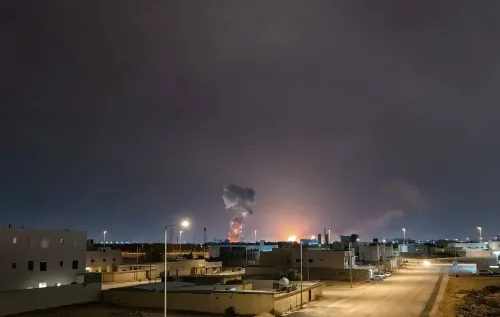
The Houthi group claimed a fresh drone attack on a Saudi Aramco refinery in Jazan , southwestern Saudi Arabia, on 18 August .
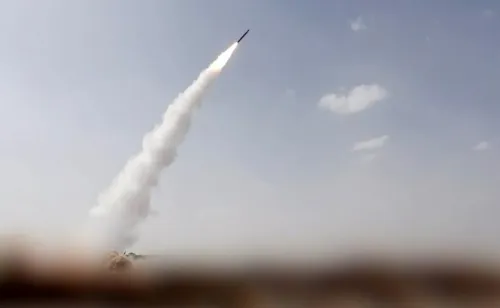
A Houthi military source described the strike as 'precise,' saying multiple drones were used; Saudi Arabia and Aramco had not commented at the time of reporting.
The same refinery was reportedly targeted just days earlier, with the group citing alleged Saudi airspace violations over Saada and Hajjah as justification.
Houthi attacks have also hit the port city of Mocha , the province of Marib , and commercial vessels in the Red Sea and Bab al-Mandab .
A UN -brokered truce from April 2022 lapsed without renewal; a fragile de facto ceasefire had held until this recent escalation.
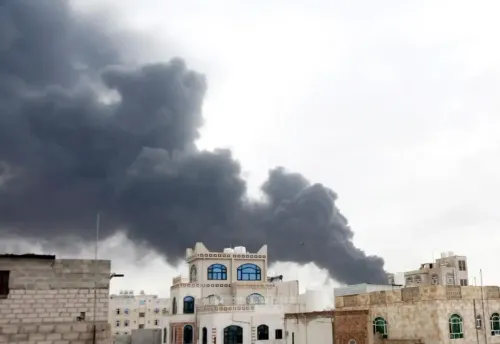
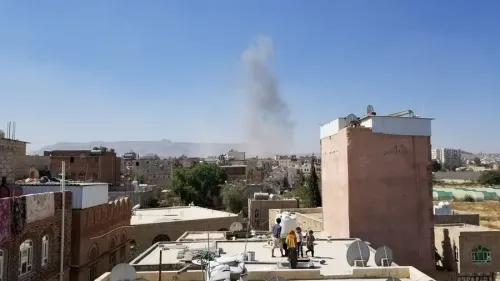
Yemen's Houthi group claimed on Tuesday, 18 August that it had carried out a fresh drone attack on a Saudi Aramco oil refinery in the Jazan region of southwestern Saudi Arabia. There was no immediate comment from Saudi authorities or Aramco, and no information was available on casualties or damage at the time of reporting.
What the Houthis Said
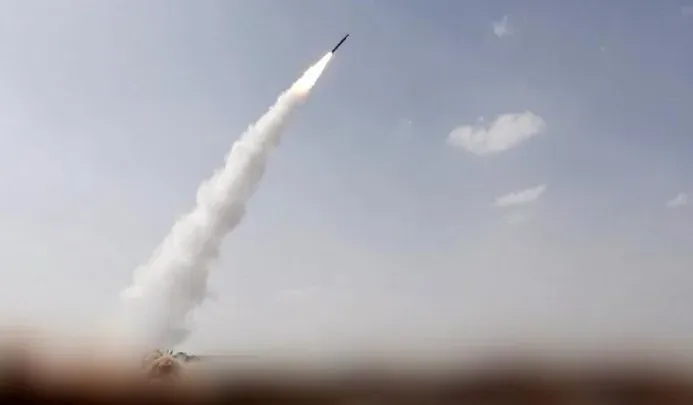
A military source within the group, cited by the Houthi-run Saba news agency, said a number of drones targeted the refinery and that the strike was 'precise.' The source said the attack was carried out in response to alleged 'Saudi violations of the airspace' over the Houthi-held northern provinces of Saada and Hajjah.
Pattern of Escalation
Tuesday's claim is the latest in a series of Houthi strikes on the same facility. Just days earlier, on Thursday, the group said two drones had targeted the Jazan refinery, citing the same rationale of alleged Saudi aerial activity over Saada and Hajjah. The recent escalation has also coincided with Houthi missile and drone attacks on government-held areas inside Yemen, including the Red Sea port city of Mocha and the oil-rich province of Marib, as well as strikes on commercial vessels in the Red Sea and the Bab al-Mandab strait.
Background: A Decade of Conflict
Yemen has been engulfed in conflict since late 2014, when the Houthis seized much of northern Yemen, including the capital Sanaa. A Saudi-led coalition intervened the following year in support of the internationally recognised Yemeni government. A UN-brokered truce that took effect in April 2022 expired six months later without a formal extension. A fragile de facto ceasefire had largely held since then — until the current wave of escalation.
What Happens Next
With no formal ceasefire framework in place and attacks intensifying on both energy infrastructure and maritime routes, the risk of a broader regional flare-up is rising. The Jazan refinery is a significant node in Saudi Arabia's downstream energy network, and repeated strikes — even if unconfirmed in their damage — carry implications for regional oil supply stability and Red Sea shipping lanes.
Point of View
Signalling a deliberate strategy to pressure Saudi Arabia's energy infrastructure rather than pursue isolated opportunistic strikes. What is notable is the dual-front approach: simultaneous attacks on domestic Yemeni government positions and on international shipping lanes suggest the group is testing how far it can stretch its operational reach without triggering a full Saudi military response. With no active ceasefire and the UN framework effectively dormant, there is no diplomatic circuit-breaker in sight. The silence from Riyadh and Aramco on damage is itself a signal — confirming strikes, even minor ones, carries its own escalatory risk.
NationPress
2 Oct 2026
Frequently Asked Questions
What did the Houthis claim in their latest attack on 18 August?
The Houthi group claimed it launched a drone attack on a Saudi Aramco oil refinery in the Jazan region of southwestern Saudi Arabia on 18 August. A military source within the group said multiple drones struck the facility in a 'precise' operation, though Saudi authorities and Aramco had not confirmed or commented on the claim.
Why did the Houthis say they attacked the Jazan refinery?
The Houthis said the strike was carried out in retaliation for alleged Saudi violations of airspace over their northern strongholds of Saada and Hajjah. They have cited the same justification for a previous drone attack on the same refinery days earlier.
Has the Jazan refinery been attacked before?
Yes. Just days before the 18 August attack, the Houthis claimed two drones had targeted the same Jazan facility. The repeated targeting of the refinery suggests it has become a deliberate focus of Houthi pressure on Saudi energy infrastructure.
What is the broader context of the Houthi escalation?
The recent attacks on the Jazan refinery are part of a wider Houthi escalation that includes drone and missile strikes on Yemeni government-held areas such as Mocha and Marib, as well as attacks on commercial vessels in the Red Sea and the Bab al-Mandab strait. Yemen has been in conflict since 2014, and a UN-brokered truce from April 2022 lapsed without renewal.
What are the implications for Saudi Arabia and regional energy?
The Jazan refinery is a significant part of Saudi Arabia's downstream energy network. Repeated drone strikes — even if their damage remains unconfirmed — raise concerns about the vulnerability of Gulf energy infrastructure and the safety of Red Sea shipping lanes, which are critical to global trade.