Houthis report Saudi shelling in Saada as Yemen border tensions spike
Synopsis
Saudi Arabia and the Houthis are locked in a rapidly escalating exchange of strikes across land, air, and sea. With a maritime ban on Saudi shipping, drone attacks on Aramco, and now reported artillery fire on Saada, the fragile de facto ceasefire that held since 2022 appears to be unravelling — and the Bab al-Mandab Strait is once again at the centre of the crisis.
Key Takeaways
The Houthi group accused Saudi forces of launching artillery and missile strikes on Saada province on 15 August .
Targeted sites include Al-Dhaher district and the Bani Sayyah area in Razih ; farmland was reportedly damaged.
No casualties were immediately reported; Saudi Arabia had not commented at the time of reporting.
The Houthis claimed a drone strike on an Aramco facility in Najran the previous day, calling it retaliation for alleged Saudi airspace violations.
Hostilities have escalated since 20 July , when the Houthis imposed a maritime ban on Saudi shipping in the Bab al-Mandab Strait .
A UN -brokered truce from April 2022 expired without renewal; the resulting de facto ceasefire is now under severe strain.
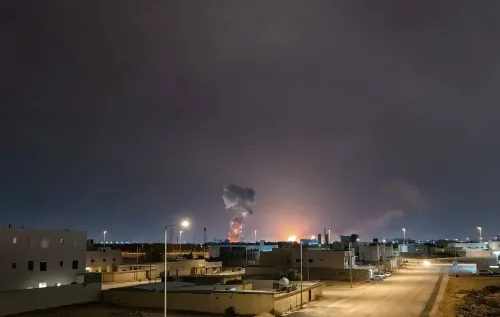
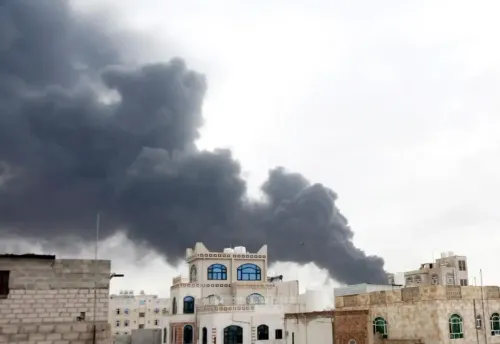
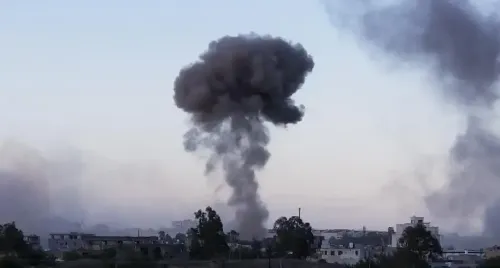
Yemen's Houthi group on Saturday, 15 August accused Saudi Arabia of launching artillery and missile strikes on areas along Yemen's northern border in the province of Saada, marking a sharp escalation in hostilities between the two sides. No casualties were immediately reported, and Saudi authorities had not issued any comment at the time of reporting.
What Was Targeted
According to the Houthi-affiliated broadcaster Al-Masirah TV, Saudi artillery fire struck the Al-Dhaher district in Saada province — a Houthi stronghold that shares a border with Saudi Arabia. Separately, the channel reported that heavy missile fire hit the Bani Sayyah area in Saada's border district of Razih, reportedly damaging farmland belonging to local residents.
The Trigger: Tit-for-Tat Escalation
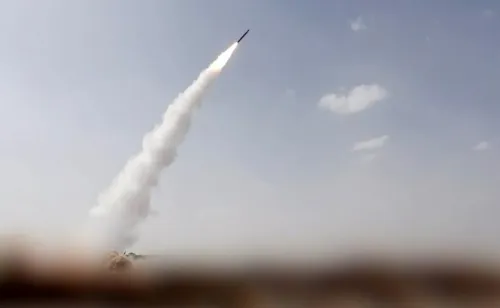
The reported shelling came a day after the Houthis claimed a drone strike on a facility belonging to Saudi state oil company Aramco in the southern region of Najran. The group described that strike as retaliation for an alleged incursion by Saudi warplanes into Saada's airspace — a claim that has not been independently verified.
Earlier on Tuesday, the Houthis said they had targeted what they described as a Saudi military equipment transport ship in the strategic Bab al-Mandab Strait, and also struck Saudi-backed forces in the government-held areas of Mocha and Marib. In a statement posted on social media platform X, the Houthis' military media centre said the group's forces had carried out an operation targeting 'a Saudi military equipment transport ship' in Bab al-Mandab, without identifying the vessel or providing further operational details.
Maritime Ban and Escalating Attacks
Tensions have risen sharply since 20 July, when the Houthis announced a maritime ban on Saudi shipping, citing an alleged Saudi blockade of Houthi-held areas — a claim Riyadh rejects. Since then, the Houthis have claimed a series of attacks on Saudi tankers, energy facilities, and airports, while also intensifying missile and drone strikes on government-held areas across Yemen.
Background: A Decade of Conflict
Yemen has been mired in conflict since late 2014, when the Houthis seized the capital Sanaa and much of northern Yemen. A Saudi-led coalition intervened the following year in support of the internationally recognised Yemeni government. A United Nations (UN)-brokered truce that took effect in April 2022 expired six months later without a formal extension. A fragile de facto ceasefire had broadly contained direct Saudi-Houthi hostilities until the present escalation cycle began.
With both sides trading strikes across multiple domains — air, land, and sea — the prospect of a return to sustained large-scale hostilities appears to be growing, and international observers are watching the Bab al-Mandab Strait closely given its critical role in global shipping lanes.
Point of View
Drone strikes on critical energy infrastructure, and maritime interdiction in one of the world's most consequential shipping chokepoints. The Houthi maritime ban on Saudi shipping, announced on 20 July, is the structural trigger that mainstream coverage has underweighted; the tit-for-tat strikes are symptoms, not the cause. Riyadh's silence on each incident is itself a strategic choice — avoiding formal acknowledgement limits escalatory pressure but also leaves the narrative to Al-Masirah TV. The real risk is not a single dramatic strike but a slow-burn normalisation of multi-domain hostilities that erodes the 2022 ceasefire architecture entirely, with no replacement framework in sight.
NationPress
30 Sept 2026
Frequently Asked Questions
What did the Houthis accuse Saudi Arabia of on 15 August?
The Houthi group accused Saudi forces of launching artillery and missile strikes on the Al-Dhaher district and the Bani Sayyah area in Saada province along Yemen's northern border. The strikes reportedly damaged farmland; no casualties were immediately confirmed.
Why did the Houthis strike an Aramco facility in Najran?
The Houthis said the drone strike on the Aramco facility in Najran on 14 August was retaliation for an alleged incursion by Saudi warplanes into Saada's airspace. Saudi Arabia had not confirmed or commented on the alleged airspace violation.
What is the Houthi maritime ban on Saudi shipping?
On 20 July, the Houthis announced a ban on Saudi shipping, citing what they described as a Saudi blockade of Houthi-held areas in Yemen. Riyadh rejects that characterisation. Since the ban, the Houthis have claimed multiple attacks on Saudi tankers, energy facilities, and airports.
What happened to the UN-brokered truce in Yemen?
A UN-brokered truce that took effect in April 2022 expired six months later without a formal extension. A fragile de facto ceasefire broadly held between Saudi Arabia and the Houthis until the current escalation cycle began in July 2025.
Why is the Bab al-Mandab Strait significant in this conflict?
The Bab al-Mandab Strait is one of the world's most critical maritime chokepoints, connecting the Red Sea to the Gulf of Aden. The Houthis claimed to have targeted a Saudi military equipment transport ship there on Tuesday, raising concerns about the safety of commercial and military shipping through the waterway.