Houthi-STC clashes erupt in Al-Dhalea as Houthis announce mobilisation
Synopsis
A day after the Houthis unveiled a new General Mobilisation Forces command in Sanaa, coordinated attacks on STC positions in Al-Dhalea province triggered hours of intense fighting — the latest flashpoint in a war that has defied repeated ceasefires since 2014. With the Houthis simultaneously warning Israel over Lebanon, Yemen's multiple conflict layers are converging at once.
Key Takeaways
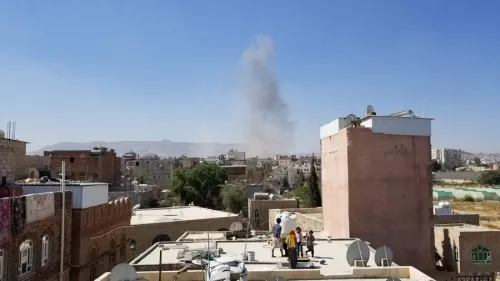
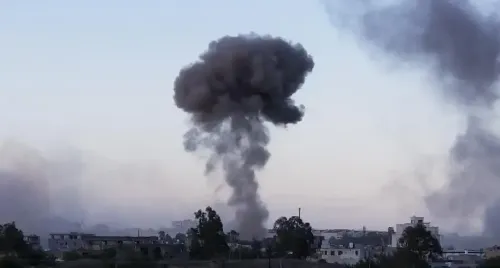
Houthi militants launched coordinated attacks on STC positions in Battar and Tabat Othman , northwest of Al-Dhalea , on Tuesday, 23 June .
STC forces repelled the attacks 'after hours of intense armed confrontations,' according to a military official; casualties were reported on both sides with no official figures released.
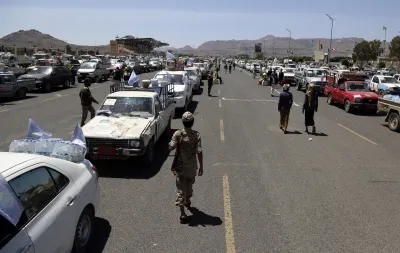
The clashes came a day after the Houthis' newly-formed General Mobilisation Forces in Sanaa announced readiness to reinforce frontline units.
Yemen has been at war since late 2014 ; a UN-mediated truce from April 2022 expired after six months, with a fragile 'de facto ceasefire' holding since.
On 20 June , the Houthis warned Israel against expanding operations in Lebanon , accusing it of violating an Iran-US ceasefire MoU .
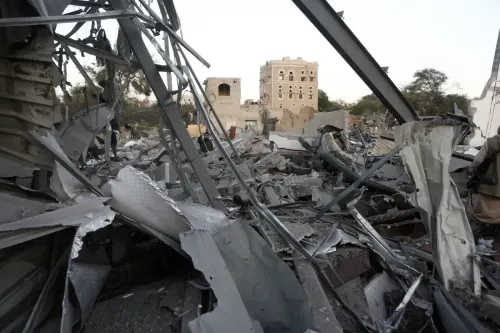
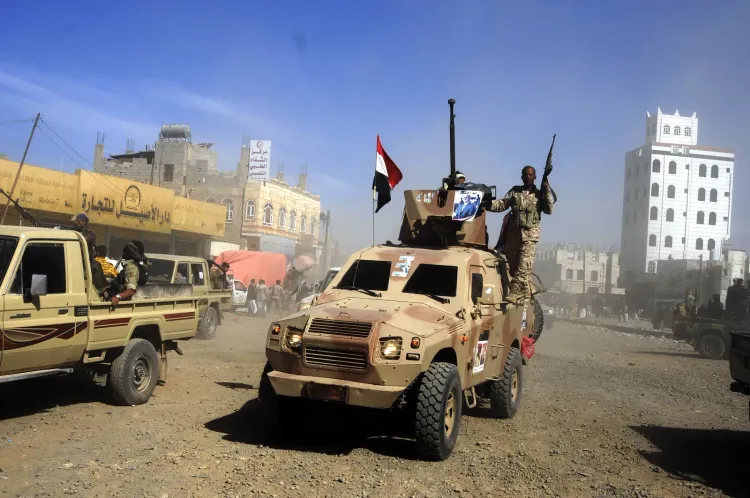
Fierce clashes broke out on Tuesday, 23 June between Houthi militants and forces loyal to the pro-secession Yemen's Southern Transitional Council (STC) in the southern province of Al-Dhalea, marking a sharp escalation in a conflict that has simmered for years. The fighting unfolded a day after the Houthis unveiled a newly-formed General Mobilisation Forces command in the capital Sanaa, signalling intent to reinforce frontline units across multiple battle zones.
How the Fighting Began
According to a military official who spoke on condition of anonymity, Houthi militants launched coordinated assaults on STC positions in the Battar and Tabat Othman areas, located northwest of Al-Dhalea. STC troops responded with medium and heavy weapons. The official said the attacks were 'repelled after hours of intense armed confrontations.' Casualties were reported on both sides, though no official figures were immediately available. The Houthi group had not issued any comment on the clashes at the time of reporting.
The Mobilisation Backdrop
The timing of the clashes is significant. On Monday, 22 June, the Houthis' newly-constituted General Mobilisation Forces publicly announced their readiness to deploy reinforcements to active frontlines. Critics argue such announcements are as much a political signal as a military one — projecting strength at a moment when the group faces pressure on multiple fronts. Notably, this is the latest in a series of sporadic confrontations that have persisted despite an informal 'de facto ceasefire' that has broadly held since the expiry of a UN-mediated truce in late 2022.
Yemen's Conflict in Context
Yemen has been engulfed in war since late 2014, when Houthi forces seized control of Sanaa, triggering a military intervention the following year by a Saudi-led coalition in support of the internationally recognised government. A UN-brokered ceasefire that took effect in April 2022 was renewed twice and held for approximately six months before lapsing. The Al-Dhalea province, a contested zone between the Houthis and the STC — which seeks independence for southern Yemen — has repeatedly been a flashpoint even during periods of relative calm.
Houthi Warnings on Regional Escalation
Separately, the Houthis on Friday, 20 June warned Israel against expanding military operations in Lebanon, stating through their Al-Masirah television channel that they were prepared to respond to 'any further escalation in the region.' The group accused Israel of violating an Iran-US ceasefire Memorandum of Understanding (MoU) that reportedly covers multiple fronts, including Lebanon, and alleged that continued Israeli military actions risked undermining regional de-escalation efforts. The Houthis reiterated that the 'axis of resistance' would not remain passive in the face of what they described as ongoing aggression by the United States and Israel.
What to Watch
The convergence of fresh ground fighting in Al-Dhalea and the Houthis' mobilisation announcement raises the prospect of renewed large-scale hostilities in southern Yemen. International observers will be watching whether the STC, which controls much of Aden and the south, escalates its response, and whether the UN or regional powers step in to contain the flare-up before it unravels the fragile de facto ceasefire.
Point of View
The STC's southern separatism, and the Houthis' self-styled role in the broader Iran-led 'axis of resistance.' The General Mobilisation Forces announcement a day before the fighting is unlikely to be coincidental; it suggests the Houthis are deliberately signalling capacity at a moment when international attention is on Lebanon and Gaza. What mainstream coverage tends to underplay is that the STC, backed by the UAE, has its own expansionist logic in the south — making any durable ceasefire dependent on resolving a political question that no mediation process has seriously addressed. The de facto ceasefire is holding in name only.
NationPress
22 Sept 2026
Frequently Asked Questions
What triggered the Houthi-STC clashes in Al-Dhalea on 23 June?
Houthi militants launched coordinated attacks on STC positions in the Battar and Tabat Othman areas northwest of Al-Dhalea on Tuesday, 23 June. STC forces responded with medium and heavy weapons and reportedly repelled the assault after hours of fighting.
What is the Yemen Southern Transitional Council (STC)?
The STC is a pro-secession political and military body that seeks independence for southern Yemen. It controls much of Aden and the south and is backed by the UAE. It has been a rival to both the Houthis and the internationally recognised Yemeni government.
What is the Houthi General Mobilisation Forces announcement?
On Monday, 22 June, the Houthis announced the formation of General Mobilisation Forces in Sanaa, declaring readiness to deploy reinforcements to active frontlines across Yemen. The announcement came just a day before the Al-Dhalea clashes.
Is Yemen's ceasefire still in effect?
A UN-mediated truce that began in April 2022 was renewed twice but expired after roughly six months. Both sides have broadly maintained a 'de facto ceasefire' since then, though sporadic clashes — including the latest in Al-Dhalea — have continued in contested regions.
Why did the Houthis warn Israel over Lebanon?
On 20 June, the Houthis warned Israel against expanding military operations in Lebanon, accusing it of violating an Iran-US ceasefire Memorandum of Understanding covering multiple fronts. The group said the 'axis of resistance' would not remain passive and reiterated its readiness to respond to any further regional escalation.