Jaishankar chairs India-Africa mission meet in Addis Ababa, pushes UNSC reform
Synopsis
EAM Jaishankar used a rare conference of all India's Africa-based envoys in Addis Ababa to reframe the India-Africa relationship — moving it from historical solidarity to a capability-first, non-prescriptive partnership model — while making an explicit push for Africa's fair representation in a reformed UN Security Council. It is a deliberate signal that India wants to be Africa's partner of choice in a contested geopolitical landscape.
Key Takeaways
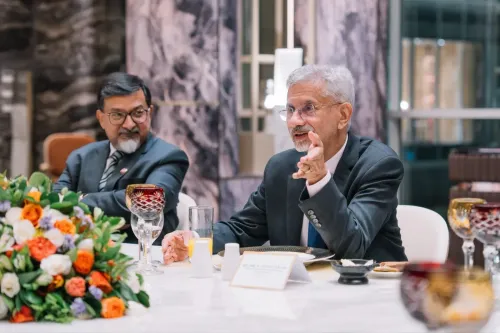
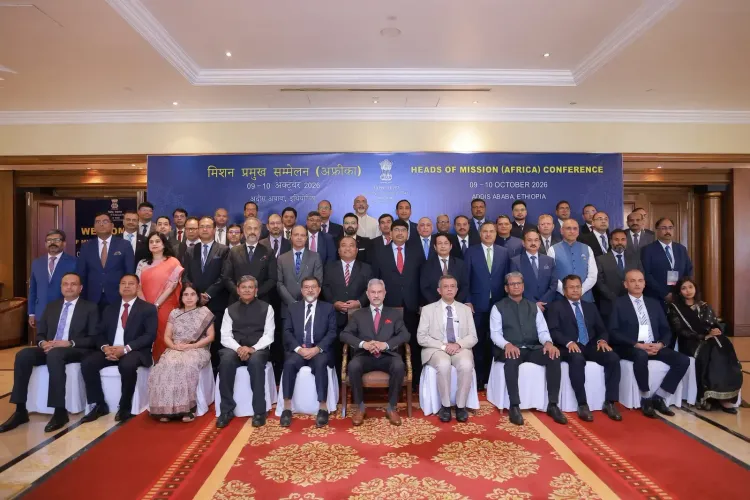
Jaishankar chaired a conference of India's Heads of Mission in Africa in Addis Ababa on 10 October .
Discussions covered trade, investments, connectivity, development partnership, and capacity building .
Jaishankar called for partnerships that 'help create capabilities, not promote dependencies' — rejecting conditional aid models.
India pushed for UN Security Council reform with fair African representation in both elected and permanent categories, in line with the Ezulwini Consensus and the Sirte Declaration .
India secured permanent African Union membership in the G20 during its 2023 Presidency , and Jaishankar said the same logic now applies to UNSC reform.
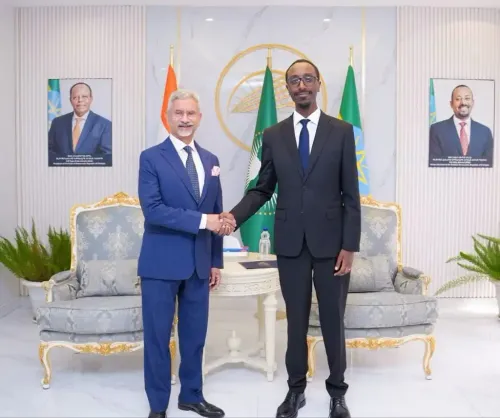
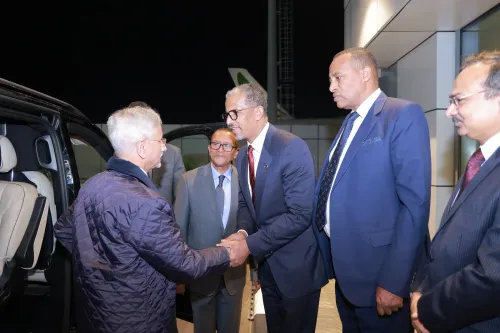
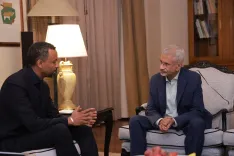
External Affairs Minister S. Jaishankar on Saturday, 10 October chaired a conference of India's Heads of Mission in Africa in Addis Ababa, reaffirming that India and Africa share deep linkages rooted in Global South solidarity, strategic autonomy, multipolarity, and common development aspirations. The high-level gathering underscored New Delhi's intent to move its Africa engagement well beyond historical rhetoric and into concrete partnership.
What Was Discussed
In a post on X, Jaishankar said delegates held 'in-depth discussions on taking forward our partnership across trade, investments, connectivity, development partnership, and capacity building.' The conference brought together India's top diplomatic representatives stationed across the African continent, signalling a coordinated push to align mission-level strategy with the Centre's broader foreign policy priorities.
Jaishankar's Vision for India-Africa Ties
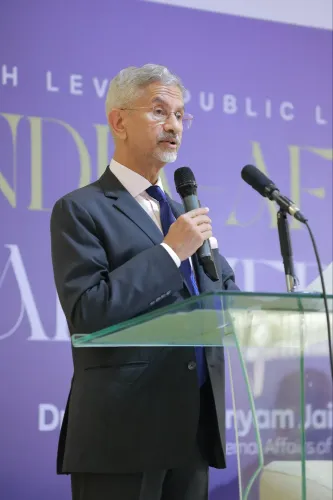
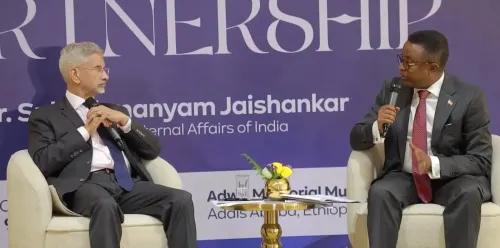
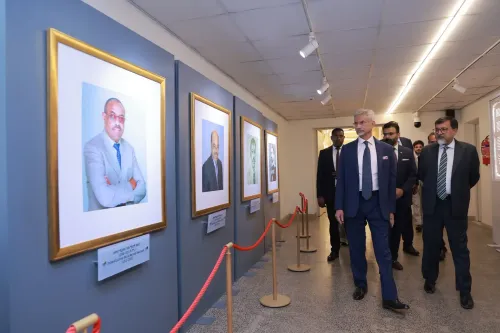
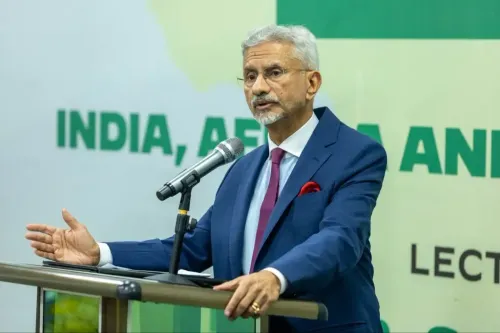
The Addis Ababa conference followed a major address Jaishankar delivered on Friday at the Adwa Memorial Museum in the Ethiopian capital, where he laid out a forward-looking framework for the bilateral partnership. He argued that partnerships of the future must 'help create capabilities, not promote dependencies' — a pointed critique of conditional aid models that have drawn criticism from developing nations.
Jaishankar stressed that the central question animating the Global South remains 'who gets to decide our future,' adding that this shared concern is precisely what brings India and Africa together. 'It is no longer sufficient to describe India and Africa only through the vocabulary of historical solidarity. History has given us trust,' he said, calling for the relationship to now evolve into one of mutual capability-building and shared prosperity.
He emphasised that development partnerships 'need not be prescriptive, condescending or conditional. They can be based on respect and equality, shared capabilities, and most of all, shared prosperity.'
Push for UN Security Council Reform
On global governance, Jaishankar drew a direct line from India's G20 Presidency in 2023 — during which New Delhi secured permanent membership for the African Union in the grouping — to the ongoing push for reform of the UN Security Council. He said 'the same logic now applies to the reform process of the UN Security Council.'
Reform, he argued, 'is not merely to add more seats around an old table. It is to make global governance more democratic, more responsive, and more representative.' Jaishankar specifically called for Africa to be represented fairly in both categories of Council membership — elected and permanent — in line with the Ezulwini Consensus and the Sirte Declaration, the two foundational African positions on UNSC reform.
Why This Matters
India's diplomatic outreach to Africa has intensified in recent years, as New Delhi seeks to consolidate its standing as a leading voice of the Global South against a backdrop of intensifying great-power competition for influence on the continent. This is the latest in a series of high-level engagements that includes the India-Africa Forum Summit process and India's active role in multilateral platforms. Notably, the emphasis on non-prescriptive partnerships implicitly positions India as an alternative to both Western conditionality-based aid and China's infrastructure-debt model.
With UNSC reform gaining fresh momentum and Africa's geopolitical weight growing, the outcomes of this Addis Ababa conference are likely to shape India's Africa strategy heading into the next round of multilateral negotiations.
Point of View
And it will resonate on a continent that has grown wary of both. The UNSC reform push is smart politics: India needs African votes for its own permanent seat ambitions, and championing Africa's cause is the most credible way to earn them. The harder question is whether India can back the rhetoric with the scale of trade, investment, and technology transfer that African nations actually need.
NationPress
11 Oct 2026
Frequently Asked Questions
What did EAM Jaishankar discuss at the Addis Ababa conference?
Jaishankar chaired a conference of India's Heads of Mission in Africa on 10 October in Addis Ababa, where delegates held in-depth discussions on advancing the India-Africa partnership across trade, investments, connectivity, development cooperation, and capacity building. The meeting aimed to align India's diplomatic missions across Africa with New Delhi's broader foreign policy priorities.
What did Jaishankar say about UN Security Council reform?
Jaishankar called for a reformed UN Security Council that gives Africa fair representation in both elected and permanent membership categories, in line with the Ezulwini Consensus and the Sirte Declaration. He said reform should make global governance 'more democratic, more responsive, and more representative' — not merely add seats to an unchanged structure.
How does India's G20 Presidency connect to the Africa agenda?
During India's G20 Presidency in 2023, New Delhi secured permanent membership for the African Union in the grouping. Jaishankar said the same logic that drove that push now applies to the ongoing UNSC reform process, framing both moves as part of a consistent effort to amplify African voices in global governance.
What is India's model for development partnerships with Africa?
Jaishankar argued that development partnerships should 'help create capabilities, not promote dependencies,' and must be 'based on respect and equality, shared capabilities, and most of all, shared prosperity.' This positions India's model as non-prescriptive and non-conditional, in contrast to some Western aid frameworks and debt-linked infrastructure deals.
Why is India deepening its engagement with Africa now?
India has been intensifying Africa outreach as part of its broader Global South leadership ambitions, amid growing great-power competition for influence on the continent. The Addis Ababa conference is part of a sustained diplomatic push that includes the India-Africa Forum Summit process and India's active multilateral engagement at the G20 and the UN.