India at AZEC 2024: Misri backs strong supply chains, clean energy future
Synopsis
India's Foreign Secretary Vikram Misri took centre stage at the 4th AZEC Leaders' Meeting in Manila, backing Japan's BRIDGE Asia tech initiative and signalling New Delhi's intent to anchor itself in Asia's clean energy supply chain architecture — a quietly significant geopolitical pivot as the race for net-zero infrastructure heats up across the continent.
Key Takeaways
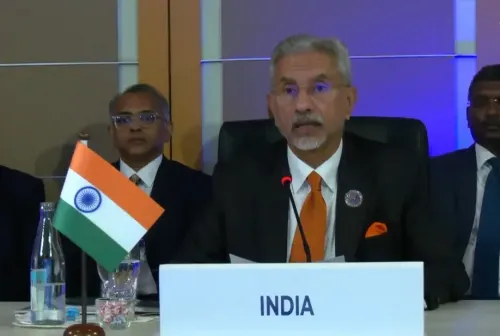
Foreign Secretary Vikram Misri represented India at the 4th AZEC Leaders' Meeting in Manila, Philippines on 17 November 2026 .
India welcomed Japan's BRIDGE Asia initiative on joint research in new technologies.
India affirmed readiness to work with like-minded partners on strong supply chains and a secure energy future for Asia.
AZEC is a 11-nation platform for carbon neutrality cooperation, co-hosted by Japan and Philippines .
Australian PM Anthony Albanese cited ongoing energy market disruptions as a reason to accelerate the clean energy transition.
Foreign Secretary Vikram Misri represented India at the fourth Asia Zero Emissions Community (AZEC) Leaders' Meeting in Manila, Philippines, on Tuesday, 17 November 2026, signalling New Delhi's intent to deepen regional energy partnerships as Asia accelerates its net-zero transition. India expressed readiness to work with like-minded partners to build resilient supply chains and secure energy access across the continent.
India's Position at the AZEC Forum
In his remarks, Misri welcomed Japan's BRIDGE Asia initiative on joint research in new and emerging technologies. He underscored India's commitment to engaging with partner nations on clean energy infrastructure and supply chain security — framing it as both an economic and strategic priority for the region.
The Ministry of External Affairs (MEA) shared details of India's participation on social media platform X, stating: 'At the 4th AZEC Leaders' Meeting, India welcomed Japan's BRIDGE Asia initiative on joint research in new technologies. India will keep working with like-minded partners for strong supply chains and a secure energy future for Asia.'
What AZEC Is and Why It Matters
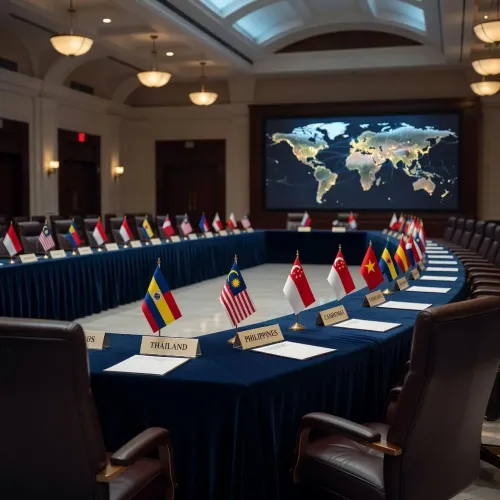
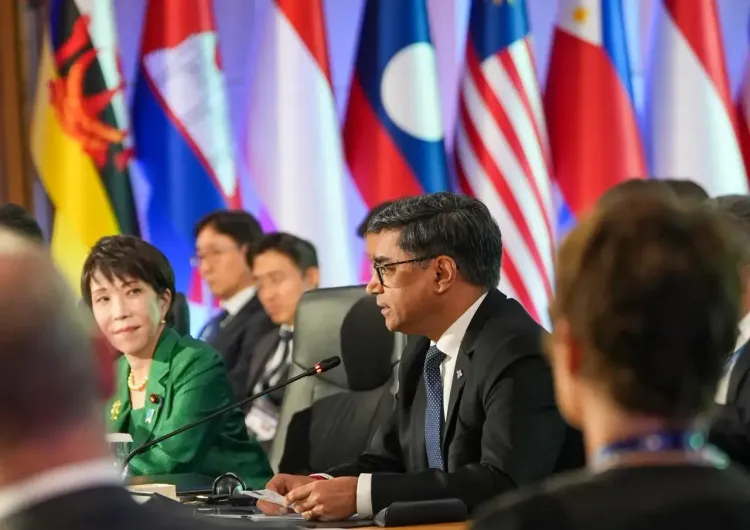
The Asia Zero Emission Community (AZEC) is a multilateral cooperation platform focused on advancing carbon neutrality and net-zero emissions across the Asia region. It currently brings together 11 partner nations: Australia, Brunei Darussalam, Cambodia, Indonesia, Japan, Lao PDR, Malaysia, Philippines, Singapore, Thailand, and Vietnam. The forum was co-hosted by Japan and Philippines in Manila on Tuesday.
Notably, India's participation as a partner nation reflects New Delhi's growing engagement with plurilateral energy groupings — a shift from its historically cautious stance on multilateral climate commitments. This comes amid intensifying global competition over critical mineral supply chains and clean energy technology, where Asia is shaping up as the central theatre.
Australia Underlines Energy Security Urgency
Australian Prime Minister Anthony Albanese addressed the meeting, thanking Japanese Prime Minister Sanae Takaichi for her leadership of AZEC, calling it an 'excellent example of Japan's support of regional energy security.'
Albanese stressed that recent disruptions to international energy markets had reinforced the case for diversified, resilient energy systems. 'Since we last met, ongoing disruptions to international energy markets have reinforced the importance of secure, reliable and affordable energy,' he said. 'The clean energy transition offers an opportunity to diversify our energy systems to strengthen our resilience to future shocks and better navigate volatility.'
He added: 'Australia is committed to working with partners to strengthen our shared energy security and capture the mutual benefits of the clean energy transition. Each of us will follow a different pathway to net zero, but we share a common goal: A secure, affordable and prosperous net zero future.'
Broader Context: Asia's Clean Energy Race
The AZEC meeting takes place against a backdrop of heightened competition over green technology supply chains, with countries racing to secure access to batteries, solar modules, and rare earth materials. For India — which is simultaneously expanding domestic renewable capacity and seeking strategic technology partnerships — engagements like AZEC serve a dual purpose: clean energy access and supply chain diversification away from single-source dependencies.
As the forum heads into its next phase, the operationalisation of Japan's BRIDGE Asia initiative and the shape of bilateral commitments emerging from Manila will be closely watched by both industry and policymakers across the region.
Point of View
The window for strategic positioning is narrowing.
NationPress
17 Nov 2026
Frequently Asked Questions
What is the AZEC Leaders' Meeting and which countries are part of it?
The Asia Zero Emission Community (AZEC) is a multilateral platform for cooperation on carbon neutrality and net-zero emissions in Asia. It comprises 11 nations: Australia, Brunei Darussalam, Cambodia, Indonesia, Japan, Lao PDR, Malaysia, Philippines, Singapore, Thailand, and Vietnam. The 4th Leaders' Meeting was co-hosted by Japan and Philippines in Manila on 17 November 2026.
Why did India's Foreign Secretary attend the AZEC meeting?
Foreign Secretary Vikram Misri represented India at the 4th AZEC Leaders' Meeting in Manila to reaffirm New Delhi's commitment to clean energy cooperation and supply chain resilience in Asia. India expressed support for Japan's BRIDGE Asia initiative and signalled its intent to work with like-minded partners on a secure energy future for the region.
What is Japan's BRIDGE Asia initiative?
Japan's BRIDGE Asia initiative focuses on joint research in new and emerging energy technologies among partner nations within the AZEC framework. India welcomed the initiative at the Manila meeting as part of its broader push for collaborative clean energy technology development.
What did Australian PM Anthony Albanese say at the AZEC meeting?
Australian Prime Minister Anthony Albanese thanked Japanese PM Sanae Takaichi for her leadership of AZEC and stressed the urgency of diversified, resilient energy systems. He said ongoing disruptions to international energy markets had reinforced the importance of secure, affordable energy, and reaffirmed Australia's commitment to the clean energy transition alongside regional partners.
What does India's AZEC participation mean for its energy and foreign policy?
India's engagement at AZEC reflects a strategic push to integrate into Asia's clean energy supply chain architecture at a time of intensifying global competition over green technologies and critical minerals. By backing the BRIDGE Asia initiative, India signals openness to technology-sharing partnerships that could support its domestic renewable energy expansion goals.