India-Japan talks advance people-to-people ties, human resource plan
Synopsis
India and Japan are moving beyond diplomatic pleasantries into structured cooperation — from a human resource action plan to a five-sector economic security framework covering semiconductors, critical minerals, clean energy, ICT, and pharmaceuticals. The back-to-back engagements in Tokyo and New Delhi signal a deliberate acceleration of the bilateral agenda anchored in the Japan-India Joint Vision for the Next Decade.
Key Takeaways
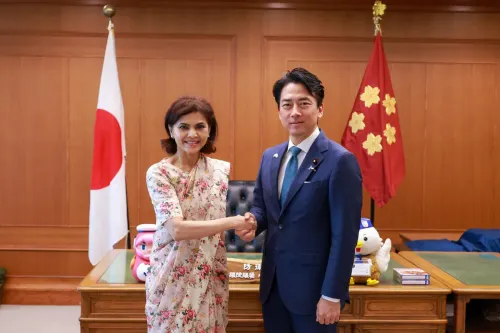
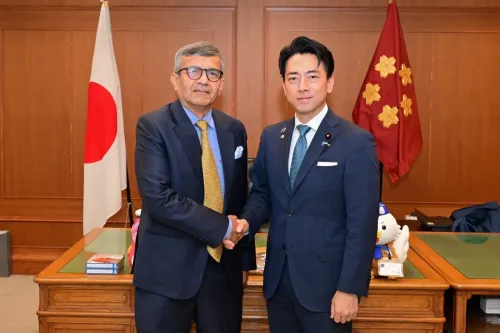
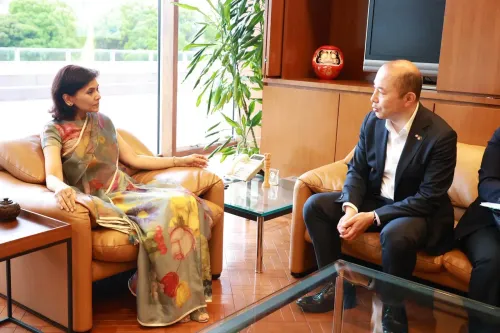
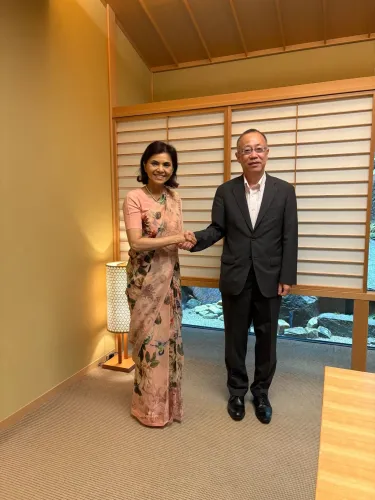
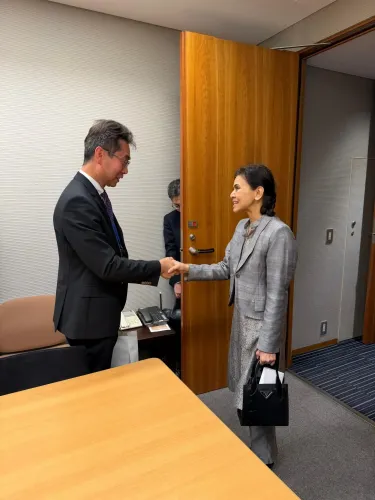
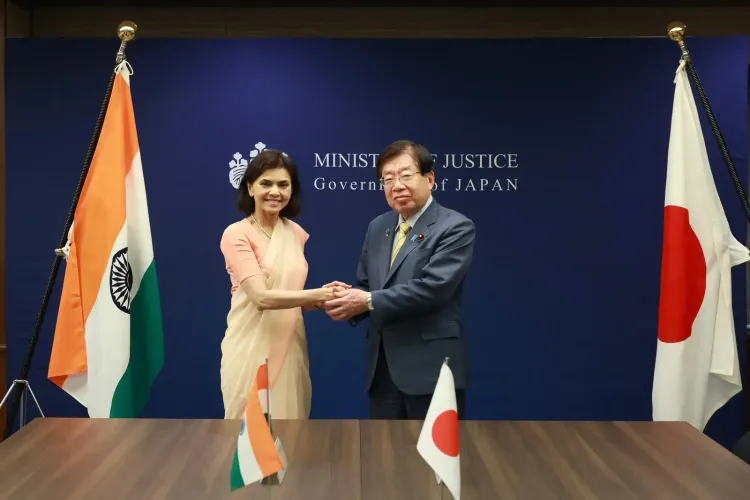
India's Ambassador Nagma Mallick met Japan's Justice Minister Hiroshi Hiraguchi in Tokyo on 18 May to discuss people-to-people exchanges and the India-Japan Action Plan on Human Resource Exchange and Cooperation .
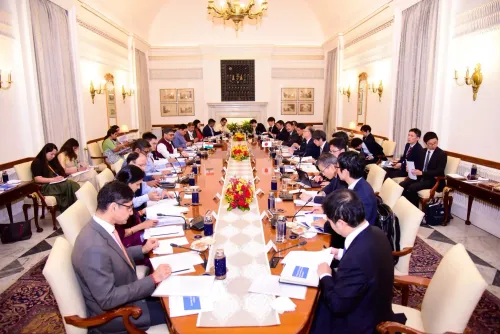
On 11 May , India and Japan held the second India-Japan Economic Security Dialogue in New Delhi , co-chaired by Foreign Secretary Vikram Misri .
Both sides agreed to deepen collaboration in five priority sectors : semiconductors, critical minerals, ICT, clean energy, and pharmaceuticals.
Officials discussed economic security challenges including economic coercion, non-market practices, and overproduction.
The partnership is anchored in the 'Japan-India Joint Vision for the Next Decade' , announced during PM Modi's Japan visit in August last year .
India and Japan on Monday, 18 May held high-level discussions in Tokyo to advance people-to-people exchanges and other issues of mutual interest, as the two nations continue to deepen their strategic partnership across diplomacy, economic security, and supply chain resilience.
Key Meeting in Tokyo
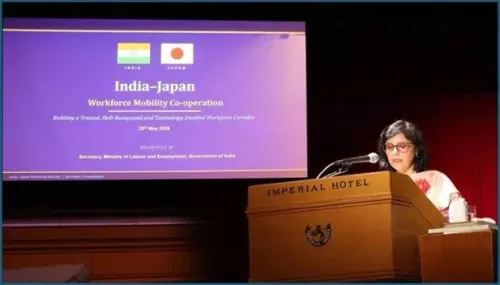
India's Ambassador to Japan Nagma Mallick met Hiroshi Hiraguchi, Japan's Minister of Justice, to discuss bilateral people-to-people connectivity. The talks centred on the India-Japan Action Plan on Human Resource Exchange and Cooperation, a framework aimed at facilitating the movement of skilled workers and strengthening cultural ties between the two countries. The Indian Embassy in Japan confirmed the meeting through a post on X.
Economic Security Dialogue Gains Momentum
The Tokyo talks follow a significant engagement on 11 May in New Delhi, where India and Japan held the second round of the India-Japan Economic Security Dialogue. Foreign Secretary Vikram Misri co-chaired the session alongside Japan's Vice Minister of Foreign Affairs Takehiro Funakoshi and Vice Minister for International Affairs at the Ministry of Economy, Trade and Industry Takehiko Matsuo.
Both sides agreed to deepen collaboration in strategic industrial sectors with a focus on enhancing supply chain resilience. Officials shared assessments of economic security challenges facing both nations, including economic coercion, non-market policies and practices, and overproduction concerns.
Five Priority Sectors in Focus
Discussions also addressed issues raised in the Japan-India Private Sector Economic Security Dialogue, with policy recommendations revolving around five priority areas identified in the Japan-India Joint Statement from August last year: semiconductors, critical minerals, information and communication technology, clean energy, and pharmaceuticals. Both sides agreed to promote concrete cooperation in these sectors, taking into account the perspectives of businesses, according to a statement from Japan's Ministry of Foreign Affairs.
Indo-Pacific and Middle East on the Agenda
The two countries also held the Japan-India Foreign Vice-Ministers' Dialogue, during which officials discussed the evolving situation in the Indo-Pacific region and the Middle East, including developments involving Iran. They agreed to cooperate on securing energy and resource supplies and strengthening supply chain resilience for critical goods in light of current regional tensions.
Long-Term Vision Reaffirmed
Japan's Ministry of Foreign Affairs stated that both sides reaffirmed their commitment to building a complementary relationship across a wide range of areas, guided by the 'Japan-India Joint Vision for the Next Decade' — announced during Prime Minister Narendra Modi's visit to Japan in August last year. The statement underscored the intent to accelerate cooperation in economic growth through investment, innovation, and economic security, with the public and private sectors working in tandem under the Takaichi administration's priorities.
With five strategic sectors now formally prioritised and a human resource action plan under active discussion, the India-Japan partnership appears set for a more institutionalised phase of engagement in the months ahead.
Point of View
Language that signals alignment with a broader democratic-economy bloc without naming China directly. The five priority sectors mirror those in US-India and Quad frameworks, suggesting India is quietly building a convergent supply-chain architecture across its key partnerships. The real test will be whether the private-sector dialogue translates into actual investment commitments, or remains a consultative layer that generates recommendations without binding outcomes.
NationPress
19 Sept 2026
Frequently Asked Questions
What did India and Japan discuss in Tokyo on 18 May 2025?
India's Ambassador Nagma Mallick and Japan's Justice Minister Hiroshi Hiraguchi discussed ways to advance people-to-people exchanges and the India-Japan Action Plan on Human Resource Exchange and Cooperation, along with other issues of mutual interest.
What is the India-Japan Economic Security Dialogue?
It is a bilateral forum where senior officials from India and Japan coordinate on shared economic security challenges, including supply chain resilience, critical sector cooperation, and responses to non-market practices. The second round was held in New Delhi on 11 May 2025.
Which sectors are the focus of India-Japan economic security cooperation?
The two countries have identified five priority sectors: semiconductors, critical minerals, information and communication technology, clean energy, and pharmaceuticals — as outlined in the Japan-India Joint Statement from August last year.
What is the 'Japan-India Joint Vision for the Next Decade'?
It is a long-term bilateral framework announced during Prime Minister Narendra Modi's visit to Japan in August last year, guiding cooperation across economic growth, investment, innovation, and economic security with both public and private sector involvement.
Why did India and Japan discuss the Middle East and Indo-Pacific?
During the Japan-India Foreign Vice-Ministers' Dialogue, officials addressed evolving regional situations including developments involving Iran, and agreed to cooperate on securing energy and resource supplies and strengthening supply chains for critical goods amid current Middle East tensions.