India-Bangladesh parliamentary ties: Trivedi meets Speaker, Deputy Speaker in Dhaka
Synopsis
India's High Commissioner Dinesh Trivedi held back-to-back meetings with Bangladesh's parliamentary leadership and a senior minister in Dhaka, pushing for Parliamentary Friendship Groups, delegation exchanges, and digitisation of records — while urging both sides to look forward rather than dwell on past tensions.
Key Takeaways
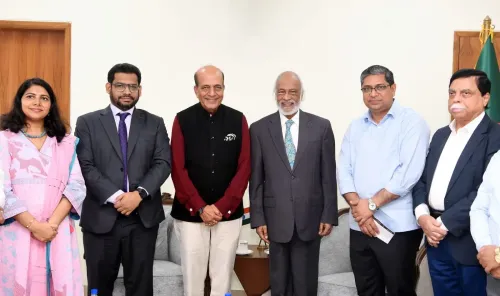
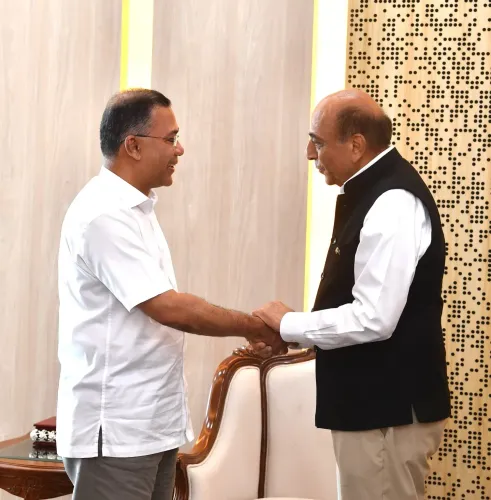
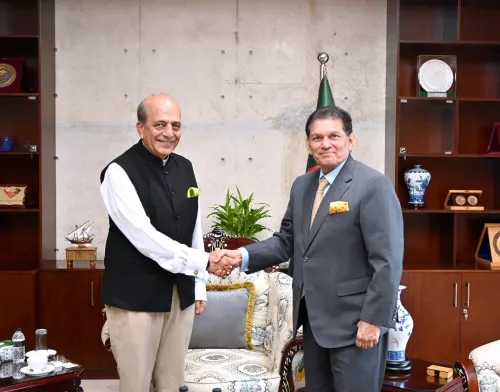
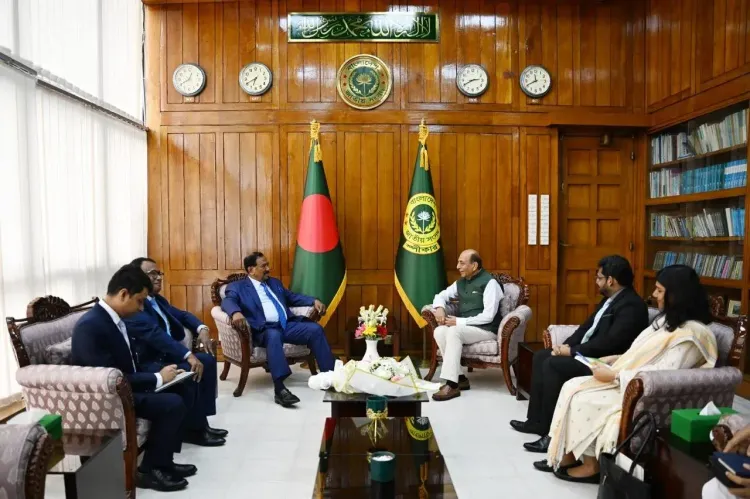
Dinesh Trivedi , India's High Commissioner to Bangladesh, met Speaker Hafiz Uddin Ahmad and Deputy Speaker Kayser Kamal at the Parliament in Dhaka on 2 September .
Talks covered formation of Parliamentary Friendship Groups , mutual delegation visits, inter-committee cooperation, and digitisation of parliamentary records .
Trivedi renewed Lok Sabha Speaker Om Birla's invitation to Bangladeshi dignitaries to visit India.
On Tuesday, Trivedi met Minister Abdul Moyeen Khan and called on both nations to move past historical grievances to protect development and people-to-people ties.
Trivedi also extended greetings on the 48th founding anniversary of the Bangladesh Nationalist Party (BNP) .
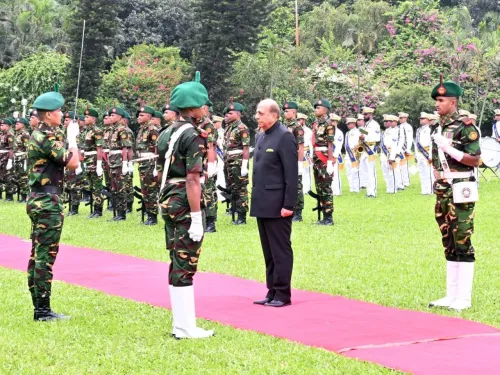
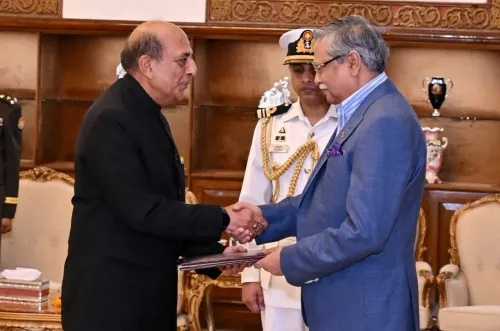
India's High Commissioner to Bangladesh, Dinesh Trivedi, held separate meetings with Bangladesh's Speaker of the National Parliament, Hafiz Uddin Ahmad, and Deputy Speaker Kayser Kamal on Wednesday, 2 September at the Parliament building in Dhaka, with discussions centred on deepening parliamentary cooperation and people-to-people ties between the two neighbours.
Key Developments from the Parliamentary Meetings
Trivedi underscored the importance of legislative engagement in building closer bonds between the citizens of both countries. The Indian High Commission in Dhaka, in a post on X, quoted him as saying: 'High Commissioner underlined that engagement between the two Parliaments is vital to strengthen people-to-people ties between the two sovereign, democratic countries of India and Bangladesh.'
The talks covered a broad agenda, including the formation of Parliamentary Friendship Groups, mutual visits by parliamentary delegations under the guidance of both Speakers, cooperation between parliamentary committees, and the digitisation of parliamentary records — a notable technical dimension to an otherwise diplomatic exchange.
Lok Sabha Speaker's Invitation Reiterated
Trivedi also renewed the invitation extended by Lok Sabha Speaker Om Birla to the Bangladeshi dignitaries to visit India at their earliest convenience. The gesture signals New Delhi's intent to formalise inter-parliamentary linkages through structured exchanges rather than ad hoc diplomatic contacts.
Trivedi's Broader Message: Move Beyond the Past
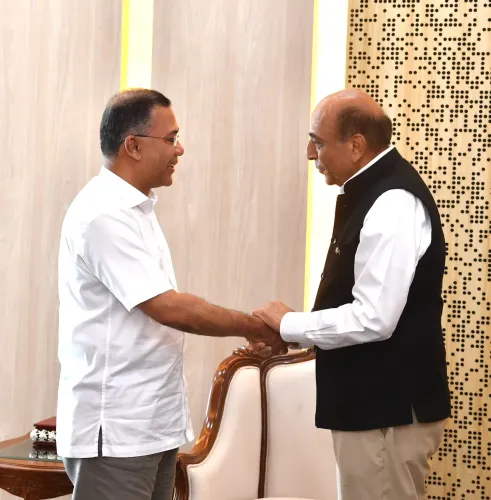
A day earlier, on Tuesday, Trivedi had addressed reporters after a courtesy meeting with Bangladesh's Local Government, Rural Development and Cooperatives Minister Abdul Moyeen Khan at the Secretariat in Dhaka. Bangladesh's Minister of State for Foreign Affairs Mir Shahe Alam was also present.
Trivedi stressed the need for both countries to move forward by acknowledging each other's challenges, rather than remaining anchored to past grievances. 'We have to appreciate Bangladesh's democratic challenges, and Bangladesh also has to appreciate India's challenges. Keeping these challenges in mind, we have to move forward,' he said, according to The Dhaka Tribune.
He was equally emphatic on the principle of sovereign equality: 'As neighbours, we are equal. Nobody is big, nobody is small.' On the question of history, he acknowledged that the past cannot be erased, but cautioned against fixation on it: 'If we get stuck in the past, development works will not happen.'
Bilateral Cooperation and Local Governance
During the meeting with Minister Abdul Moyeen Khan, discussions focused on advancing bilateral cooperation and strengthening local government frameworks — described by the Indian High Commission as 'a shared priority of the two democracies.' Trivedi also conveyed greetings on the occasion of the 48th founding anniversary of the ruling Bangladesh Nationalist Party (BNP).
The Indian High Commission stated on X that talks centred on 'deepening the people-to-people ties between India and Bangladesh' and strengthening local government structures. With parliamentary and administrative channels both activated in the space of two days, the diplomatic outreach signals a concerted effort by New Delhi to reset and reinforce bilateral engagement at multiple levels.
Point of View
The Secretariat on Tuesday — is less routine courtesy and more a calibrated reset. His 'nobody is big, nobody is small' formulation is a deliberate departure from the asymmetric framing that has periodically strained India-Bangladesh ties, and it is directed as much at domestic Bangladeshi audiences as at officials across the table. The push for Parliamentary Friendship Groups and digitisation of records suggests New Delhi wants institutionalised links that outlast individual governments — a hedge against the political volatility that has historically disrupted bilateral momentum. Whether Dhaka reciprocates with equal institutional energy, particularly under a BNP-led administration with its own historical reservations about India, remains the open question.
NationPress
2 Sept 2026
Frequently Asked Questions
What did India's High Commissioner Dinesh Trivedi discuss with Bangladesh's parliamentary leadership?
Trivedi met Speaker Hafiz Uddin Ahmad and Deputy Speaker Kayser Kamal on 2 September in Dhaka to discuss deepening parliamentary cooperation. Topics included Parliamentary Friendship Groups, mutual delegation visits, inter-committee cooperation, and digitisation of parliamentary records.
What invitation did Trivedi extend to Bangladesh's parliamentary leaders?
Trivedi reiterated an invitation from Lok Sabha Speaker Om Birla for the Bangladeshi dignitaries to visit India at their earliest convenience, signalling New Delhi's intent to formalise inter-parliamentary exchanges.
What did Trivedi say about India-Bangladesh bilateral relations?
Trivedi called on both countries to move beyond past grievances, saying 'If we get stuck in the past, development works will not happen.' He also emphasised sovereign equality, stating 'As neighbours, we are equal. Nobody is big, nobody is small.'
Who else did Trivedi meet during his Dhaka engagements?
On Tuesday, Trivedi met Bangladesh's Local Government Minister Abdul Moyeen Khan and Minister of State for Foreign Affairs Mir Shahe Alam at the Secretariat in Dhaka. Discussions focused on bilateral cooperation and strengthening local government frameworks.
Why is India pushing for stronger parliamentary ties with Bangladesh?
New Delhi views inter-parliamentary engagement as a way to institutionalise bilateral ties beyond government-to-government diplomacy, ensuring people-to-people connections remain robust even amid political changes in either country.