Israel strikes southern Lebanon after Hezbollah drone attack on troops
Synopsis
A Hezbollah drone attack on Israeli troops at Ali al-Taher Ridge has triggered fresh Israeli airstrikes across southern Lebanon — striking Nabatieh, Arab Salim, and Zawtar — just months after a US-brokered ceasefire. With 4,353 Lebanese dead since March and Israeli forces still on seized ground, the June truce looks increasingly fragile.
Key Takeaways
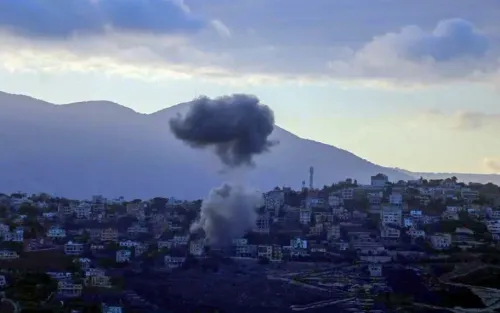
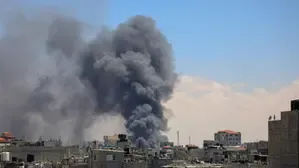
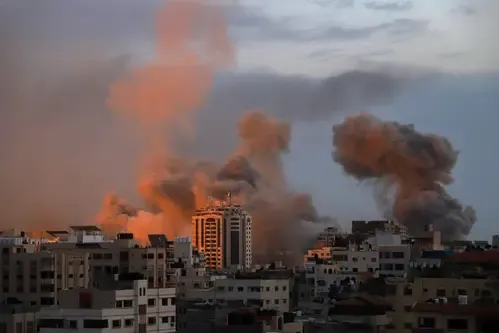
Israel launched airstrikes and artillery fire on southern Lebanon on 2 September after Hezbollah sent two explosive drones at Israeli troops at Ali al-Taher Ridge .
The Israeli military intercepted one drone; no casualties were immediately reported.
Strikes hit Nabatieh al-Fawqa , Arab Salim , and the Ali al-Taher Ridge , with machine-gun fire towards Zawtar al-Sharqiyah .
Israeli attacks have killed 4,353 people in Lebanon since the current round of fighting began in March , according to Lebanon's Ministry of Public Health .
A US-brokered ceasefire in June reduced large-scale fighting, but Israeli military operations in southern Lebanon have continued.
Lebanese Prime Minister Nawaf Salam vowed displaced residents would return 'safely and with dignity' and called for Lebanon to hold sole authority over war-and-peace decisions.
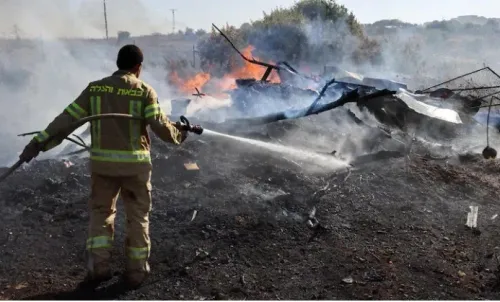
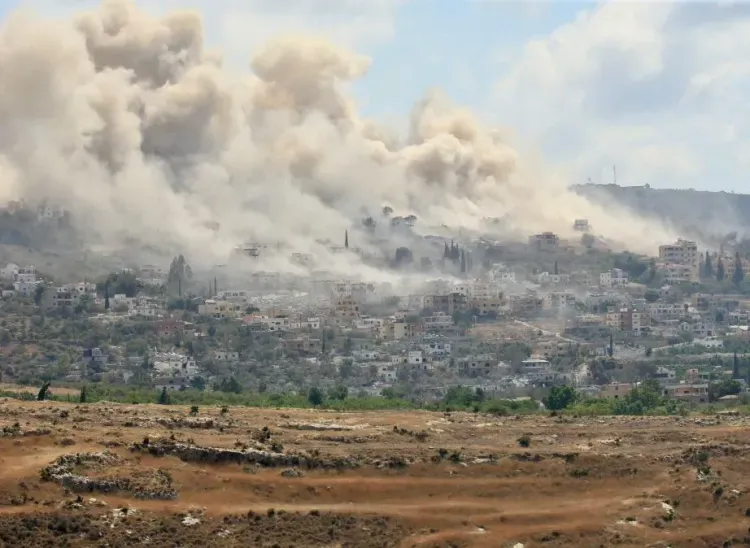
Israel launched airstrikes and artillery fire on southern Lebanon on Wednesday, 2 September, after Hezbollah sent two explosive drones overnight targeting Israeli troops stationed at the Ali al-Taher Ridge — the latest and most direct challenge to the June ceasefire brokered by the United States. The Israeli military said one drone was intercepted, with no casualties immediately reported.
Targets Hit and Scale of Strikes
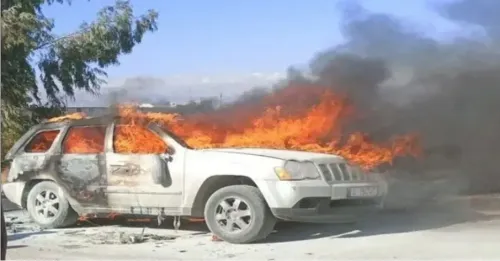
According to Lebanon's National News Agency (NNA), Israeli shelling and airstrikes struck the villages of Nabatieh al-Fawqa, Arab Salim, and the Ali al-Taher Ridge, with machine-gun fire directed towards Zawtar al-Sharqiyah. The Israeli military said in a statement that it had targeted Hezbollah infrastructure in the Nabatieh area, including sites it described as being used to plan and direct attacks against Israeli forces.
The strikes were not isolated. On Sunday, Israeli warplanes hit an area between Zawtar al-Sharqiyah and Mayfadoun at around 7 pm, and later struck a corridor between Zawtar and Arnoun. Israeli forces also carried out large explosions in Arnoun al-Shaqif and on the outskirts of Yahmar al-Shaqif, the NNA reported. A drone additionally struck the outskirts of Nabatieh al-Fawqa, while Israeli forces conducted a machine-gun sweep from Haddatha toward the outskirts of Aita al-Jabal.
The Ceasefire Under Strain
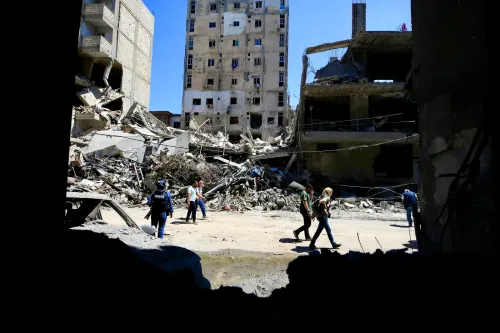
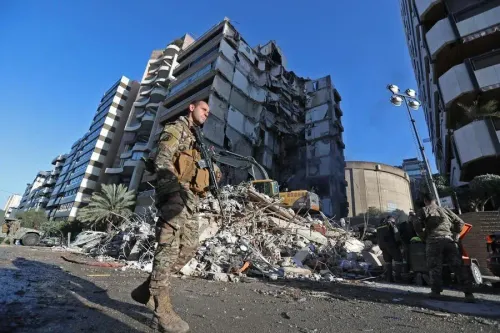
A US-brokered ceasefire in June significantly reduced large-scale fighting between Israel and Hezbollah, but Israeli military operations in southern Lebanon have continued unabated. Israeli troops reportedly remain in territory seized during the latest phase of conflict. Operations have included airstrikes, ground incursions, artillery bombardments, and demolition work, according to the NNA — a pattern that critics argue constitutes a de facto continuation of hostilities despite the truce.
This comes amid a broader humanitarian toll: Israeli attacks have killed 4,353 people in Lebanon during the current round of fighting that began in March, according to a report issued by Lebanon's Emergency Operations Center of the Ministry of Public Health on Tuesday.
Beirut's Response: Sovereignty and Dignity
Lebanese Prime Minister Nawaf Salam addressed the escalating situation on Sunday, vowing that residents displaced from southern Lebanon would return 'safely and with dignity.' In a formal statement, Salam said the south 'should not remain an open arena for wars and conflicts decided outside Lebanon,' and insisted that the Lebanese state must hold sole authority over decisions of war and peace. His remarks signal growing pressure on the Lebanese government to assert sovereignty even as its military capacity to do so remains constrained.
What Comes Next
The Hezbollah drone strike and Israel's retaliatory response raise fresh questions about the durability of the June ceasefire arrangement. With Israeli forces still present in seized Lebanese territory and cross-border incidents recurring, analysts warn that the truce exists more on paper than on the ground. The coming days will test whether diplomatic channels — particularly US engagement — can prevent the situation from escalating into a broader confrontation.
Point of View
Not a genuine halt to hostilities. Israel's continued presence on seized Lebanese territory and its ongoing demolition and strike operations give Hezbollah both grievance and pretext. The Lebanese government's rhetorical assertion of sovereignty rings hollow without a mechanism to enforce it — and Washington, the ceasefire's architect, has yet to publicly pressure either side into compliance. At 4,353 dead, the human cost is not a footnote; it is the story.
NationPress
2 Sept 2026
Frequently Asked Questions
Why did Israel strike southern Lebanon on 2 September?
Israel struck southern Lebanon on 2 September in response to Hezbollah launching two explosive drones overnight at Israeli troops stationed at the Ali al-Taher Ridge. The Israeli military said it targeted Hezbollah infrastructure used to plan and direct attacks against its forces.
What is the current death toll from Israeli attacks in Lebanon?
According to a report issued by Lebanon's Emergency Operations Center of the Ministry of Public Health on Tuesday, Israeli attacks have killed 4,353 people in Lebanon during the current round of fighting, which began in March.
Is the June ceasefire between Israel and Hezbollah still holding?
The US-brokered ceasefire agreed in June reduced large-scale fighting, but it has not halted Israeli military operations in southern Lebanon. Airstrikes, ground incursions, artillery bombardments, and demolition work have continued, and Israeli troops remain in territory seized during the latest conflict.
What did Lebanese Prime Minister Nawaf Salam say about the situation?
Lebanese Prime Minister Nawaf Salam vowed on Sunday that displaced residents of southern Lebanon would return 'safely and with dignity.' He stated that the south should not remain an open arena for conflicts decided outside Lebanon, and that the state must hold sole authority over decisions of war and peace.
Which areas of Lebanon were hit in the latest Israeli strikes?
According to Lebanon's National News Agency, Israeli shelling and airstrikes targeted Nabatieh al-Fawqa, Arab Salim, and the Ali al-Taher Ridge, with machine-gun fire directed towards Zawtar al-Sharqiyah. Previous strikes also hit areas between Zawtar al-Sharqiyah and Mayfadoun, and Arnoun al-Shaqif.