India must double electricity's share to 50% by 2047, says CEA chief
Synopsis
India's power sector chief has put a hard number on the country's electrification challenge: electricity must go from 22% to 50% of total energy use by 2047. Backed by record 64,000 MW capacity additions last year and ₹4 lakh crore in transmission investment, the scale of the build-out required is staggering — and the clock is ticking.
Key Takeaways
CEA Chairperson Ghanshyam Prasad said electricity must rise from 22% to 45–50% of India's total energy consumption by 2047 .
India added a record 64,000 MW of generation capacity last year; renewables contributed over 50,000 MW of that total.
The country is targeting up to 70,000 MW of fresh capacity in the current year.
India aims for 100 GW of pumped hydro storage by 2035–36 and 100 GW of nuclear power by 2047 .
Non-fossil fuel installed capacity has crossed 300 GW , according to the Ministry of Power .
Transmission projects worth ₹4 lakh crore are underway to evacuate 266 GW of capacity.
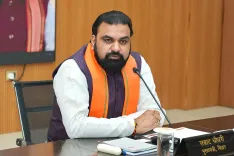
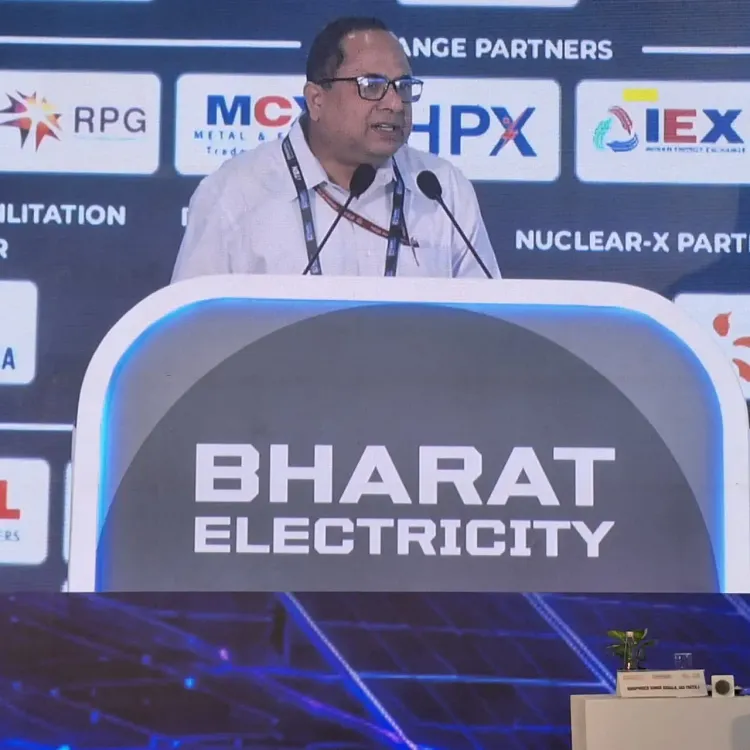
India will need to more than double electricity's share in its total energy mix — from the current 22 per cent to 45–50 per cent by 2047 — to meet its net-zero ambitions and achieve developed-economy status, Central Electricity Authority (CEA) Chairperson Ghanshyam Prasad said on Wednesday, 2 September. Speaking at the Bharat Electricity, POWERGEN India and Indian Utility Week 2026 conference in New Delhi, Prasad outlined an ambitious transformation of the country's power sector over the next two decades.
The Electrification Target
'The power sector is tasked with expanding this share to 45–50 per cent by 2047, taking on the growing loads of industry, mobility and digital infrastructure,' Prasad said. He noted that rising demand from industry, transport, and digital infrastructure makes this shift not just desirable but essential. At present, electricity accounts for roughly one-fifth of India's total energy consumption — a figure that must more than double within roughly two decades.
Record Capacity Additions and Near-Term Targets
India added a record 64,000 MW of generation capacity last year, with renewable energy accounting for more than 50,000 MW of that total. The country is now targeting up to 70,000 MW of fresh capacity in the current year, which would surpass the previous record. 'We are likely to surpass last year's addition this year and are targeting up to 70,000 MW of fresh capacity,' Prasad said. Beyond near-term additions, India is aiming for 100 GW of pumped hydro storage capacity by 2035–36 and 100 GW of nuclear power by 2047.
Renewable Capacity Crosses 300 GW
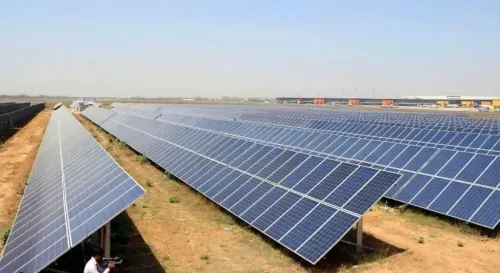
Dr D Sai Baba, Additional Secretary in the Ministry of Power, told the conference that India has already crossed 300 GW of non-fossil fuel-based installed power capacity. He stressed that the next challenge lies in translating raw renewable capacity into reliable and affordable electricity for end consumers. 'Our challenge is to convert this renewable capacity into reliable, affordable power at the right place and time, building a grid that is resilient, flexible and ready for the future,' he said.
Transmission Infrastructure and Grid Readiness
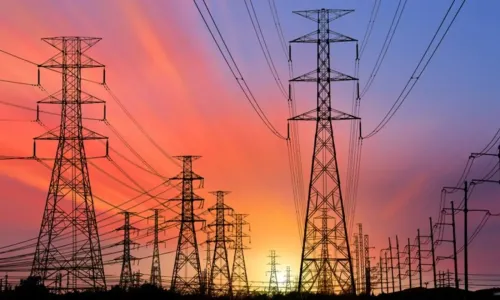
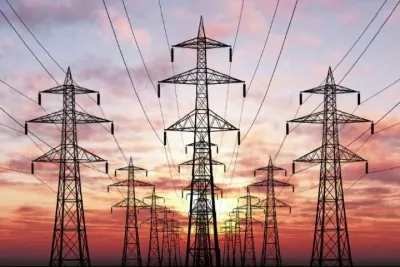
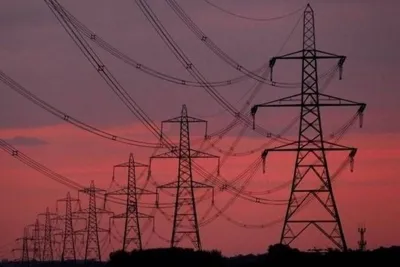
The CEA chief disclosed that transmission projects worth approximately ₹4 lakh crore are currently under implementation to evacuate 266 GW of generation capacity. Alongside this, plans are in place to create 600 GVA of transformation capacity. Prasad also said efforts are underway to provide grid connectivity to new renewable energy projects within 24–36 months — a timeline that, if met, would significantly reduce the lag between capacity creation and actual power delivery.
What This Means for India's Net-Zero Path
This comes amid growing international scrutiny of India's energy transition commitments ahead of upcoming climate negotiations. India has pledged to achieve net-zero emissions by 2070, but the pace of electrification across hard-to-abate sectors — steel, cement, heavy transport — will be a critical variable. Notably, the combination of record renewable additions, a massive transmission build-out, and long-duration storage targets signals a shift from capacity announcements to systemic grid transformation. Whether execution keeps pace with ambition will determine how credible India's net-zero trajectory looks to global investors and climate partners.
Point of View
But the gap between capacity installation and actual consumption shift is where India has historically stumbled. Adding gigawatts is one thing; ensuring that industry, mobility, and digital infrastructure actually switch from fossil fuels to the grid is another — and that requires pricing signals, regulatory clarity, and distribution reform that the conference did not address. The ₹4 lakh crore transmission push is necessary but not sufficient: without solving the last-mile reliability problem that Dr Sai Baba hinted at, renewable capacity will continue to sit underutilised. India's net-zero credibility increasingly rests not on installed capacity headlines, but on actual units of clean electricity consumed.
NationPress
2 Sept 2026
Frequently Asked Questions
What is India's electricity share target in the energy mix by 2047?
India aims to raise electricity's share in its total energy consumption from the current 22% to 45–50% by 2047, according to CEA Chairperson Ghanshyam Prasad. This doubling is seen as essential to meet net-zero ambitions and support growth in industry, transport, and digital infrastructure.
How much power generation capacity did India add last year?
India added a record 64,000 MW of generation capacity last year, with renewable energy accounting for more than 50,000 MW of that total. The country is now targeting up to 70,000 MW of fresh capacity in the current year.
What are India's pumped hydro and nuclear power targets?
India is targeting 100 GW of pumped hydro storage capacity by 2035–36 and 100 GW of nuclear power by 2047, as part of its long-term clean energy strategy.
How much has India invested in transmission infrastructure?
Transmission projects worth approximately ₹4 lakh crore are currently under implementation to evacuate 266 GW of generation capacity, alongside plans to create 600 GVA of transformation capacity.
Has India crossed 300 GW of renewable installed capacity?
Yes. According to Dr D Sai Baba, Additional Secretary in the Ministry of Power, India has crossed 300 GW of non-fossil fuel-based installed power capacity. The focus now is on converting that capacity into reliable and affordable electricity for consumers.