India-Brazil ICT MoU signed at BRICS meet to boost digital, telecom ties
Synopsis
On the sidelines of the BRICS Communications Ministers Meeting in Pune, India and Brazil quietly signed an ICT MoU that spans cybersecurity, satellite connectivity, and digital public infrastructure — a signal that India's digital diplomacy is increasingly finding bilateral traction within multilateral forums.
Key Takeaways
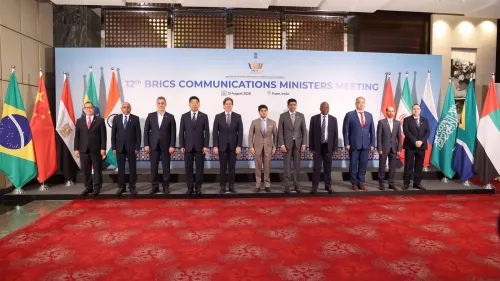
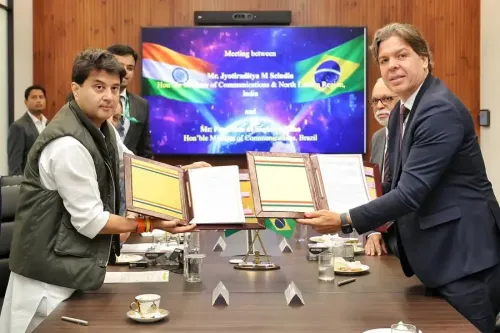
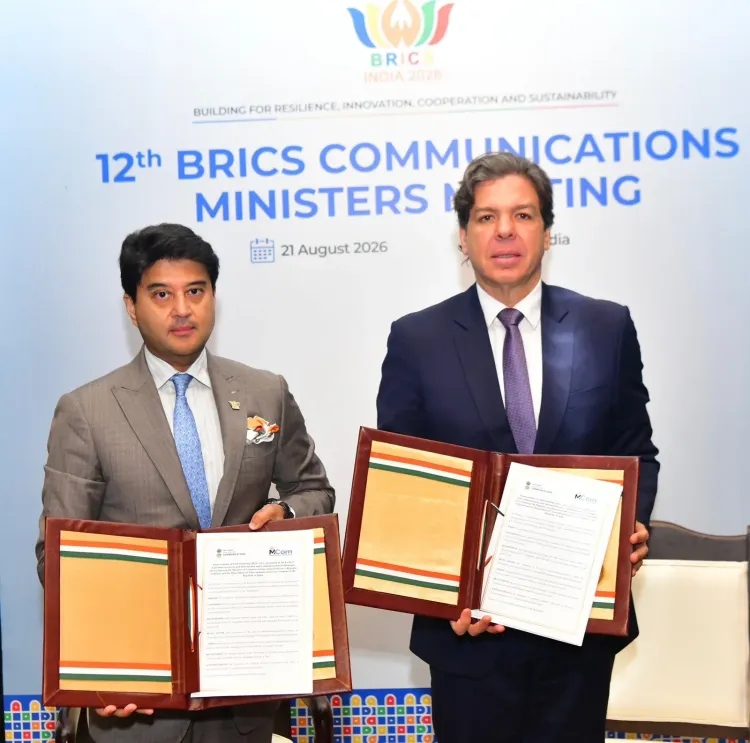
India and Brazil signed an ICT and telecom MoU on 21 August in Pune , on the sidelines of the 12th BRICS Communications Ministers Meeting .
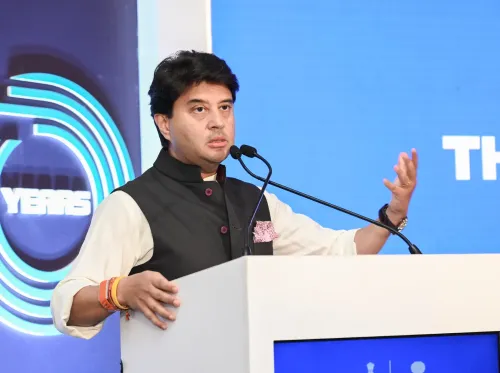
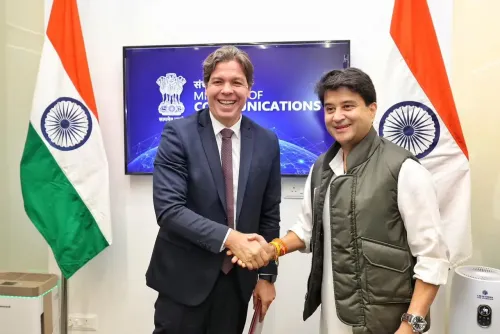
The MoU was signed by Union Minister Jyotiraditya M.
Scindia and Brazil's Minister Frederico de Siqueira Filho .
Key areas of cooperation include cybersecurity, digital public infrastructure, universal connectivity, emerging technologies , and capacity building.
The BRICS ICT Track Forum was institutionalised at the 7th BRICS Communications Ministers' Meeting hosted by India in 2021 .
Thematic discussions at the Pune meeting covered Child Online Protection , satellite systems , and climate-resilient ICT infrastructure .
India and Brazil on Friday, 21 August signed a memorandum of understanding (MoU) to deepen bilateral cooperation in telecommunications and information and communications technologies (ICTs), on the sidelines of the BRICS ICT Track Meeting in Pune. The Department of Telecommunications confirmed the development, describing it as a significant step toward advancing digital innovation and strengthening digital infrastructure between the two nations.
What the MoU Covers
The agreement was signed by Union Minister of Communications Jyotiraditya M. Scindia and H.E. Frederico de Siqueira Filho, Minister of Communications of Brazil, on the sidelines of the 12th BRICS Communications Ministers Meeting. According to the Department of Telecommunications, the MoU is designed to foster cooperation in emerging technologies and strengthen digital infrastructure across both countries.
In a post on X, Scindia said the agreement would deepen bilateral collaboration on 'universal connectivity, cybersecurity, digital public infrastructure, emerging technologies, capacity building and exchange of best practices.' He described the MoU as 'a strong step forward' in building a 'secure and inclusive digital future' for both nations.
The BRICS ICT Track Meeting in Pune
The Pune gathering drew government officials, industry leaders, academic institutions, startups, and research bodies from across BRICS member countries. The Forum was institutionalised at the 7th BRICS Communications Ministers' Meeting, hosted by India in 2021, and serves as the multi-stakeholder platform of the BRICS ICT Track.
The first thematic panel at the meeting focused on cybersecurity and Trustworthy ICTs, including Child Online Protection, addressing the security and trust dimensions of digital transformation. BRICS Ministers have consistently called for a balanced and holistic approach to digital development that safeguards privacy, public interest, and the protection of vulnerable users.
Sustainability and Connectivity on the Agenda
A second thematic discussion centred on Sustainable and Resilient Digital and ICT Ecosystems, covering universal, meaningful, and affordable connectivity, energy-efficient and climate-resilient infrastructure, and the role of emerging approaches including satellite and non-terrestrial systems.
Notably, this MoU comes at a time when India has been actively expanding its digital diplomacy footprint, leveraging BRICS platforms to forge bilateral tech partnerships beyond the traditional Western axis. For Brazil, deepening ICT ties with India aligns with its broader push to modernise digital infrastructure ahead of its own BRICS presidency priorities.
What Comes Next
The MoU sets the framework for structured cooperation, though specific implementation timelines and joint programmes have not yet been detailed publicly. Both governments are expected to establish working groups to operationalise the agreement across the identified priority areas, including cybersecurity frameworks and digital public infrastructure models.
Point of View
Cybersecurity, satellite systems — map closely onto India's own Stack exports ambition, suggesting New Delhi sees Brazil as a potential showcase market. What remains untested is whether these MoUs translate into concrete deployments or remain framework agreements. India has signed similar digital cooperation pacts across Africa and Southeast Asia; the execution record is mixed. The real measure will be whether a joint working group is actually constituted and whether India's DPI models find regulatory traction in Brazil's complex federal structure.
NationPress
5 Oct 2026
Frequently Asked Questions
What did India and Brazil sign at the BRICS meeting in Pune?
India and Brazil signed a memorandum of understanding (MoU) on telecommunications and information and communications technologies (ICTs) on 21 August, on the sidelines of the 12th BRICS Communications Ministers Meeting in Pune. The agreement covers cybersecurity, digital public infrastructure, universal connectivity, emerging technologies, and capacity building.
Who signed the India-Brazil ICT MoU?
The MoU was signed by Union Minister of Communications Jyotiraditya M. Scindia on behalf of India and H.E. Frederico de Siqueira Filho, Minister of Communications of Brazil, on behalf of Brazil.
What is the BRICS ICT Track Meeting?
The BRICS ICT Track Meeting is the multi-stakeholder platform for ICT cooperation among BRICS member countries, involving government officials, industry, academia, startups, and research institutions. It was institutionalised at the 7th BRICS Communications Ministers' Meeting hosted by India in 2021.
What topics were discussed at the Pune BRICS ICT meeting?
The Pune meeting featured two key thematic panels: one on cybersecurity and Trustworthy ICTs including Child Online Protection, and another on Sustainable and Resilient Digital and ICT Ecosystems covering affordable connectivity, climate-resilient infrastructure, and satellite and non-terrestrial systems.
Why does the India-Brazil ICT MoU matter?
The MoU creates a structured bilateral framework for digital cooperation between two of the world's largest emerging economies. It aligns with India's broader digital diplomacy push and Brazil's infrastructure modernisation goals, with potential implications for how India exports its digital public infrastructure models globally.