India, Canada eye defence ties, agree to deepen security cooperation
Synopsis
India and Canada are quietly building one of the most substantive bilateral security partnerships in years — covering defence, cybercrime, extradition and economic ties — just three years after their relationship nearly collapsed over the Nijjar affair. With PM Modi and PM Carney providing political direction and a CEPA deadline of end-2026, this is a diplomatic reset that is moving fast on multiple fronts simultaneously.
Key Takeaways
India and Canada agreed to explore a substantive bilateral defence relationship following talks in New Delhi on 7 October 2026 .
National Security Adviser Ajit Doval met Canadian adviser David Morrison as part of ongoing India-Canada security dialogue.
Cooperation agreed on terrorism , cybercrime , human and drug trafficking , extortion , and extradition of criminal offenders .
Structured dialogues on cybersecurity and economic security are being considered.
The fifth round of CEPA negotiations is under way, with a target to conclude by end of 2026 .
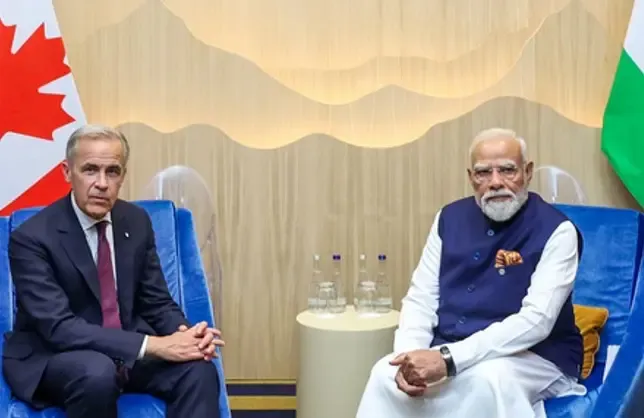
Both sides referenced direction provided by PM Modi and PM Carney at their March bilateral and the G7 Summit in Évian in June .
India and Canada are actively exploring a substantive bilateral defence relationship and have agreed to deepen cooperation on terrorism, organised crime, cybercrime, and extortion, as the two nations press ahead with rebuilding ties after years of diplomatic strain. The development follows high-level security talks held in New Delhi on 7 October 2026.
Key Developments from the Doval-Morrison Talks
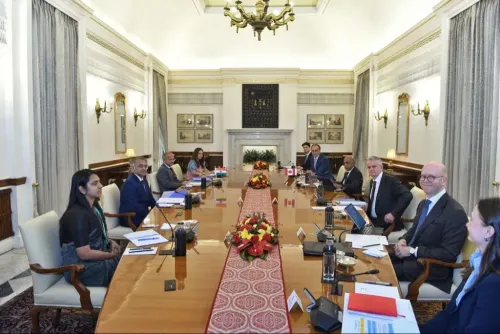
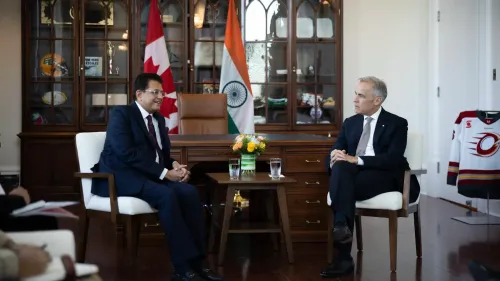
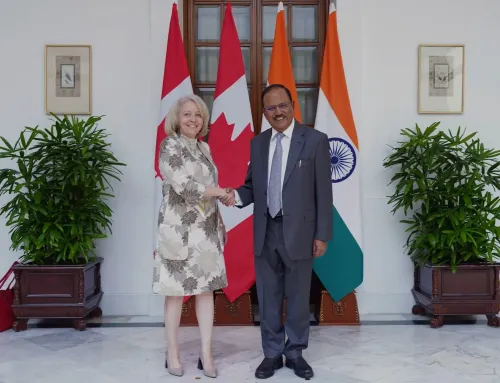
David Morrison, Senior Diplomatic and International Affairs Adviser to Canadian Prime Minister Mark Carney, met National Security Adviser Ajit Doval in New Delhi during a three-day visit from 5 to 7 October, which concluded on Wednesday. The meeting formed part of the ongoing India-Canada security dialogue at the level of national security advisers.
According to a Canadian government readout issued Wednesday, the two sides 'discussed the growing potential for advancing a substantive bilateral defence relationship in keeping with the vision of the leadership.' Both officials reviewed progress in bilateral security and law enforcement cooperation, including implementation of a Security Work Plan formalised in February.
Areas of Agreed Cooperation
The two sides agreed to deepen collaboration across a range of transnational threats, including terrorism and violent extremism, human and drug trafficking, cybercrime and extortion, and the extradition of criminal offenders. Structured dialogues on cybersecurity and economic security are also being considered, the readout noted.
Both governments agreed to strengthen existing institutional mechanisms and establish new communication channels where needed for the timely sharing of information on issues of mutual concern. This signals a move beyond ad hoc coordination toward a more formalised security architecture between the two countries.
Diplomatic Context: Rebuilding After Tensions
The talks represent a significant expansion of bilateral engagement beyond trade and investment. India-Canada relations had been severely strained following Ottawa's allegations in 2023 linking Indian agents to the killing of Khalistani separatist Hardeep Singh Nijjar on Canadian soil — allegations New Delhi firmly denied. The relationship has been on a careful recovery track since.
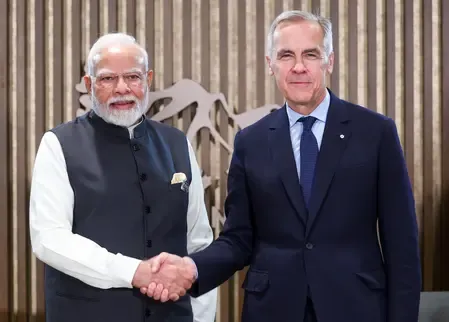
Notably, both officials referenced guidance provided by Prime Minister Narendra Modi and PM Carney during their bilateral meeting in New Delhi in March and subsequently on the sidelines of the G7 Summit in Évian in June. The Canadian government described the engagements over the past year as 'sustained and constructive,' guided by mutual trust and respect for each other's priorities.
CEPA Negotiations Moving in Parallel
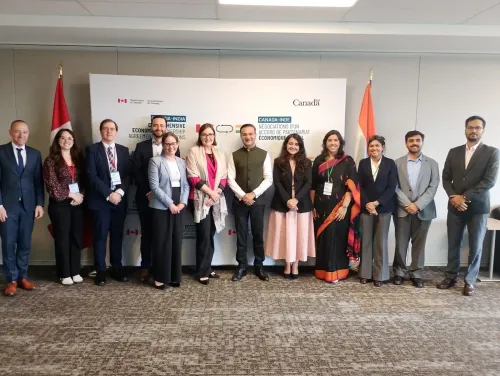
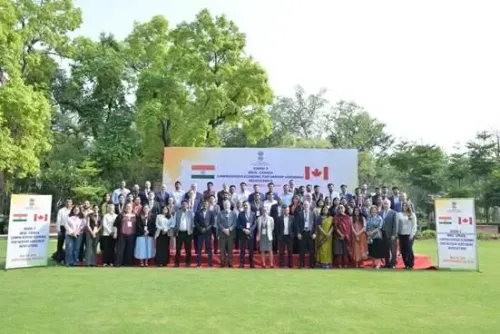
The security dialogue is advancing in tandem with an economic push. Morrison and Doval welcomed efforts to advance negotiations for a Comprehensive Economic Partnership Agreement (CEPA) between India and Canada. The fifth round of CEPA negotiations is currently under way, with both governments aiming to conclude an agreement by the end of 2026. The convergence of security and trade tracks underscores how comprehensively both sides are seeking to reset the bilateral relationship.
With high-level political endorsement, structured security dialogues in the pipeline, and CEPA talks accelerating, the India-Canada relationship appears set for a more institutionalised phase in the months ahead.
Point of View
Intelligence-sharing or joint exercise frameworks — suggests both governments have politically decided the bilateral relationship is too strategically valuable to sacrifice over the Nijjar dispute. What remains unresolved, however, is whether the underlying accountability question will resurface domestically in Canada, particularly given the ongoing inquiry there. A security partnership built on bracketing that issue is structurally fragile. The CEPA deadline of end-2026 adds economic urgency, but trade deals do not automatically insulate political relationships from hard truths.
NationPress
8 Oct 2026
Frequently Asked Questions
What did India and Canada agree to in their October 2026 security talks?
India and Canada agreed to explore a substantive bilateral defence relationship and deepen cooperation on terrorism, cybercrime, extortion, human and drug trafficking, and the extradition of criminal offenders. The two sides also considered establishing structured dialogues on cybersecurity and economic security.
Who represented India and Canada in the New Delhi talks?
National Security Adviser Ajit Doval represented India, while David Morrison, Senior Diplomatic and International Affairs Adviser to Canadian Prime Minister Mark Carney, led the Canadian side. Morrison visited New Delhi from 5 to 7 October at Doval's invitation.
What is the current status of India-Canada CEPA negotiations?
The fifth round of Comprehensive Economic Partnership Agreement (CEPA) negotiations between India and Canada is currently under way, with both governments targeting a conclusion by the end of 2026. The talks are advancing in parallel with the security dialogue.
How have India-Canada relations changed since the 2023 diplomatic crisis?
Relations were severely strained after Canada alleged Indian involvement in the killing of Hardeep Singh Nijjar in 2023, which New Delhi denied. Since then, guided by meetings between PM Modi and PM Carney in March 2026 and at the G7 in Évian in June 2026, both sides have pursued a careful diplomatic reset described by Canada as 'sustained and constructive.'
What is the India-Canada Security Work Plan?
The Security Work Plan is a bilateral framework formalised in February 2026 to structure law enforcement and security cooperation between India and Canada. Progress on its implementation was reviewed during the October 2026 talks between Doval and Morrison.