India-Canada CEPA talks advance, Modi visit in December may seal deal
Synopsis
India's envoy to Canada says the fourth round of CEPA negotiations is done and a deal could be ready for PM Modi to sign during his proposed December visit — an unusually fast timeline that reflects how dramatically India-Canada ties have been reset since the diplomatic chill of recent years. Energy, critical minerals, defence, and AI are all on the table.
Key Takeaways
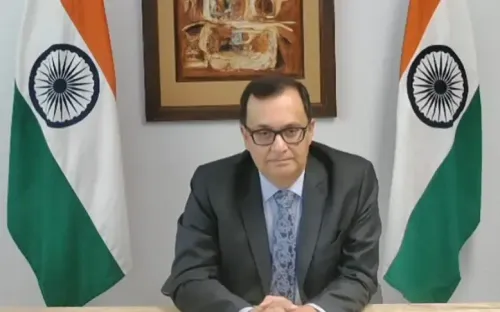
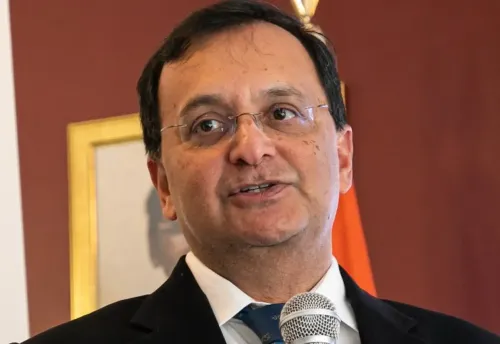
Indian High Commissioner Dinesh K.
Patnaik said on 14 October 2026 that India-Canada CEPA negotiations are advancing rapidly.
The fourth round of talks has concluded; a deal could be finalised by November 2026 .
PM Modi may sign the agreement during his proposed December 2026 visit to Canada.
The pact would reduce tariff and non-tariff barriers and ease movement of people, goods, and capital.
Canada is seen as a long-term supplier of energy, critical minerals, aerospace products , and AI solutions for India.
The deal reflects a full diplomatic reset across trade, investment, defence, aerospace, space, agri-food, and energy.
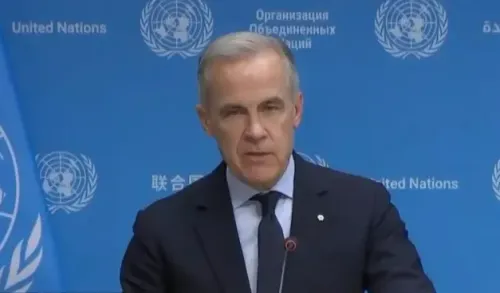
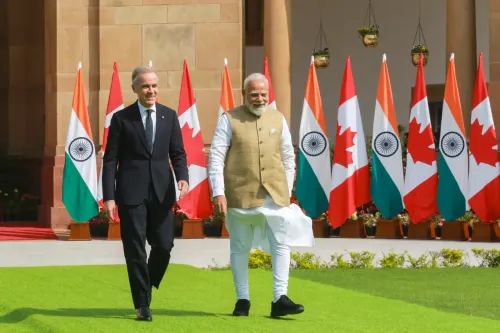
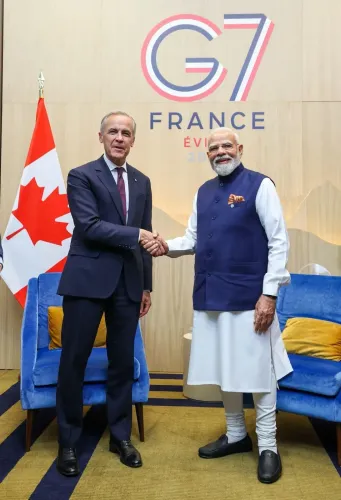
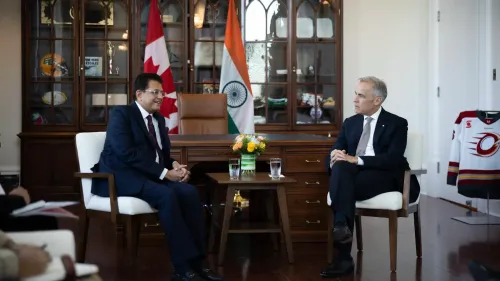
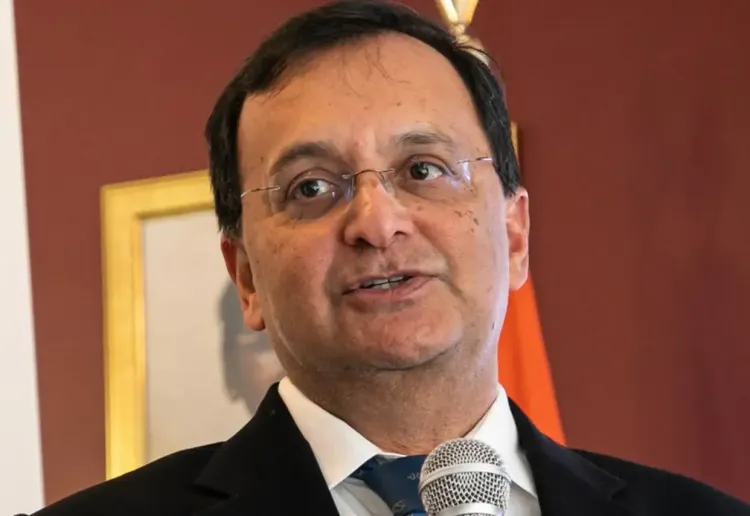
Indian High Commissioner to Canada Dinesh K. Patnaik said on Wednesday, 14 October 2026, that India and Canada are making rapid progress on the Comprehensive Economic Partnership Agreement (CEPA), with both sides targeting the conclusion of negotiations ahead of Prime Minister Narendra Modi's proposed visit to Canada in December. Patnaik expressed confidence that the pact could be finalised as early as November, consistent with a commitment made by Modi and Canadian Prime Minister Mark Carney to wrap up talks within a year of their launch.
State of Negotiations
The fourth round of CEPA negotiations has concluded, according to Patnaik, with discussions described as advancing quickly. The envoy indicated that India hopes to be in a position to formally sign the trade pact during Modi's December visit to Canada, signalling an unusually compressed diplomatic timeline for a deal of this scope.
This comes amid a broader reset in India-Canada ties, which had been strained for a period. According to Patnaik, the foundations of a comprehensive bilateral partnership have been restored across key sectors including trade, investment, defence, aerospace, space, agri-food, and energy.
What a CEPA Would Deliver
A finalised CEPA, Patnaik said, would reduce tariff and non-tariff barriers, address technical trade hurdles, and ease compliance requirements — making it significantly easier for businesses in both countries to operate across borders. The agreement is also expected to support increased investment flows, expand trade in services, and facilitate the movement of people, goods, and capital, giving a substantial boost to bilateral economic engagement.
Strategic and Resource Dimensions
Beyond trade in goods, the envoy underscored Canada's potential as a long-term supplier of energy, critical minerals, and aerospace products for India as the country pursues rapid economic expansion. Patnaik noted that India's growing economy would require larger quantities of resources, technology, and advanced products — spanning agri-food, defence equipment, space technology, and artificial intelligence solutions — areas where Canada holds established supply-side strengths.
Notably, closer economic cooperation between the two countries would also reinforce what Patnaik described as shared commitments to democratic values, rule of law, and open economies, creating a foundation for long-term strategic collaboration across multiple sectors.
Why This Matters
A signed CEPA would mark one of India's more significant bilateral trade deals in recent years, coming at a time when New Delhi is aggressively expanding its network of free-trade agreements amid global supply-chain realignments. For Canada, deepening economic ties with India — one of the world's fastest-growing major economies — aligns with Ottawa's stated Indo-Pacific strategy. The December visit, if confirmed, would carry added diplomatic weight as the symbolic moment for formalising the agreement.
If negotiations stay on track, the pact's signing could represent a milestone in what has been a turbulent chapter of India-Canada relations, now apparently on course for a durable reset.
Point of View
Services, and data flows that have historically snagged similar deals. Canada's interest in India as a destination for critical minerals, energy, and aerospace exports is genuine, but New Delhi will want reciprocal gains on services and skilled-worker mobility that Ottawa has sometimes been slow to deliver. If the December signing holds, it would be among the more consequential diplomatic reversals in recent India bilateral history — but the fine print will matter as much as the handshake photo.
NationPress
14 Oct 2026
Frequently Asked Questions
What is the India-Canada CEPA?
The Comprehensive Economic Partnership Agreement (CEPA) is a broad bilateral trade deal being negotiated between India and Canada, aimed at reducing tariff and non-tariff barriers, expanding trade in goods and services, and facilitating investment and people movement. The fourth round of negotiations has concluded as of October 2026.
When could India and Canada sign the CEPA?
According to Indian High Commissioner Dinesh K. Patnaik, negotiations could conclude by November 2026, with a formal signing potentially taking place during PM Modi's proposed visit to Canada in December 2026.
What sectors does the India-Canada CEPA cover?
The proposed agreement spans trade, investment, defence, aerospace, space, agri-food, and energy. Canada is also seen as a key long-term supplier of critical minerals, aerospace products, and AI solutions for India.
How does the CEPA fit into the broader India-Canada relationship?
The CEPA negotiations are part of a wider reset in India-Canada bilateral ties, with Patnaik noting that the foundations of a comprehensive partnership have been restored across multiple sectors. The deal also reflects shared commitments to democratic values, rule of law, and open economies.
Why is the India-Canada trade deal significant for India?
A signed CEPA would be one of India's more consequential bilateral trade deals in recent years, expanding access to Canadian energy, critical minerals, and technology at a time when India is diversifying supply chains and scaling up its manufacturing and AI ambitions.