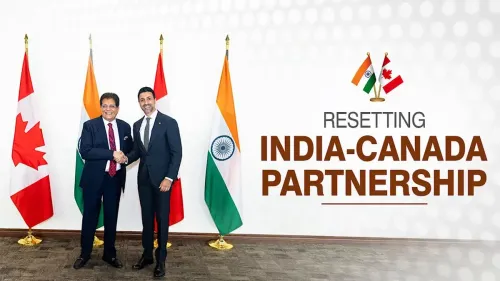
Goyal flags cultural ties as lever for India-Canada trade

Synopsis
Commerce Minister Piyush Goyal on 28 May 2026 highlighted cultural ties as the foundation for expanding India-Canada economic cooperation, signalling fresh momentum for bilateral trade engagement including the long-pending Comprehensive Economic Partnership Agreement.
Key Takeaways
Union Commerce and Industry Minister Piyush Goyal on 28 May 2026 publicly called for building on India-Canada cultural connections to deepen economic cooperation.
India and Canada have had a Comprehensive Economic Partnership Agreement (CEPA) under negotiation since 2010 .
The large Indian diaspora in Canada is central to India's strategy of using people-to-people links as a launchpad for formal trade agreements.
Canadian investors and Indian exporters in IT, pharma, clean energy, and natural resources are the primary commercial stakeholders.
The post signals possible upcoming ministerial-level or summit-level engagement between the two countries.
Union Commerce and Industry Minister Piyush Goyal on Thursday, 28 May 2026 underscored the role of cultural connections in deepening economic cooperation between India and Canada, signalling a renewed push to translate people-to-people bonds into tangible business outcomes.
Context
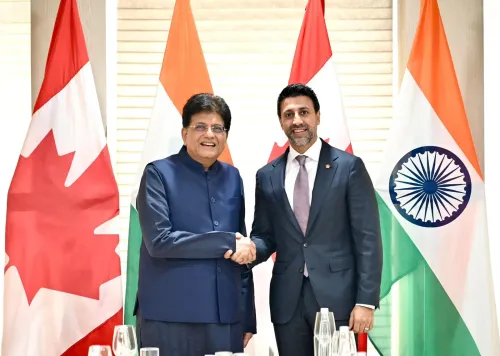
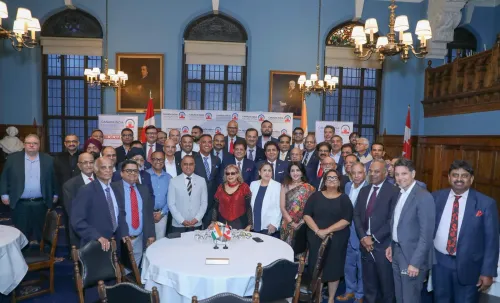
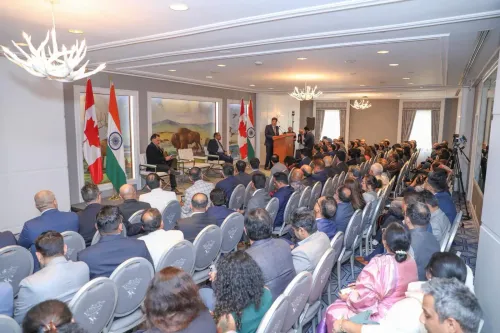
Goyal's post — 'Building on our cultural connect to unlock greater business opportunities and deepen economic cooperation' — comes as both countries seek to reinvigorate a bilateral relationship that spans trade, investment, and a large Indian diaspora settled across Canada. The message, accompanied by the Indian and Canadian flags, carries the tone of an active ministerial engagement rather than a routine social-media update.
The Indian diaspora in Canada, one of the country's largest immigrant communities, has long served as an informal bridge for commerce, education, and professional services. Successive Indian trade ministers have pointed to this human link as a competitive advantage that formal agreements can build upon.
Policy Backdrop
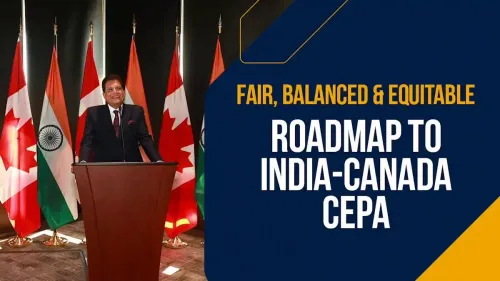
India and Canada launched negotiations for a Comprehensive Economic Partnership Agreement (CEPA) in 2010, aiming to liberalise trade in goods, services, and investment. The talks have moved in fits and starts over the years, with both sides periodically restarting engagement at the ministerial level.
India has pursued a similar diaspora-first diplomatic playbook with other partner nations — most notably in its trade outreach to the United Arab Emirates and the United Kingdom — treating cultural familiarity as a trust-building foundation before locking in tariff schedules and investment protections. Canada, as a G7 economy with deep services and natural-resources sectors, represents a high-value target in India's strategy of diversifying trade partnerships beyond traditional blocs.
Stakeholders and Impact
Indian exporters in sectors such as information technology, pharmaceuticals, textiles, and agri-products stand to gain from any reduction in Canadian tariff and non-tariff barriers under a future CEPA. On the other side, Canadian investors — particularly in mining, clean energy, and financial services — have consistently identified India as a priority destination given its scale and growth trajectory.
The diaspora angle is commercially significant: Indian-origin professionals and entrepreneurs in Canada generate cross-border business referrals, facilitate technology transfers, and often act as early investors in Indian startups. Goyal's framing suggests the government intends to formalise these informal networks into structured trade and investment channels.
What's Next
Observers will watch for a fresh round of India-Canada CEPA negotiations or a planned ministerial or summit-level meeting that could follow this signal from Goyal. Any concrete announcement — a joint working group, a trade mission, or a negotiating calendar — would indicate how quickly the cultural-connect rhetoric translates into a policy deliverable.
For India's broader trade agenda, a revived India-Canada CEPA would add a significant G7 partner to the network of free-trade and partnership agreements the country has been assembling across Asia, the Middle East, and Europe through the current decade.
Point of View
Using the soft power of diaspora and cultural familiarity to lay the groundwork for what could be a renewed push on the India-Canada CEPA — a deal that has been in limbo for over a decade. The framing fits a pattern the Commerce Ministry has used effectively with the UAE and UK: lead with shared identity, follow with market access. For the BJP government, deepening ties with a G7 partner also carries strategic value at a time when India is actively repositioning itself in the global trade order. The real test will be whether this social-media signal is backed by a concrete negotiating calendar in the weeks ahead.
NationPress
20 Oct 2026
Frequently Asked Questions
What is the India-Canada CEPA?
The India-Canada Comprehensive Economic Partnership Agreement (CEPA) is a bilateral free-trade deal under negotiation since 2010, aimed at liberalising trade in goods, services, and investment between the two countries.
Why did Piyush Goyal post about India-Canada ties?
On 28 May 2026, Commerce Minister Piyush Goyal posted about building on cultural connections to deepen India-Canada economic cooperation, signalling renewed ministerial focus on bilateral trade engagement.
How does the Indian diaspora help India-Canada trade?
The large Indian-origin community in Canada facilitates cross-border business referrals, technology transfers, and early-stage investment, giving India a cultural and commercial foothold that formal trade agreements can build upon.
What sectors benefit most from India-Canada trade?
Indian exporters in IT, pharmaceuticals, textiles, and agriculture, and Canadian investors in mining, clean energy, and financial services are the primary beneficiaries of stronger India-Canada trade ties.
What should we watch for next in India-Canada trade talks?
Key developments to watch include a fresh round of CEPA negotiations, a ministerial meeting, or the announcement of a joint trade mission following Goyal's 28 May 2026 statement.