Piyush Goyal: India-Canada Partnership Reset Rapidly
Synopsis
Commerce Minister Piyush Goyal has publicly declared that the India-Canada partnership is being reset 'very rapidly', marking a significant public signal of diplomatic thaw after the two countries expelled diplomats and froze trade talks following a sharp fallout in 2023.
Key Takeaways
Union Commerce and Industry Minister Piyush Goyal stated on 25 May 2026 that the India-Canada bilateral partnership is being reset 'very rapidly.' India-Canada relations deteriorated sharply in 2023 following mutual accusations and the expulsion of diplomats from both sides.
Negotiations for a Comprehensive Economic Partnership Agreement (CEPA) between the two countries, first launched in 2010 and revived in 2022 , had stalled amid the diplomatic crisis.
Indian exporters and Canadian investors are key stakeholders who stand to benefit if the reset translates into resumed trade talks.
The statement fits India's broader diplomatic pattern of stabilising ties with Western partners while advancing bilateral trade pacts.
Possible next steps include formal resumption of CEPA talks and restoration of full consular services between the two countries.
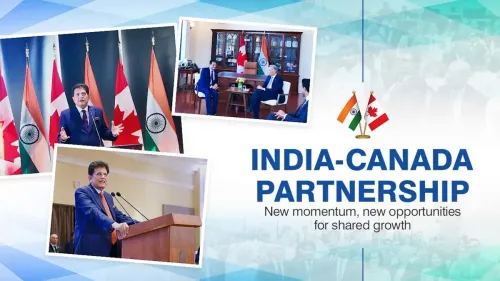
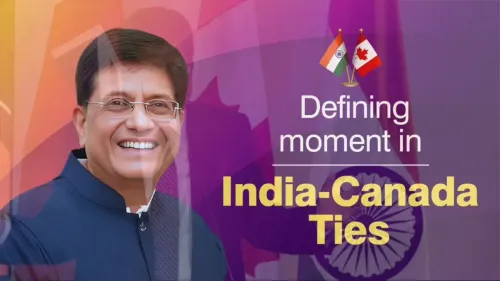
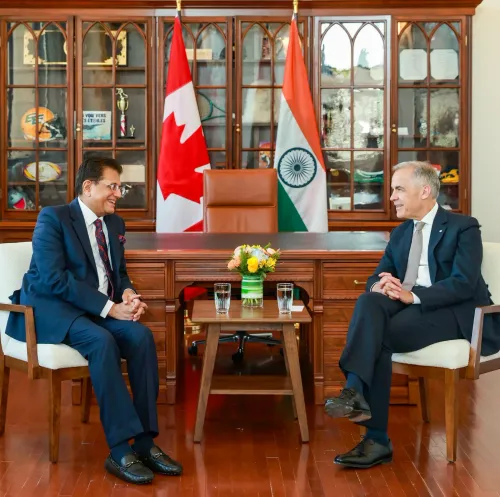
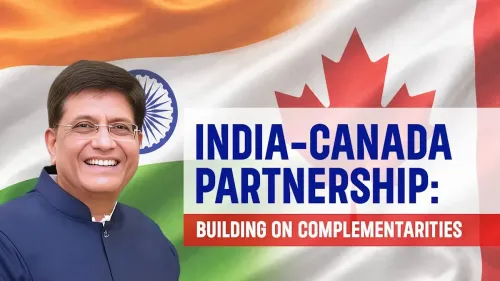
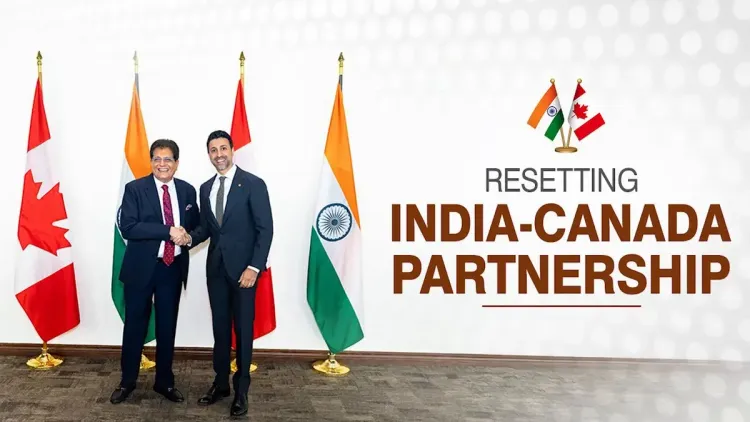
Union Commerce and Industry Minister Piyush Goyal declared on Monday, 25 May 2026 that the India-Canada bilateral partnership is undergoing a rapid reset, signalling a significant thaw in ties that had sharply deteriorated in 2023. The minister's post, accompanied by the flags of both nations, was brief but pointed — coming from the official handling of a senior Cabinet minister who oversees trade and commerce policy.
Context
Relations between India and Canada hit their lowest point in recent memory in 2023, when both countries traded accusations and expelled diplomats amid allegations linked to separatist violence. The fallout had wide-ranging consequences: consular services were curtailed, people-to-people exchanges were disrupted, and bilateral trade momentum stalled. Goyal's post is among the clearest public signals yet from the Indian side that the two governments are actively working to move past that rupture.
Policy Backdrop
India and Canada have long pursued a Comprehensive Economic Partnership Agreement (CEPA), with the first round of negotiations launched in 2010. Talks were revived in 2022 with fresh energy before stalling once diplomatic tensions escalated. A successful reset would reopen the path to a trade pact that could benefit Indian exporters in sectors such as textiles, pharmaceuticals, and information technology, while offering Canadian investors greater access to one of the world's fastest-growing markets. India's broader diplomatic posture in recent years has emphasised stabilising ties with Western partners while simultaneously advancing bilateral and multilateral trade agreements.
Stakeholders and Impact
Indian exporters stand to gain meaningfully if CEPA negotiations resume and conclude, with preferential access to the Canadian market potentially unlocking new revenue streams. Canadian investors, particularly in the energy, agri-business, and financial services sectors, have long eyed India's scale and growth trajectory. Beyond trade, the large Indian diaspora in Canada — one of the most significant in the world — has a direct stake in the normalisation of consular and people-to-people ties, which were among the first casualties of the 2023 diplomatic breakdown.
What's Next
Observers will watch closely for concrete follow-through: a formal resumption of CEPA negotiations, the restoration of full diplomatic and consular staffing, or joint announcements at upcoming bilateral or multilateral forums would all serve as measurable markers of the reset Goyal has publicly flagged. India's pattern of pairing diplomatic re-engagement with trade facilitation measures suggests that commerce-track deliverables could come alongside political-level signals in the weeks ahead. If the momentum holds, the India-Canada relationship could emerge as a case study in how two democracies navigate a serious rupture and rebuild on firmer footing.
Point of View
Calibrated signal — not casual commentary. By using the phrase 'very rapidly,' Goyal is setting a pace expectation, which implies concrete deliverables are either already in motion or imminent. This fits a recognisable pattern in Indian diplomacy where commerce-track momentum is used to anchor broader political re-engagement, as seen in India's approach to other strained Western partnerships. The timing — and the brevity — of the post suggests the government is managing the optics of normalisation carefully, building public narrative ahead of formal announcements.
NationPress
9 Oct 2026
Frequently Asked Questions
Why did India and Canada relations break down?
India-Canada relations broke down sharply in 2023 after both countries traded accusations linked to separatist violence allegations and subsequently expelled diplomats, leading to curtailed consular services and stalled trade talks.
What is the India-Canada CEPA trade deal?
The India-Canada Comprehensive Economic Partnership Agreement (CEPA) is a bilateral free trade deal whose negotiations began in 2010, were revived in 2022, and then stalled following the 2023 diplomatic crisis between the two countries.
What did Piyush Goyal say about Canada?
Commerce Minister Piyush Goyal posted on 25 May 2026 that the India-Canada partnership is being 'reset very rapidly,' signalling a significant thaw in bilateral ties.
What does the India-Canada reset mean for Indian exporters?
A successful diplomatic and trade reset could reopen CEPA negotiations, potentially giving Indian exporters in sectors like textiles, pharmaceuticals, and IT preferential access to the Canadian market.
What are the next steps in India-Canada relations?
Key markers to watch include the formal resumption of CEPA trade negotiations, restoration of full diplomatic and consular staffing, and any joint announcements at upcoming bilateral or multilateral meetings.