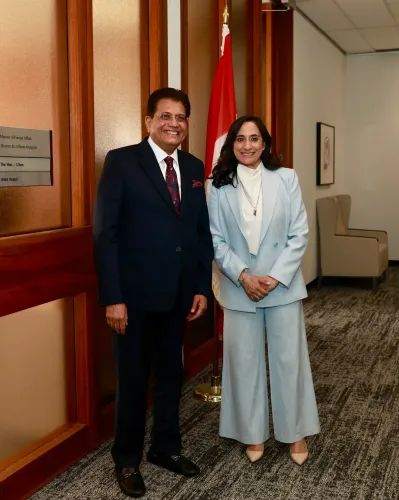
Piyush Goyal Calls India-Canada Ties at 'Defining Moment'
Synopsis
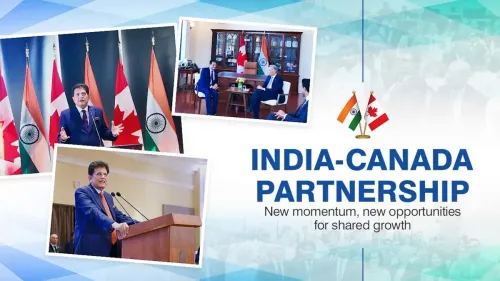
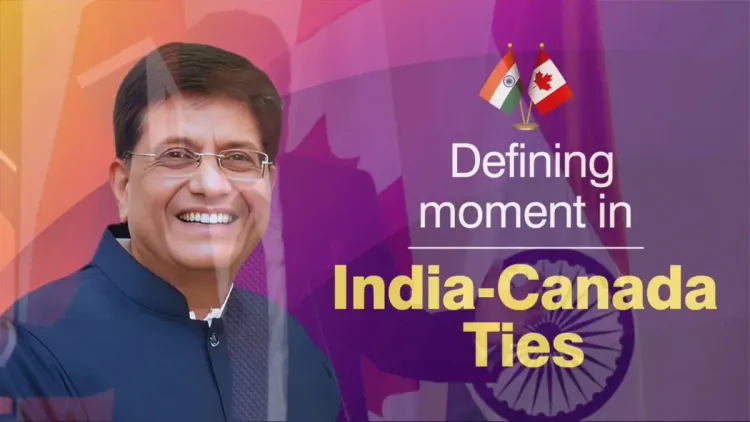
Commerce Minister Piyush Goyal on 28 May 2026 declared India and Canada are at a 'defining moment' in their partnership. The remark comes after years of diplomatic strain and a decade of stalled CEPA negotiations, raising expectations of a significant bilateral breakthrough.
Key Takeaways
Union Commerce and Industry Minister Piyush Goyal posted on 28 May 2026 that India and Canada are at a 'defining moment' in their partnership.
India-Canada CEPA negotiations were launched in 2010 but have seen limited progress over more than a decade.
Bilateral ties hit a historic low in 2023 following Canadian allegations over the killing of Hardeep Singh Nijjar and reciprocal diplomat expulsions.
Indian exporters and Canadian investors are key stakeholders who stand to benefit from any formal trade framework.
India is the single largest source of international students in Canada , making people-to-people ties a critical dimension of the relationship.
Goyal's post, accompanied by a video, is widely seen as a precursor to a formal announcement on trade or diplomatic normalisation.
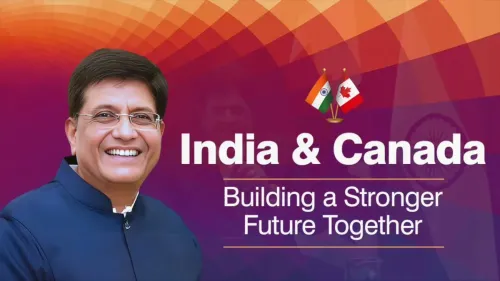
Union Commerce and Industry Minister Piyush Goyal on Thursday, 28 May 2026 declared that India and Canada are at a 'defining moment' in their bilateral partnership, posting the remark alongside a video on his official X account.
Context
The brief but pointed post — 'This is a defining moment in the India-Canada partnership' — carries particular weight given the turbulent trajectory of ties between New Delhi and Ottawa over the past three years. Relations hit a historic low in 2023 when Canadian allegations over the killing of Khalistani separatist Hardeep Singh Nijjar triggered reciprocal expulsions of diplomats, casting a long shadow over trade, education, and people-to-people exchanges.
Goyal, who holds the commerce portfolio and is the Leader of the House in the Rajya Sabha, is the principal architect of India's bilateral trade negotiations. His framing of the current juncture as 'defining' signals a deliberate ministerial effort to mark a reset or advance in the relationship.
Policy Backdrop
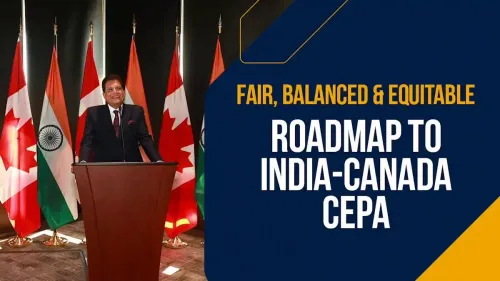
At the heart of any structural upgrade in India-Canada ties lies the long-stalled Comprehensive Economic Partnership Agreement (CEPA). Formally launched in 2010, the pact has gone through multiple negotiating rounds over more than a decade with limited tangible progress, held back by differences over market access in agriculture, services, and intellectual property.
India has simultaneously pursued a broader strategy of diversifying economic partnerships — signing free trade agreements with the UAE, Australia, and the European Free Trade Association — while keeping multi-alignment at the core of its foreign economic policy. Canada, with complementary strengths in natural resources, education, and technology, represents a significant but politically sensitive partner for New Delhi.
The large Indian diaspora in Canada, one of the country's most prominent immigrant communities, has historically served as a bridge for bilateral economic and cultural ties, even as sections of it have been a point of political friction between the two governments.
Stakeholders and Impact
Indian exporters in sectors such as pharmaceuticals, textiles, information technology, and processed foods stand to gain from any preferential market access arrangement with Canada. On the other side, Canadian investors and resource companies have long eyed India's vast consumer market and infrastructure pipeline.
Students and skilled workers form another critical constituency: India is the single largest source of international students in Canada, and any normalisation of ties would ease the anxieties of hundreds of thousands of young Indians whose study and immigration pathways were disrupted during the diplomatic freeze.
What's Next
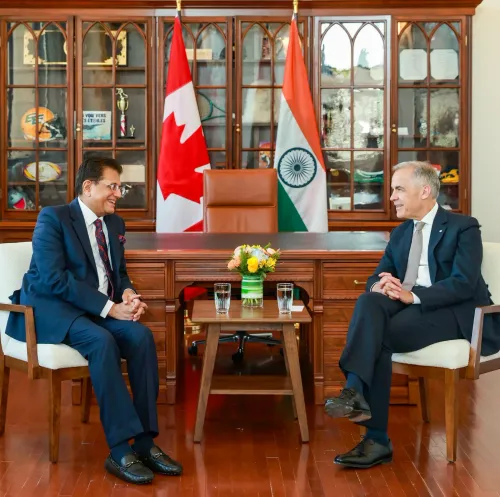
Analysts and trade officials will watch closely for any formal announcement of resumed or concluded CEPA negotiations, a ministerial-level meeting between Goyal and his Canadian counterpart, or a bilateral summit in 2026-27. The minister's post, accompanied by a video whose contents have not been independently detailed, is likely a precursor to a larger announcement or a readout of substantive engagement.
If the 'defining moment' rhetoric is matched by concrete deliverables — a trade framework, a diplomatic normalisation communiqué, or a reinvigorated CEPA road map — it would mark one of the most significant pivots in India-Canada relations in over a decade, with implications for India's broader ambition to deepen economic ties across the Indo-Pacific and Western hemispheres.
Point of View
Managing expectations and building domestic political momentum simultaneously. The timing is significant — India has been on a free trade agreement signing spree, and adding Canada to that list would close a long-open chapter. However, the 2023 diplomatic rupture over the Nijjar affair introduced a domestic political variable that trade logic alone cannot resolve, meaning any 'defining moment' must also carry a security and sovereignty dimension that both sides find acceptable. Investors and exporters should treat the signal as directional rather than conclusive until a formal joint statement or negotiating framework is released.
NationPress
11 Oct 2026
Frequently Asked Questions
What did Piyush Goyal say about India and Canada?
On 28 May 2026, Commerce Minister Piyush Goyal posted on X that 'This is a defining moment in the India-Canada partnership,' signalling a potential major development in bilateral ties.
What is the India-Canada CEPA?
The Comprehensive Economic Partnership Agreement (CEPA) is a proposed bilateral free trade pact between India and Canada. Negotiations were formally launched in 2010 but have stalled repeatedly over differences on market access and other issues.
Why did India-Canada relations deteriorate?
Relations sharply worsened in 2023 after Canada alleged Indian government involvement in the killing of Khalistani separatist Hardeep Singh Nijjar on Canadian soil, leading both countries to expel each other's diplomats.
What does a India-Canada trade deal mean for Indian exporters?
A formal trade agreement would give Indian exporters in sectors like pharmaceuticals, textiles, and IT preferential access to the Canadian market, potentially boosting bilateral trade significantly.
How many Indian students are in Canada?
India is the single largest source of international students in Canada, with hundreds of thousands of young Indians enrolled in Canadian universities and colleges, making education a central pillar of bilateral people-to-people ties.