India-China talks in Beijing target trade, economy and people-to-people ties
Synopsis
In back-to-back diplomatic moves — Wang Yi in New Delhi last month and now Doraiswami meeting Hua Chunying in Beijing — India and China are building a methodical thaw. With China backing India's BRICS Presidency and both sides invoking the Modi-Xi vision, the question is whether this diplomatic momentum can finally unlock stalled trade and economic ties.
Key Takeaways
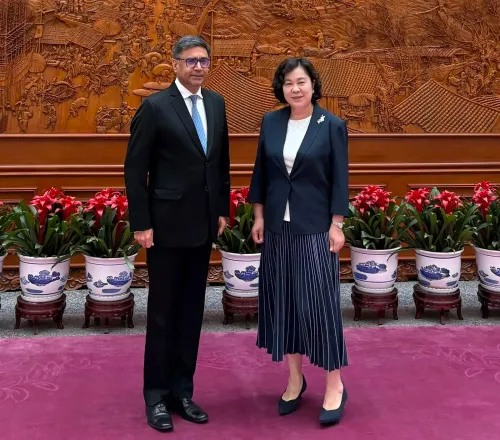
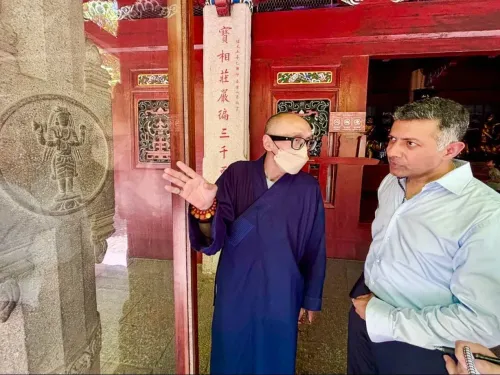
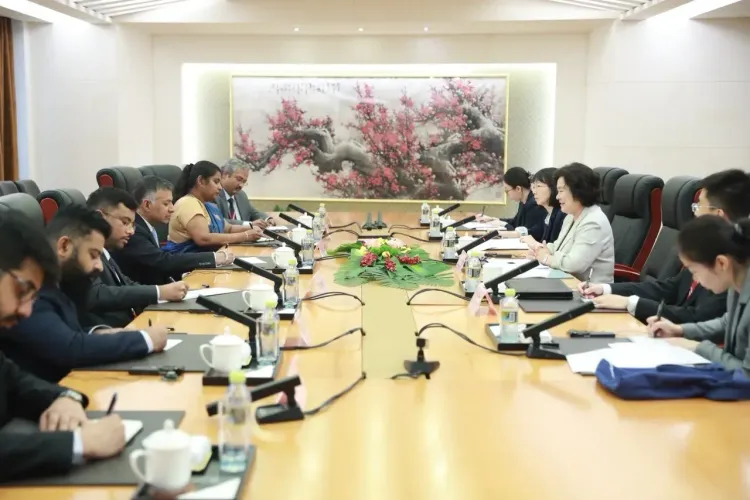
India's Ambassador Vikram Doraiswami met China's Vice Minister Hua Chunying in Beijing on 6 July 2026 .
Both sides agreed to expand bilateral cooperation in trade, economy, and people-to-people exchanges .
China reaffirmed support for India's BRICS Presidency during the meeting.
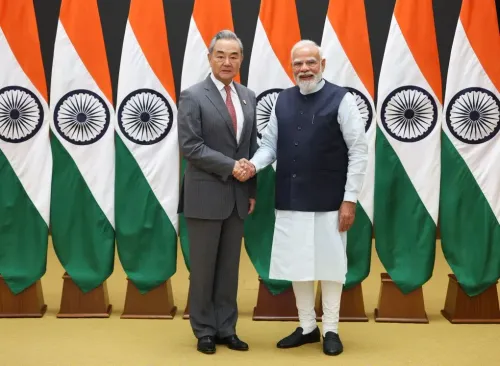
Last month, Chinese FM Wang Yi met PM Modi and NSA Ajit Doval in New Delhi , with both sides noting progress toward gradual normalisation.
Wang Yi described India and China as the two largest developing countries with a shared role in the Global South .
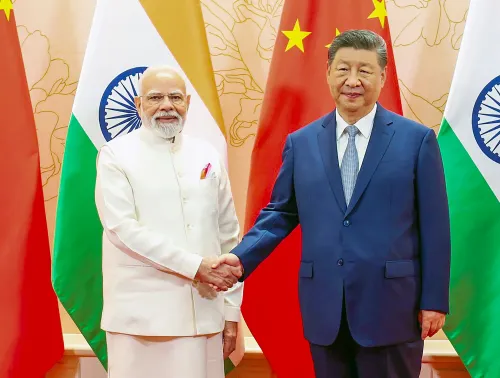
India and China held high-level diplomatic discussions on 6 July 2026 in Beijing, focusing on expanding bilateral cooperation in trade, economy, and people-to-people exchanges. The two sides affirmed their commitment to fully implementing the shared vision of Prime Minister Narendra Modi and Chinese President Xi Jinping for stable, mutually beneficial relations that deliver tangible outcomes for both nations.
The Meeting and What Was Agreed
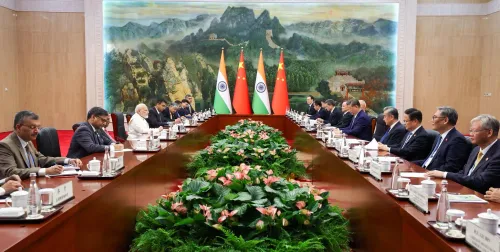
The discussions took place during an introductory meeting between India's Ambassador to China, Vikram Doraiswami, and China's Vice Minister of Foreign Affairs, Hua Chunying. According to a statement posted on X by the Embassy of India in China, both sides agreed to strengthen efforts toward gradual normalisation and deeper bilateral engagement.
Ambassador Doraiswami also welcomed Vice Minister Hua's assurance of China's support for India's BRICS Presidency — a notable diplomatic signal given ongoing efforts to rebuild trust between the two neighbours.
Context: Wang Yi's New Delhi Visit
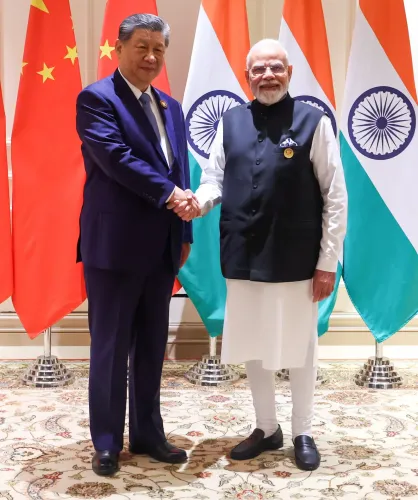
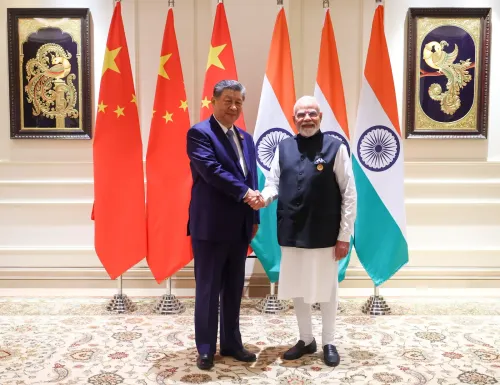
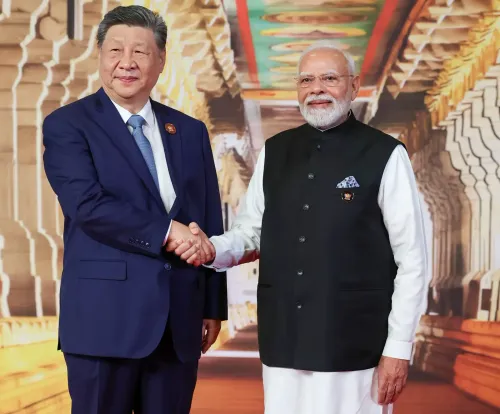
The Beijing meeting follows a significant diplomatic exchange last month, when Chinese Foreign Minister Wang Yi met Prime Minister Modi in New Delhi. Wang expressed China's readiness to implement the consensus reached between the two leaders, 'continuously enhance trust and dispel doubts, properly handle sensitive issues, deepen mutually beneficial cooperation, and maintain the positive momentum of bilateral ties.'
During that visit, Wang Yi also met National Security Advisor Ajit Doval on the sidelines of the BRICS National Security Advisors Meeting in New Delhi. Both sides reviewed recent developments in bilateral relations and noted progress toward gradual normalisation — the first such acknowledgement at this level in recent months.
China's Position on Global South and BRICS
China's Ambassador to India, Xu Feihong, shared details of the Wang Yi-Modi meeting on X, noting that Wang had described China and India as 'the two largest developing countries and important members of the Global South' who 'should play an exemplary role in promoting solidarity and self-reliance among Global South countries.'
Xu's post also conveyed Beijing's commitment to supporting India as the BRICS rotating chair and working toward 'solid progress in BRICS cooperation' — framing the bilateral relationship within a broader multilateral context.
What This Signals
This comes amid a sustained diplomatic thaw between New Delhi and Beijing following years of border tensions that had frozen high-level engagement. The back-to-back meetings — Wang Yi in New Delhi, followed by the Doraiswami-Hua meeting in Beijing — suggest both sides are moving methodically to restore normalcy across multiple tracks: security, trade, and cultural ties.
How quickly these diplomatic signals translate into concrete trade and economic outcomes will be closely watched in the months ahead, particularly as India holds the BRICS chair.
Point of View
Not a breakthrough. The invocation of the Modi-Xi 'vision' at every level is meant to provide political cover for both sides to move on trade and tourism without resolving the deeper border disputes. What is missing from these exchanges is any concrete deliverable: no trade figures, no visa liberalisation timeline, no investment corridor announcement. Until diplomatic warmth converts into measurable economic outcomes, this risks being a cycle of reassuring statements that India-China watchers have seen before.
NationPress
6 Oct 2026
Frequently Asked Questions
What did India and China discuss in the 6 July 2026 Beijing meeting?
India's Ambassador Vikram Doraiswami and China's Vice Minister of Foreign Affairs Hua Chunying discussed expanding bilateral cooperation in trade, economy, and people-to-people exchanges. Both sides reaffirmed their commitment to implementing the shared vision of PM Modi and President Xi Jinping for stable, mutually beneficial relations.
What is China's position on India's BRICS Presidency?
China has expressed support for India's role as the BRICS rotating chair. Vice Minister Hua Chunying conveyed this assurance directly to Ambassador Doraiswami during their meeting in Beijing on 6 July 2026.
What happened during Chinese FM Wang Yi's visit to New Delhi?
Wang Yi met Prime Minister Narendra Modi and NSA Ajit Doval in New Delhi last month. Both sides noted progress toward gradual normalisation of bilateral ties and agreed to implement the consensus reached between the two countries' leaders.
Why are India-China diplomatic exchanges significant right now?
The back-to-back high-level meetings signal a sustained diplomatic thaw after years of border tensions that had frozen engagement between the two neighbours. The meetings are part of a broader effort to restore normalcy across security, trade, and cultural tracks.
What role do India and China see for themselves in the Global South?
Chinese FM Wang Yi described both nations as the two largest developing countries and called on them to play an 'exemplary role in promoting solidarity and self-reliance among Global South countries,' framing the bilateral relationship within a broader multilateral context.