India-China ties: managed competition, not reconciliation, says report
Synopsis
A Politeia Research Foundation report cuts through the diplomatic optics: India's engagement with China since 2024 is managed competition, not a reset. Despite resumed flights, eased visas, and Foreign Secretary Misri's Beijing visit, unresolved boundary claims, military deployments, and a lopsided trade balance mean the structural fault lines remain firmly in place.
Key Takeaways
The Politeia Research Foundation (PRF) report characterises India's China policy as managed competition and limited cooperation , explicitly not reconciliation.
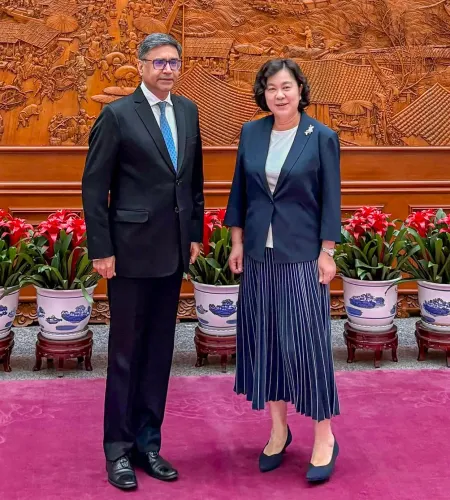
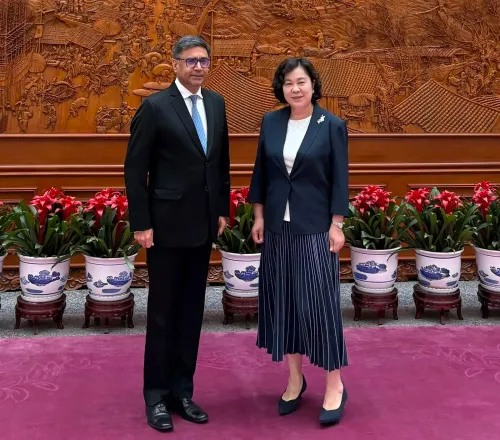
Foreign Secretary Vikram Misri visited Beijing on 27–28 July 2026 , meeting Vice Minister Hua Chunying and other senior Chinese officials.
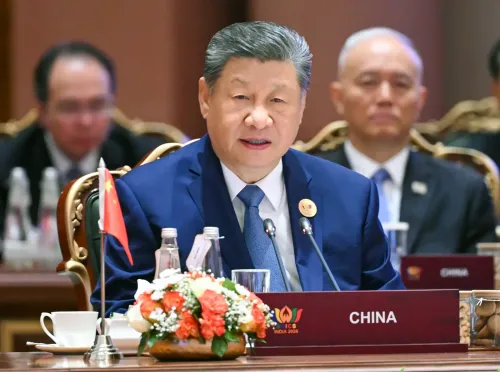
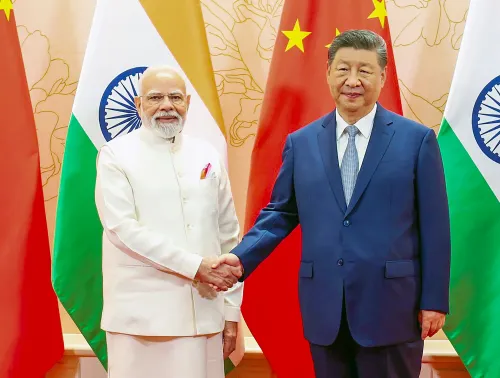
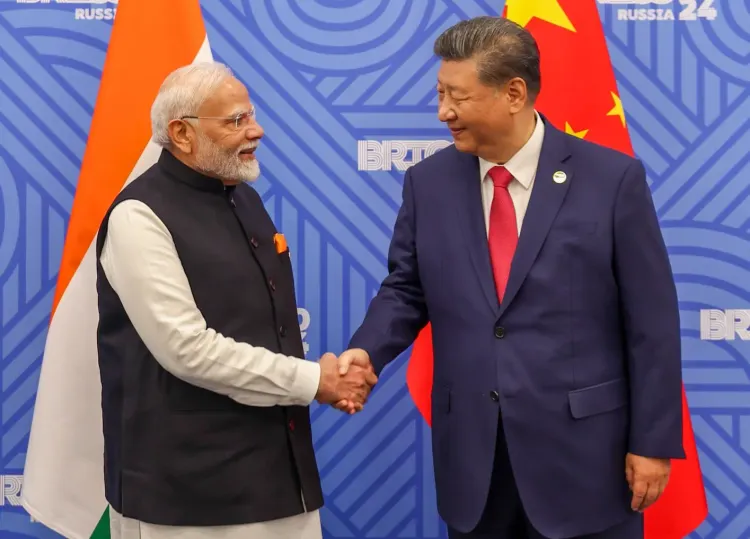
PM Modi and President Xi Jinping have met twice since 2024 — at Kazan (BRICS, 2024) and Tianjin (SCO, 2025) .
Practical steps such as resumed flights, eased visas, and the Kailash Mansarovar Yatra restart have followed the October 2024 LAC disengagement agreement.
Structural issues — unresolved boundary claims , military deployments , a lopsided trade relationship , and Chinese assertiveness in India's neighbourhood — remain unaddressed.
India's posture toward China is best characterised as managed competition and limited cooperation — not a genuine diplomatic reconciliation — even as bilateral ties since 2024 have widely been framed as a thaw, according to a report by the Politeia Research Foundation (PRF). The assessment challenges the dominant narrative that has emerged from a series of high-level engagements between New Delhi and Beijing.
The Thaw Narrative Under Scrutiny
The reset framing gained traction following the October 2024 disengagement understandings along the Line of Actual Control (LAC) and subsequent meetings between Prime Minister Narendra Modi and Chinese President Xi Jinping — first on the sidelines of the BRICS Summit in Kazan, Russia in 2024, and then at the Shanghai Cooperation Organisation (SCO) summit in Tianjin, China in 2025. The PRF report argues this framing demands closer analytical scrutiny rather than uncritical acceptance as a substantive realignment of bilateral dynamics.
Tangible steps have followed the leaders' meetings. Flights between the two countries have resumed, visa processes have been eased, the Kailash Mansarovar Yatra has restarted, and border trade points are reportedly being prepared for reopening. Foreign Secretary Vikram Misri's two-day visit to Beijing on 27–28 July 2026 fits this pattern of calibrated outreach.
Misri's Beijing Visit: Deliberate and Low-Key
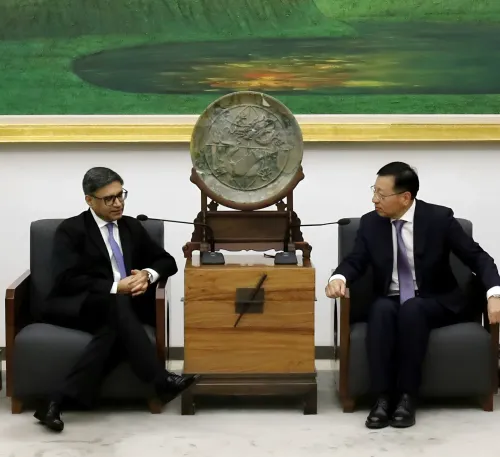
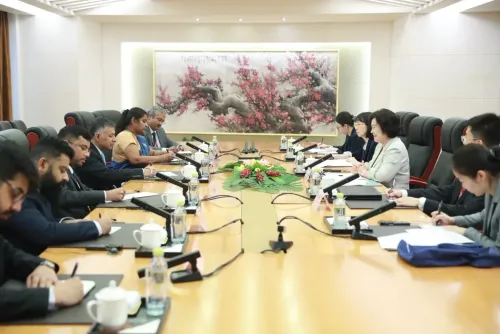
The PRF report describes Misri's Beijing visit as 'a deliberate, low-key effort to operationalise the guidance from the leaders' meetings in Kazan, in 2024, and in Tianjin, in 2025.' During the visit, Misri met Hua Chunying, Vice Minister of Foreign Affairs of China, and reviewed the full spectrum of bilateral relations. Both sides acknowledged the importance of maintaining peace and tranquillity in the border areas.
The Embassy of India in China stated on X: 'They reviewed the entire gamut of bilateral relations. They discussed means of advancing the vision of the two leaders that India and China are partners and development opportunities for each other, including through mutually beneficial outcomes across trade and economic ties, culture, and people-to-people exchanges.'
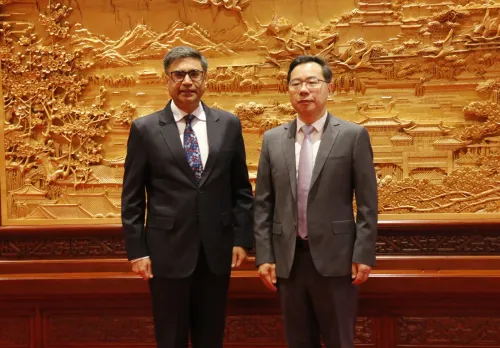
Misri also met Hong Liang, Deputy Secretary General of the 14th National Committee of the Chinese People's Political Consultative Conference (CPPCC), to discuss enhancing bilateral exchanges at political and people-to-people levels. He separately met Sun Haiyan, Vice Minister of the International Department of the CPC's Central Committee, to discuss deepening implementation of the two leaders' guidance on bilateral ties.
Structural Problems Remain Unresolved
Despite the visible diplomatic activity, the PRF report cautions against overstating the depth of the reset. 'The underlying structural problems — unresolved boundary claims, persistent military deployments, a lopsided trade relationship, and Chinese assertiveness in India's neighbourhood — remain intact,' it noted. The report concludes that India's approach is one of managed competition and limited cooperation, not reconciliation.
This distinction carries strategic weight. The breakthrough that enabled the current engagement was the 2024 agreement on patrolling arrangements along the nearly 3,500-km LAC, ending a four-year border confrontation that began with the Galwan Valley clash of 2020. That agreement addressed friction points but left the broader territorial dispute unresolved.
What to Watch Next
The diplomatic calendar suggests further structured engagement is likely, with both sides committed to operationalising the Modi-Xi framework. However, analysts will watch whether economic normalisation — particularly on trade imbalances and Chinese investment restrictions — keeps pace with the political signalling. The gap between optics and structural change will define whether the current trajectory solidifies or stalls.
Point of View
But they are confidence-building measures, not structural repairs. The LAC disengagement of 2024 ended a standoff; it did not resolve the underlying territorial dispute or rebalance a trade relationship that runs heavily in China's favour. India's calibrated engagement is rational statecraft — but framing it as a 'thaw' risks creating domestic and international expectations that the relationship cannot yet meet. The test of the Modi-Xi framework will come not in foreign secretary visits but in whether China moderates its behaviour in India's neighbourhood and whether New Delhi extracts concrete economic concessions.
NationPress
17 Sept 2026
Frequently Asked Questions
What does 'managed competition' mean in the context of India-China relations?
Managed competition refers to India's approach of engaging China on selective areas of mutual interest while maintaining strategic vigilance over unresolved disputes. According to the PRF report, it means India is neither in open confrontation nor in genuine reconciliation with China — it is managing a competitive relationship within defined limits.
What was the purpose of Foreign Secretary Vikram Misri's visit to Beijing?
Misri visited Beijing on 27–28 July 2026 to operationalise guidance from the Modi-Xi meetings in Kazan (2024) and Tianjin (2025). He met senior Chinese officials including Vice Minister Hua Chunying to review bilateral relations and discuss trade, cultural, and people-to-people exchanges.
What triggered the improvement in India-China ties since 2024?
The key trigger was the October 2024 agreement on patrolling arrangements along the nearly 3,500-km Line of Actual Control (LAC), which ended a four-year border confrontation that began with the 2020 Galwan Valley clash. This was followed by resumed flights, eased visas, and the restart of the Kailash Mansarovar Yatra.
Why does the PRF report caution against calling it a genuine reset?
The report argues that structural problems — unresolved boundary claims, persistent military deployments, a lopsided trade relationship, and Chinese assertiveness in India's neighbourhood — remain intact despite the diplomatic activity. It warns that describing the steps as a genuine reset risks overstating their depth.
Where did Modi and Xi meet, and when?
Prime Minister Modi and President Xi Jinping met on the sidelines of the BRICS Summit in Kazan, Russia in 2024, and again at the Shanghai Cooperation Organisation (SCO) summit in Tianjin, China in 2025. Both meetings shaped the diplomatic framework that Misri's Beijing visit sought to operationalise.