India-China border peace: Misri meets Hua Chunying in Beijing
Synopsis
Foreign Secretary Vikram Misri's multi-meeting visit to Beijing on 27 July — spanning China's foreign ministry, the CPPCC, and the Communist Party — signals a structured diplomatic push to rebuild India-China ties across trade, politics, and people-to-people links, even as border peace remains the central, unresolved test.
Key Takeaways
Foreign Secretary Vikram Misri arrived in Beijing on 27 July on an official visit to China.
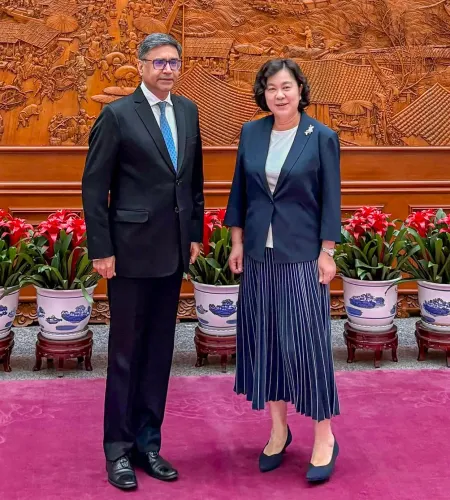
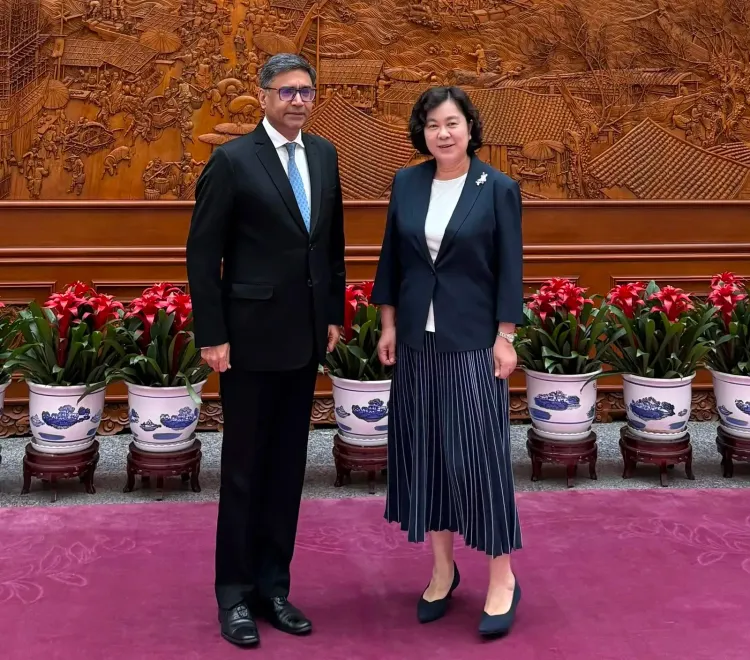
Misri met Hua Chunying , Vice Minister of Foreign Affairs of China; both sides acknowledged the importance of maintaining peace in India-China border areas .
Discussions covered trade and economic ties , culture , and people-to-people exchanges as part of the bilateral agenda.
Misri also met Hong Liang of the CPPCC and Sun Haiyan of the Communist Party of China's International Department.
India's Ambassador to China, Vikram Doraiswami , was present during the party-level meeting.
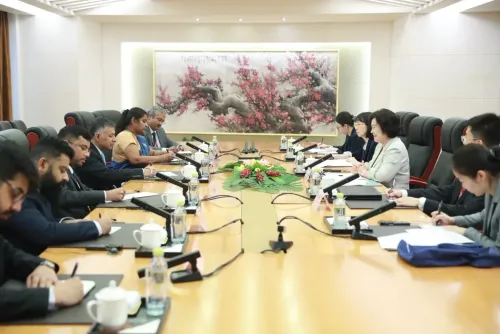
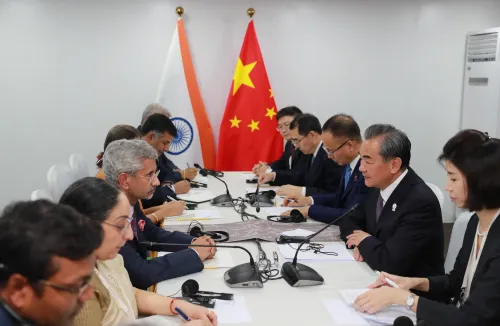
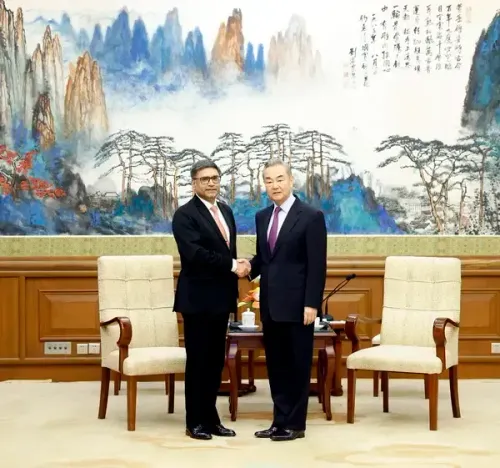
Foreign Secretary Vikram Misri and Hua Chunying, Vice Minister of Foreign Affairs of China, on Monday, 27 July jointly acknowledged the importance of maintaining peace and tranquillity along the India-China border areas, as Misri undertook an official visit to Beijing. The meeting marks one of the most substantive diplomatic engagements between the two nations at the foreign secretary level in recent months.
Key Developments from the Beijing Visit
During his meeting with Hua Chunying, Misri reviewed the full spectrum of bilateral relations between India and China. Both sides discussed ways to advance the shared vision of the two countries' leaders — that India and China should serve as partners and development opportunities for each other. Areas highlighted included mutually beneficial outcomes across trade and economic ties, culture, and people-to-people exchanges.
The Embassy of India in China confirmed the meeting in a post on X, stating that both sides acknowledged the importance of maintaining peace and tranquillity in the border areas — a formulation that carries particular diplomatic weight given the prolonged friction along the Line of Actual Control (LAC) since 2020.
Meetings with CPPCC and Communist Party Officials
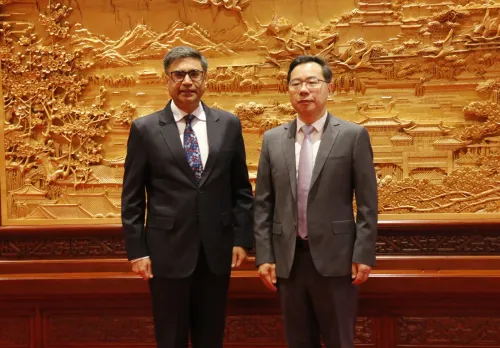
Earlier in the day, Misri met Hong Liang, Deputy Secretary General of the 14th National Committee of the Chinese People's Political Consultative Conference (CPPCC). The discussions centred on enhancing bilateral exchanges at the political and people-to-people levels, according to the Indian Embassy in Beijing.
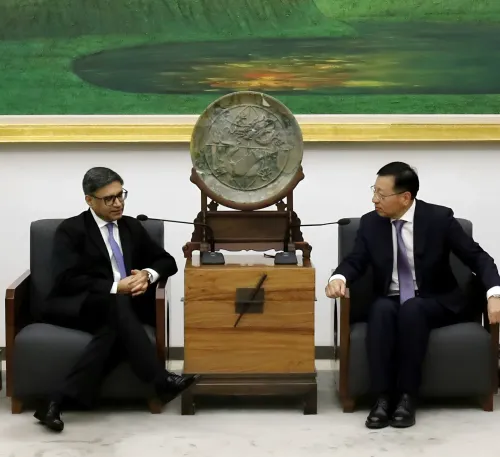
Misri had commenced his official visit with a meeting with Sun Haiyan, Vice Minister of the International Department of the Central Committee of the Communist Party of China. That conversation focused on deepening the implementation of leadership guidance for bilateral relations, including addressing priority issues for both sides and promoting political, academic, and think-tank exchanges.
India's Ambassador to China, Vikram Doraiswami, was present during the meeting with Sun Haiyan.
Why This Visit Matters
The visit comes against the backdrop of a gradual but cautious thaw in India-China ties following the disengagement of troops at key friction points along the LAC in eastern Ladakh. Notably, the emphasis on people-to-people exchanges and trade signals a deliberate effort to rebuild the broader relationship beyond the security dimension.
This is the kind of structured, multi-meeting diplomatic itinerary that typically precedes a higher-level political engagement — making the outcomes of Misri's visit worth watching closely in the weeks ahead.
What Comes Next
Both sides are expected to continue working through diplomatic channels to translate the leadership-level vision into concrete bilateral outcomes. The focus on trade, culture, and political exchanges suggests that New Delhi and Beijing are attempting to compartmentalise border management from the broader relationship — a approach that has had mixed results historically.
Point of View
CPPCC, and Communist Party in a single day signals a deliberate attempt to rebuild institutional depth, not just manage the LAC. The real question is whether this structured engagement translates into measurable outcomes — on visa normalisation, trade imbalances, or a formal border management framework — or whether it remains a choreographed reset that leaves the structural fault lines intact.
NationPress
26 Oct 2026
Frequently Asked Questions
Why did Foreign Secretary Vikram Misri visit China?
Misri undertook an official visit to Beijing on 27 July to advance bilateral relations between India and China, including discussions on border peace, trade, and people-to-people exchanges. The visit involved meetings with senior Chinese officials across the foreign ministry, the CPPCC, and the Communist Party of China.
What was agreed upon regarding the India-China border?
Both sides acknowledged the importance of maintaining peace and tranquillity in the India-China border areas, according to the Embassy of India in China. No specific new agreement was announced; the acknowledgement reflects the diplomatic baseline both countries have maintained since disengagement talks.
Who did Vikram Misri meet during his Beijing visit?
Misri met three senior Chinese officials: Hua Chunying (Vice Minister of Foreign Affairs), Hong Liang (Deputy Secretary General of the 14th CPPCC National Committee), and Sun Haiyan (Vice Minister of the International Department of the Communist Party of China's Central Committee). India's Ambassador Vikram Doraiswami was also present.
What topics were discussed beyond border issues?
The meetings covered ways to enhance bilateral exchanges at the political and people-to-people levels, as well as trade and economic ties, culture, and academic and think-tank exchanges — reflecting an effort to broaden the relationship beyond security concerns.
What is the significance of the CPPCC meeting?
The Chinese People's Political Consultative Conference (CPPCC) is an advisory body that plays a role in shaping political consensus in China. Misri's meeting with its Deputy Secretary General signals India's interest in engaging China across multiple institutional channels, not just the foreign ministry.