Vikram Misri in Beijing: India-China talks target political, people-to-people ties
Synopsis
Foreign Secretary Vikram Misri's single-day Beijing itinerary — spanning the CPPCC, the CPC's International Department, and Ambassador Doraiswami — signals India is deliberately widening its diplomatic channels with China beyond the foreign ministry track, a quiet but telling shift in how New Delhi is managing the post-Kazan thaw.
Key Takeaways
Foreign Secretary Vikram Misri visited Beijing on 27 July for talks on enhancing India-China bilateral exchanges.
He met Hong Liang of the CPPCC and Sun Haiyan of the CPC International Department in separate meetings.
India's Ambassador Vikram Doraiswami was present during the CPC meeting.
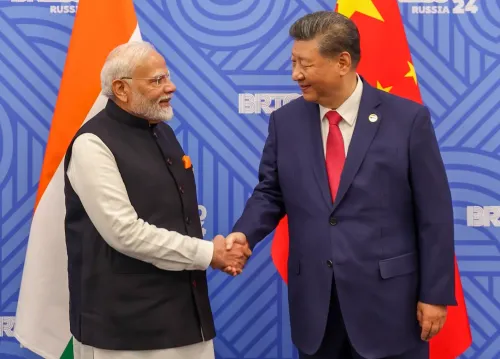
EAM Jaishankar described ties as 'gradually normalising' since the 2024 Kazan Modi-Xi summit, reaffirmed at Tianjin in August .
Jaishankar also called for fair market access and a balanced trade relationship during his Manila meeting with Wang Yi .
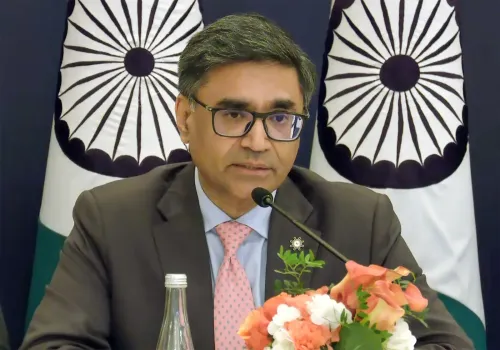
Foreign Secretary Vikram Misri on Monday, 27 July held discussions in Beijing aimed at deepening bilateral exchanges between India and China at both the political and people-to-people levels, marking a significant diplomatic engagement as the two nations continue their post-Kazan normalisation trajectory.
Key Meetings in Beijing
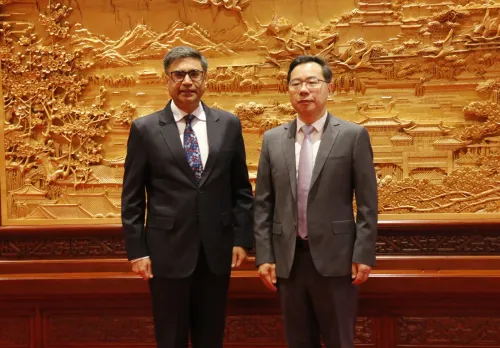
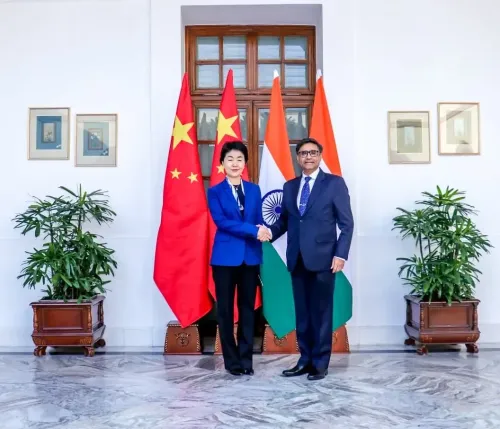
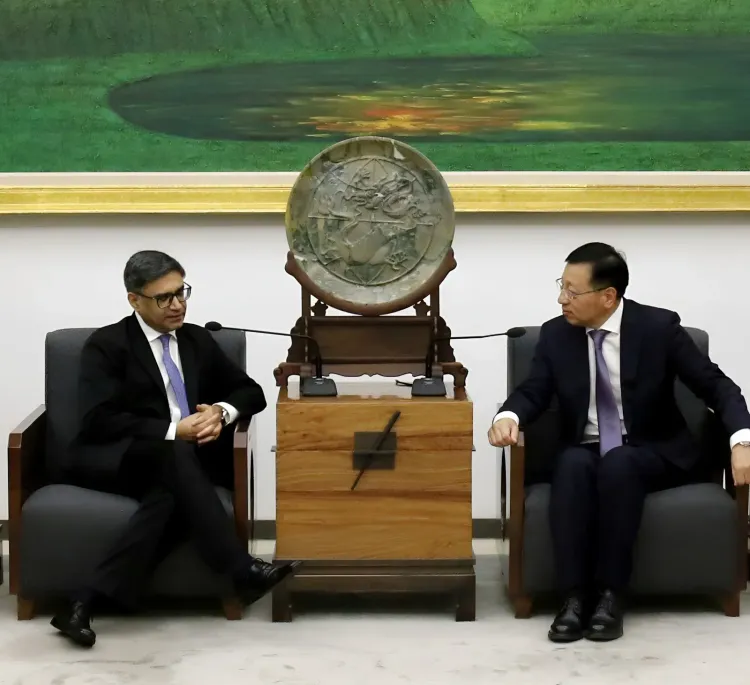
Misri met Hong Liang, Deputy Secretary General of the 14th National Committee of the Chinese People's Political Consultative Conference (CPPCC), with both sides exploring avenues to strengthen inter-governmental and civil society linkages. The Indian Embassy in Beijing confirmed the meeting, noting that discussions centred on enhancing exchanges at the political and people-to-people levels.
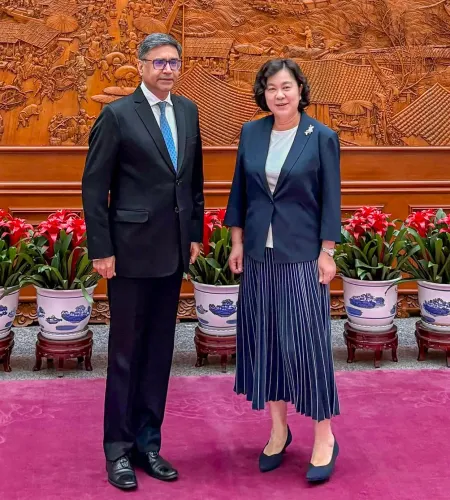
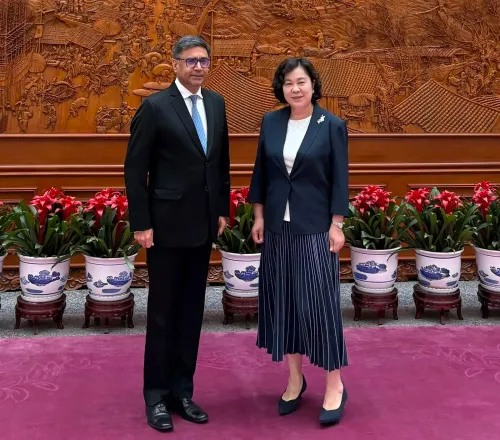
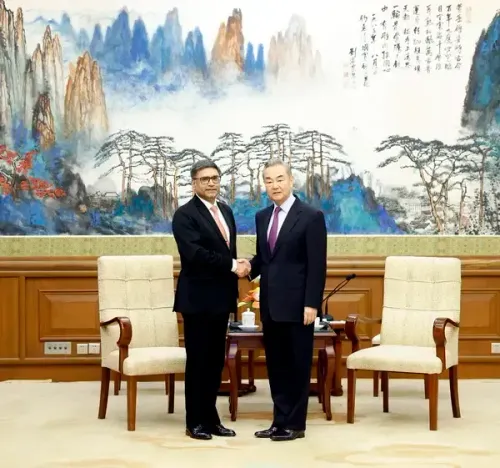
Earlier in the day, Misri commenced his official China visit with a separate meeting with Sun Haiyan, Vice Minister of the International Department of the Central Committee of the Communist Party of China. India's Ambassador to China, Vikram Doraiswami, was also present. That meeting focused on deepening the implementation of guidance from both nations' leaders, with emphasis on addressing priority issues and promoting political, academic, and think-tank exchanges.
Jaishankar's Manila Remarks Set the Tone
The Beijing visit follows a series of diplomatic signals from External Affairs Minister (EAM) S. Jaishankar, who last week described India-China ties as 'gradually normalising' since the 2024 Kazan meeting between Prime Minister Narendra Modi and Chinese President Xi Jinping. Speaking on the sidelines of ASEAN engagements in Manila, Philippines, Jaishankar met his Chinese counterpart Wang Yi and called for fair market access and a more balanced trade relationship.
'Since the meeting of our leaders in Kazan in 2024, relations between India and China have been gradually normalising. This direction was further affirmed when they met in Tianjin last August,' Jaishankar said, adding that a stable and cooperative relationship grounded in 'mutual respect, mutual interest and mutual sensitivity' could contribute to a multi-polar world.
The Normalisation Context
The Modi-Xi meeting in Kazan in 2024 is widely regarded as the diplomatic inflection point that thawed ties strained since the 2020 Galwan Valley clash. The subsequent meeting in Tianjin in August reinforced that momentum. Misri's current Beijing visit — spanning political party channels, advisory bodies, and people-to-people frameworks — signals that both governments are now working to institutionalise that thaw across multiple tracks simultaneously.
Notably, the engagement with the CPPCC — China's top political advisory body — and the CPC's International Department in a single day suggests India is deliberately broadening its diplomatic footprint beyond traditional foreign ministry channels.
What Comes Next
The outcomes of Misri's Beijing visit are expected to shape the agenda for upcoming high-level interactions. Progress on people-to-people exchanges — including resumption of direct flights, easing of visa norms, and revival of academic linkages — will be closely watched as indicators of how far the normalisation has translated into practical terms.
Point of View
Visa restrictions, and the unresolved border framework — that Jaishankar himself flagged in Manila. Normalisation that stays at the political-track level without filtering down to citizens and businesses will have limited durability.
NationPress
26 Oct 2026
Frequently Asked Questions
What did Foreign Secretary Vikram Misri discuss during his Beijing visit?
Misri discussed ways to enhance India-China bilateral exchanges at the political and people-to-people levels, meeting both the CPPCC's Deputy Secretary General Hong Liang and the CPC International Department's Vice Minister Sun Haiyan on 27 July. The talks also covered deepening implementation of guidance from both nations' leaders on priority issues.
Why is Vikram Misri's Beijing visit significant?
It represents a broadening of India's diplomatic engagement with China beyond conventional foreign ministry channels, engaging both the CPC's international arm and the CPPCC in a single visit. This signals an effort to institutionalise the post-Kazan normalisation across multiple tracks.
What did EAM Jaishankar say about India-China relations?
Jaishankar said relations have been 'gradually normalising' since the 2024 Kazan meeting between PM Modi and President Xi Jinping, with the Tianjin meeting in August further affirming that direction. He also called for fair market access and a balanced trade relationship during his meeting with Wang Yi in Manila.
What was the 2024 Kazan meeting and why does it matter?
The Kazan meeting in 2024 was a bilateral summit between Prime Minister Narendra Modi and Chinese President Xi Jinping, widely seen as the diplomatic turning point that began thawing India-China ties strained since the 2020 Galwan Valley clash. It has since served as the reference point for the ongoing normalisation process.
Who accompanied Vikram Misri during his Beijing meetings?
India's Ambassador to China, Vikram Doraiswami, was present during Misri's meeting with Sun Haiyan of the CPC International Department.