India pushes for equitable GST-2 at COP31, flags climate finance gaps
Synopsis
At COP31 in Antalya, India's Environment Minister Bhupender Yadav put developed nations on notice: the Second Global Stocktake must hold them accountable for unmet climate finance and technology transfer obligations. India's demand for CBDR-RC-anchored, science-grounded outcomes signals it will resist any framework that shifts burden to the Global South without matching resources.
Key Takeaways
Bhupender Yadav addressed the high-level GST-2 event at UNFCCC COP31 in Antalya on 18 November 2026 .
India called for GST-2 to be guided by equity and CBDR-RC , with developed nations leading on climate action.
Yadav flagged that actual climate finance and technology transfer delivery has fallen 'far below' developed-country obligations.
India demanded recognition of scientific assessments from developing countries , not only IPCC reports.
The first Global Stocktake concluded at COP28 in Dubai in December 2023 ; GST-2 is the central focus at COP31.
India expects GST-2 to deliver solution-oriented, balanced outcomes that guide NDC updates and close implementation gaps.
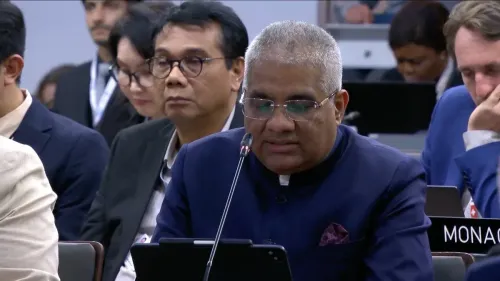
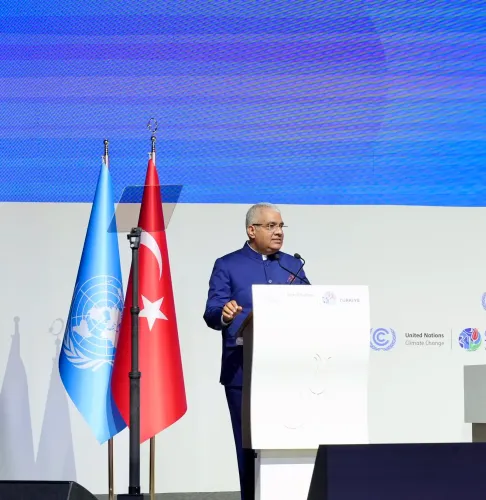
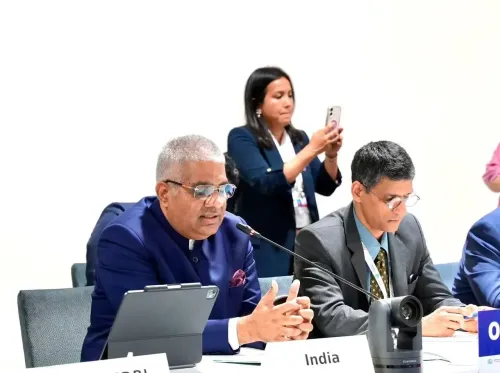
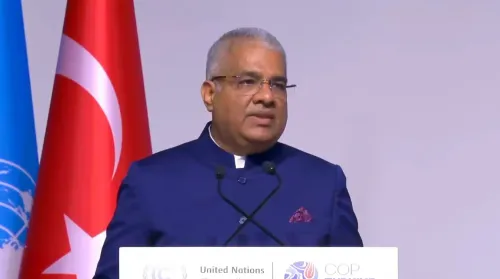
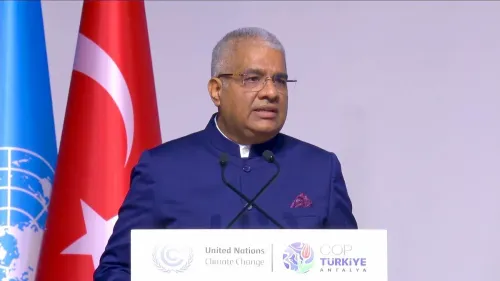
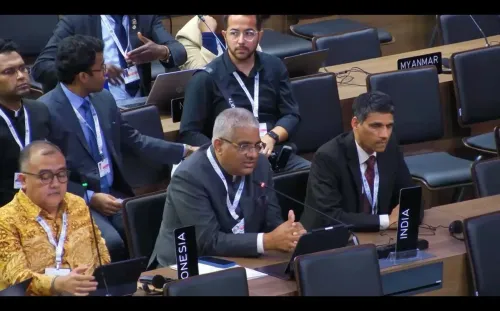
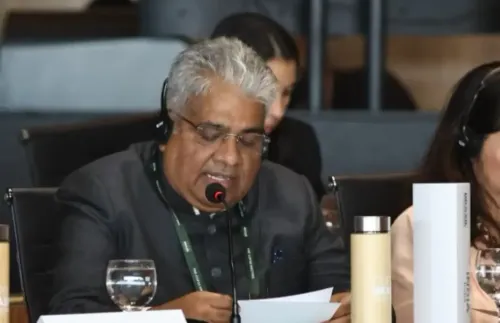
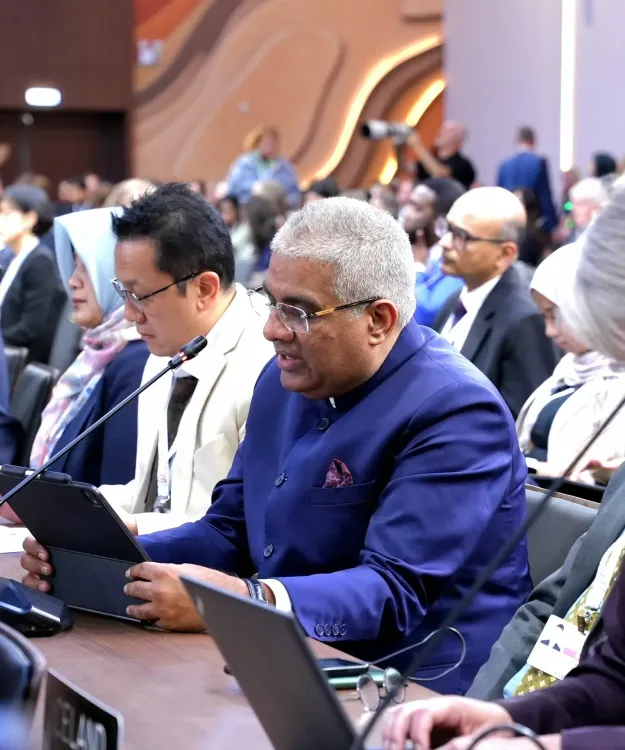
India's Union Minister for Environment, Forest and Climate Change Bhupender Yadav on Wednesday, 18 November 2026, called for the Second Global Stocktake (GST-2) under the Paris Agreement to be an open, transparent, and inclusive process — grounded in the best available science, equity, and balanced outcomes across all pillars of climate action. He was addressing a high-level event on the GST-2 at UNFCCC COP31 in Antalya, Turkey.
India's Core Demands at COP31
Yadav argued that the GST-2 must take a comprehensive, 360-degree view of the Paris Agreement — assessing both achievements and persistent gaps. He stressed that the process must be anchored in the principles of equity, common but differentiated responsibilities and respective capabilities (CBDR-RC), with developed nations expected to take the lead in proportion to their historical emissions and national circumstances.
The minister called for the stocktake to assess progress across a broad range of areas: updated Nationally Determined Contributions (NDCs), biennial transparency reports, international cooperation under Article 6, the Global Goal on Adaptation, and the Just Transition Mechanism.
The 1.5°C Warning and the Science Gap
Yadav emphasised that GST-2 must squarely address why the world remains at risk of breaching the 1.5 degrees Celsius warming threshold despite nominal progress in climate action. He also called for the formal recognition of scientific assessments from developing countries — not merely IPCC reports — arguing that research emerging from the Global South deserves equal standing in the stocktake's evidence base.
Climate Finance and Technology Transfer Under Scrutiny
India's sharpest critique was directed at the gap between developed-country obligations on climate finance and technology transfer, and actual delivery. Yadav said actual support in these areas has fallen 'far below' the responsibilities of developed nations — a charge that echoes longstanding grievances aired by emerging economies at successive COP sessions. He called for solution-oriented outcomes that guide parties in updating their NDCs while addressing gaps in means of implementation.
Background: What the Global Stocktake Is
The Global Stocktake is a five-year periodic review mechanism established under Article 14 of the Paris Agreement to evaluate collective global progress toward limiting temperature rise to 1.5°C and meeting broader climate goals. The first Global Stocktake concluded at COP28 in Dubai in December 2023 with the UAE Consensus. The second stocktake has officially commenced and is a central agenda item at COP31 in Antalya, where nations are pushing for transparent, equitable reviews covering mitigation, adaptation, and climate finance gaps.
What Comes Next
India's position signals that it will resist any GST-2 outcome that disproportionately burdens developing nations without commensurate financial and technological support from the developed world. Yadav concluded by expressing India's expectation that GST-2 would deliver a balanced assessment of global climate action — a formulation that implicitly puts the pressure on wealthier nations to match rhetoric with resources.
Point of View
Yet developed nations have repeatedly deferred or diluted their finance commitments. What is notable here is India's push to elevate developing-country science alongside IPCC assessments: a subtle but significant bid to shift the epistemic authority underpinning the stocktake. The real tension at COP31 is whether GST-2 produces accountability with teeth or another consensus document that papers over the North-South fault line. India's leverage is real but limited — it will need coalition partners across the G77 to convert demands into binding language.
NationPress
18 Nov 2026
Frequently Asked Questions
What is the Second Global Stocktake (GST-2) at COP31?
The Second Global Stocktake is a comprehensive review under Article 14 of the Paris Agreement that assesses collective global progress toward limiting warming to 1.5°C. It officially commenced at COP31 in Antalya and is the successor to the first stocktake, which concluded at COP28 in Dubai in December 2023 with the UAE Consensus.
What did India's minister Bhupender Yadav say at COP31?
Yadav called for GST-2 to be open, transparent, and inclusive, anchored in equity and CBDR-RC principles. He criticised developed nations for falling far short of their climate finance and technology transfer obligations, and demanded solution-oriented outcomes that guide NDC updates.
Why does India want CBDR-RC to guide the stocktake?
CBDR-RC — common but differentiated responsibilities and respective capabilities — is a core Paris Agreement principle recognising that developed nations bear greater historical responsibility for emissions and must therefore lead on climate action and financial support. India argues the stocktake must enforce, not dilute, this principle.
What gaps did India highlight in climate finance?
Yadav said actual delivery of climate finance and technology transfer by developed countries has fallen far below their stated obligations and responsibilities, a persistent grievance of developing nations at successive COP sessions.
How does GST-2 differ from the first Global Stocktake?
The first Global Stocktake concluded at COP28 in Dubai in December 2023 and produced the UAE Consensus. GST-2, launched at COP31 in Antalya, is expected to build on that foundation by assessing updated NDCs, biennial transparency reports, and progress under the Global Goal on Adaptation and the Just Transition Mechanism.