Bhupender Yadav at COP31: Climate action must match negotiations with ground results
Synopsis
At COP31 in Antalya, India's Environment Minister Bhupender Yadav delivered a pointed message: climate talk must convert into climate action. Using the CDRI ministerial platform, he pressed for affordable finance, capacity building and institutional frameworks — not just pledges — to build resilience in vulnerable nations, as the conference enters its critical final phase.
Key Takeaways
Bhupender Yadav spoke at the CDRI Ministerial Dialogue at COP31 in Antalya, Turkey on 18 November 2026 .
He stressed that climate action must run parallel to climate negotiations, with success measured by on-the-ground outcomes.
Yadav called for affordable and sustainable finance backed by strong institutional frameworks for developing nations.
He described CDRI as a unique global platform promoting resilience through government, institution and expert collaboration.
Countries including Trinidad and Tobago , Namibia , Japan , Guatemala and Jordan outlined their national resilience priorities at the dialogue.
COP31 is in its final phase , with pressure growing to convert commitments into binding outcomes on adaptation and resilience.
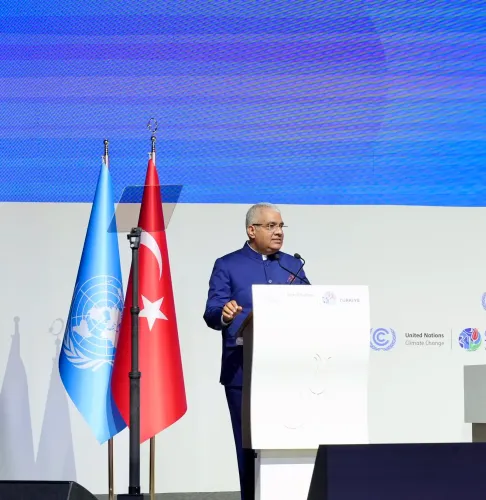
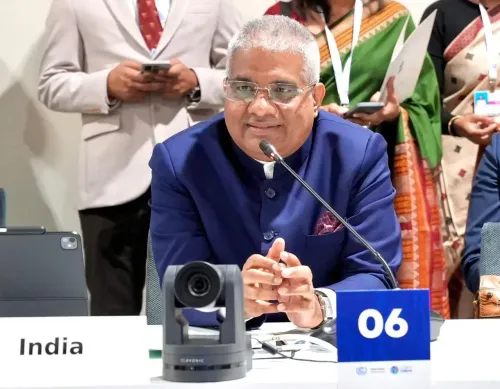
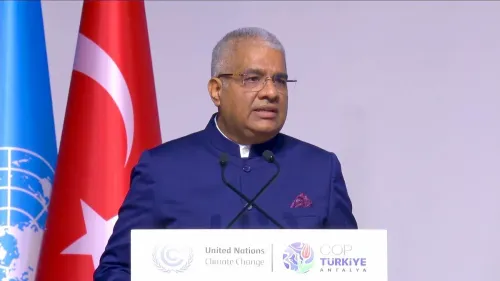
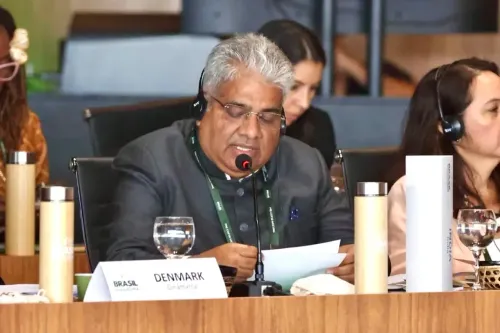
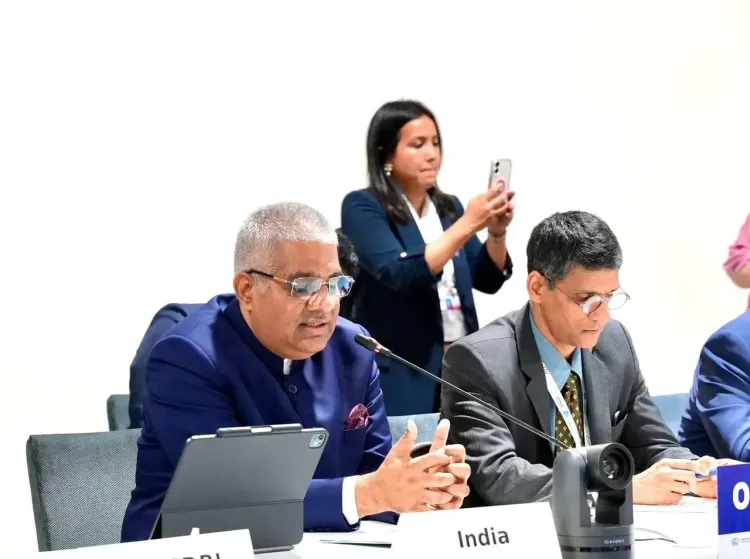
Union Minister for Environment, Forest and Climate Change Bhupender Yadav on Wednesday, 18 November 2026, called for climate action to keep pace with climate negotiations at the UN Climate Change Conference (COP31) in Antalya, Turkey, stressing that the true measure of international commitments lies in their translation into tangible outcomes on the ground. Speaking at the Coalition for Disaster Resilient Infrastructure (CDRI) Ministerial Dialogue — a side event focused on disaster-resilient infrastructure for climate adaptation — Yadav positioned India as a leading voice in advancing global cooperation on resilience.
India's Case for Practical Climate Outcomes
Yadav argued that progress on adaptation, mitigation and resilience must be backed by stronger international cooperation and not remain confined to negotiating rooms. He emphasised that knowledge sharing, technical expertise and capacity building — particularly for developing and vulnerable nations — are essential to strengthen institutional capabilities and unlock access to proven technologies. The minister's remarks underscored a consistent Indian position: climate ambition must be matched by deliverables.
Finance and Institutional Frameworks at the Centre
A central theme of Yadav's address was the criticality of affordable and sustainable finance for building resilient infrastructure. He stressed that finance alone is insufficient without strong institutional frameworks and technical capacities to deploy it effectively. This argument reflects a broader concern among developing nations that climate finance pledges from wealthier economies have repeatedly fallen short of on-the-ground impact. This is not the first time India has pushed this agenda at a COP; similar calls were made at COP28 in Dubai and COP29 in Baku.
CDRI's Role in Global Resilience Architecture
Yadav described the CDRI — an initiative co-founded by India and launched at COP25 in 2019 — as a unique multilateral platform that brings together governments, international institutions, development partners and technical experts. He highlighted its role in promoting best-practice exchange and strengthening infrastructure resilience across member nations. Discussions at COP31, he noted, had already reinforced resilience as a key conference priority, and he urged that shared commitments be translated into collaborative initiatives with measurable outcomes.
Voices from Participating Countries
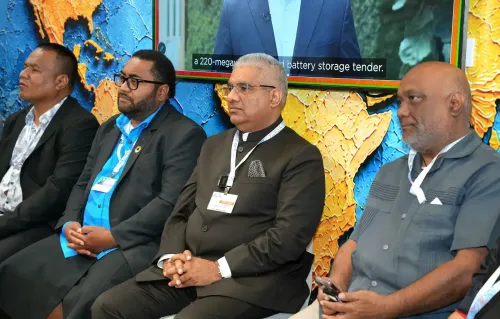
Representatives from several nations articulated their national priorities during the dialogue. Trinidad and Tobago stressed the importance of grants, affordable finance, and risk assessment tools, while also calling for greater cooperation with India in agro-processing. Namibia highlighted the devastating impact of drought on rural livelihoods and called for adequate funding to reinforce infrastructure resilience. Japan focused on accelerating the deployment of early warning systems and sharing disaster risk reduction expertise through strengthened regional networks. Guatemala underscored the need for affordable finance, and Jordan called for greater cooperation in facilitating financial access and strengthening infrastructure planning.
What Comes Next
With COP31 entering its final phase in Antalya, pressure is mounting on negotiating parties to convert high-level rhetoric into binding commitments and actionable frameworks. Yadav's intervention signals that India will continue to push for outcome-oriented mechanisms — particularly those that channel technical capacity and finance to developing nations in a timely, accessible manner. The outcomes of this ministerial dialogue are expected to feed into the broader COP31 decision text on adaptation and resilience.
Point of View
While genuinely useful, also serves as a soft-power vehicle, projecting Indian multilateral leadership at a moment when the country's global climate credibility is contested. The real test at COP31 will be whether the resilience language in side-event dialogues makes it into the enforceable parts of the final decision text — it rarely does.
NationPress
18 Nov 2026
Frequently Asked Questions
What did Bhupender Yadav say at COP31?
Union Minister Bhupender Yadav said at COP31 in Antalya that climate action must go hand in hand with climate negotiations, and that international commitments are only meaningful when translated into concrete outcomes on the ground. He also called for affordable finance, knowledge sharing and capacity building for developing nations.
What is the CDRI and what role does India play in it?
The Coalition for Disaster Resilient Infrastructure (CDRI) is a multilateral initiative co-founded by India and launched at COP25 in 2019. It brings together governments, international institutions, development partners and technical experts to promote resilient infrastructure and share best practices globally.
Where is COP31 being held and what stage has it reached?
COP31 , the UN Climate Change Conference, is being held in Antalya, Turkey , and was in its final phase as of 18 November 2026 . The closing phase is when negotiating parties finalise decision texts on key issues including adaptation, finance and resilience.
Which countries participated in the CDRI Ministerial Dialogue at COP31?
Representatives from Trinidad and Tobago , Namibia , Japan , Guatemala and Jordan spoke at the dialogue, each highlighting national priorities ranging from affordable finance and drought resilience to early warning systems and infrastructure planning.
Why is affordable finance a central demand at climate talks?
Developing and climate-vulnerable nations argue that existing climate finance flows are insufficient, often come as loans rather than grants, and lack the institutional support needed for effective deployment. Yadav stressed that affordable finance must be complemented by strong institutional frameworks and technical capacity to build truly resilient infrastructure.