India seen as credible peace broker in Russia-Ukraine talks: Al Jazeera
Synopsis
India is quietly building the most credible third-party peace track in the Russia-Ukraine war — not through grand proclamations, but through symmetrical diplomacy, dual trade exposure, and what Ukraine itself calls the 'broadest' ceasefire proposal on the table. With Russian money in Indian banks and Indian buyers keeping Russian oil moving, New Delhi holds leverage few others do.
Key Takeaways
India is identified as a credible mediator in Russia-Ukraine peace talks due to its working relationships with both sides, according to an Al Jazeera report dated 11 November 2026 .
India imported 1.46 million tonnes of sunflower oil from Russia and 443,000 tonnes from Ukraine in 2025-26 , according to the Indian Solvent Extractors' Association .
PM Modi told President Zelensky India was ready to contribute 'in every possible way' towards peace; Zelensky confirmed India's offer to mediate on food corridors via a post on X .
EAM Jaishankar discussed 'non-attack possibilities' with both sides in October , covering Black Sea shipping, grain, and energy exports.
Ukrainian FM Andrii Sybiha called India's ceasefire proposal 'the broadest', as it covers both Black Sea transit and energy infrastructure — wider than the US plan.
India summoned both Moscow's and Kyiv's envoys separately over attacks that killed Indian nationals, underscoring its even-handed diplomatic posture.
India is increasingly viewed as one of the few credible mediators capable of advancing Russia-Ukraine peace negotiations, given its rare ability to maintain working relationships with both warring nations, according to a report by Al Jazeera published on 11 November 2026. Experts cited in the report argue that New Delhi's policy of strategic autonomy uniquely positions it to push for a ceasefire where most Western and non-Western powers cannot.
Why India's Position Is Unique
A foreign affairs expert quoted in the Al Jazeera report said India is 'friends with both' sides, a distinction that few major powers can claim. Maximilian Hess, a fellow at the Foreign Policy Research Institute, noted that Ukrainian President Volodymyr Zelensky approached India 'because they have leverage over Moscow, and they are still one of the few major buyers of its oil.' Hess added that a significant volume of Russian money sits within the Indian financial system — an asset Moscow is keen to protect, giving New Delhi additional diplomatic leverage.
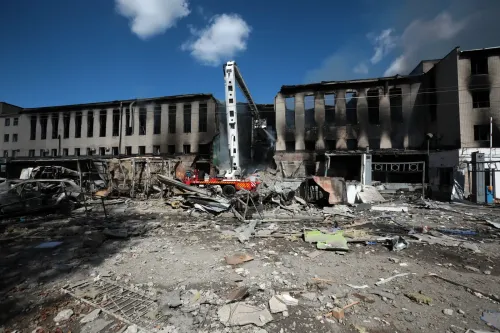
India has also demonstrated even-handedness that bolsters its credibility. It summoned Moscow's chargé d'affaires in July to condemn a Russian strike on a merchant vessel that killed 10 people, including four Indian crew members. Within days, it equally summoned Ukraine's ambassador over the killing of an Indian seafarer in a Ukrainian drone strike on the MV Omorfi. This symmetry of diplomatic protest — rare among nations — has strengthened the case for India as a neutral facilitator.
Economic Ties That Underpin the Diplomacy
India's engagement with both countries is not purely political — it is rooted in substantial trade. In 2025-26, India imported 1.46 million tonnes of sunflower oil from Russia and 443,000 tonnes from Ukraine, according to the Indian Solvent Extractors' Association (SEA). India is also among the largest buyers of Russian crude oil, a commercial dependency that grants New Delhi rare clout in Moscow's calculations. These dual supply chains mean India has a direct stake in stabilising both economies.
The Food Corridor: Where India's Push Is Clearest
Before Russia's full-scale invasion in 2022, roughly a third of global grain exports transited through the Black Sea, with Ukraine alone accounting for a tenth of world wheat exports and 15 percent of global maize supply. The disruption has hit food-importing nations hardest — particularly in Africa and parts of Asia.
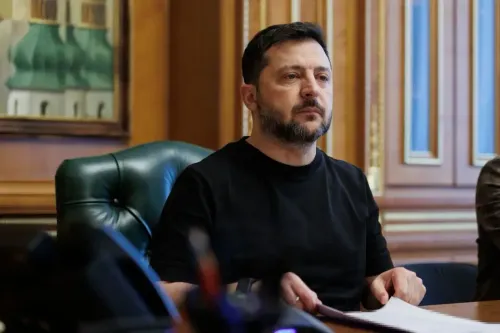
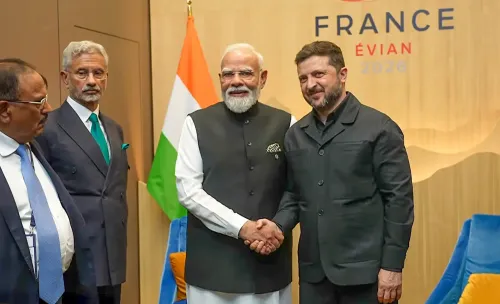
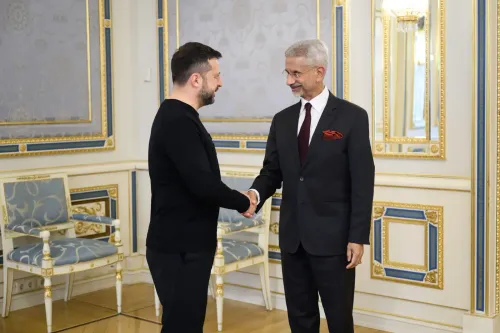
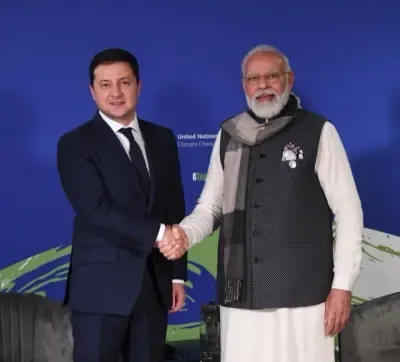
Prime Minister Narendra Modi and President Zelensky discussed reopening food corridors in a phone call. 'India is ready to mediate in establishing food corridors, and we are counting on these efforts to continue,' Zelensky posted on X after the call, stating the two leaders discussed Russia's blocking of grain exports through the Black Sea. Modi said India was prepared to contribute 'in every possible way' towards a peaceful resolution of the conflict.
Indian officials have framed the food-corridor push as central to the country's role as a leading voice of the Global South, arguing that resuming exports to developing nations is critical to preventing supply shortfalls and curbing rising inflation in vulnerable economies.
Jaishankar's Diplomatic Shuttle and India's Broadest Proposal
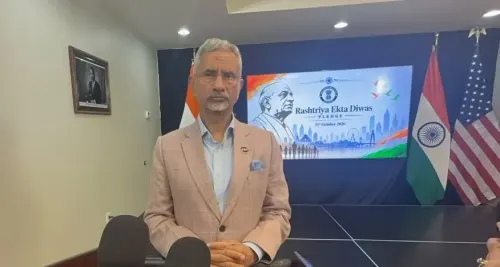
External Affairs Minister S. Jaishankar, during a visit to Kyiv in September, raised the possibility of a potential pause on strikes against Black Sea shipping and energy infrastructure. On 4 October, he said India was engaged in talks with both sides on shipping safety, grain and energy exports, and 'non-attack possibilities.' Ukrainian Foreign Minister Andrii Sybiha described India's proposal as 'the broadest' on the table, noting it covers both Black Sea transit and energy infrastructure — a scope wider than the US plan, which reportedly offers only a halt to strikes on energy facilities.
What Comes Next
India's diplomatic track remains informal and exploratory rather than a formal mediation framework, but the building blocks — economic leverage, bilateral trust, and a broad ceasefire proposal — are more substantial than those of most third-party actors. How New Delhi converts this goodwill into verifiable outcomes will be the key test of its ambitions as a global peace architect.
Point of View
But the gap between 'credible broker' and 'effective mediator' remains wide. Strategic autonomy buys New Delhi access, not authority — and both Moscow and Kyiv will engage India only as far as it serves their own battlefield calculus. The food-corridor framing is shrewd: it aligns India's Global South identity with a concrete deliverable that sidesteps the harder sovereignty questions. But if the corridor push stalls, India risks becoming a diplomatic prop for both sides rather than a genuine architect of de-escalation. The real test is whether Modi and Jaishankar are willing to spend political capital with Moscow — not just signal goodwill.
NationPress
11 Nov 2026
Frequently Asked Questions
Why is India seen as a credible mediator in the Russia-Ukraine conflict?
India maintains active working relationships with both Russia and Ukraine — a rare position among major powers. Its policy of strategic autonomy, dual trade exposure, and even-handed diplomatic responses to attacks on Indian nationals have strengthened its credibility as a neutral facilitator, according to the Al Jazeera report.
What is India's proposal regarding the Black Sea and energy infrastructure?
India has proposed a pause on strikes against both Black Sea shipping and energy infrastructure, which Ukrainian Foreign Minister Andrii Sybiha described as 'the broadest' proposal on the table. The competing US plan reportedly covers only energy facilities, not maritime transit routes.
What leverage does India have over Russia in these negotiations?
India is one of the largest buyers of Russian crude oil, and a significant volume of Russian money reportedly sits within the Indian financial system — both of which Moscow is keen to protect. Foreign Policy Research Institute fellow Maximilian Hess noted these factors are why Zelensky sought India's engagement.
What has PM Modi said about mediating in the Russia-Ukraine war?
PM Modi told President Zelensky that India was ready to contribute 'in every possible way' towards a peaceful resolution of the conflict. The two leaders also discussed reopening food corridors through the Black Sea, with Zelensky confirming India's offer to mediate in a post on X.
How has the Russia-Ukraine war affected global food supplies?
Before Russia's full-scale invasion in 2022, roughly a third of global grain exports passed through the Black Sea, with Ukraine supplying a tenth of world wheat exports and 15 percent of global maize. The ongoing disruption has hit food-importing nations in Africa and Asia hardest, driving up inflation and threatening supply adequacy.