India's envoy attends enshrinement of 14th-century Buddhist master's statue in South Korea
Synopsis
A 14th-century Indian Buddhist monk's statue was enshrined in South Korea with India's ambassador in attendance — a moment of soft-power diplomacy that sits alongside high-level strategic and economic engagement, including EAM Jaishankar's recent Seoul visit and talks spanning defence, fintech, and the Indo-Pacific.
Key Takeaways
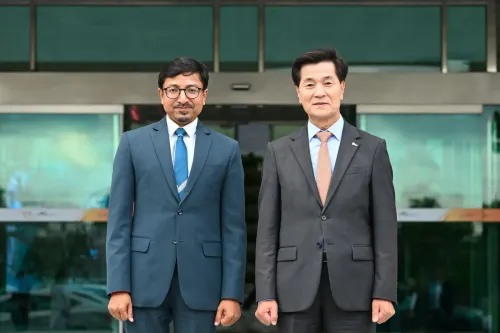
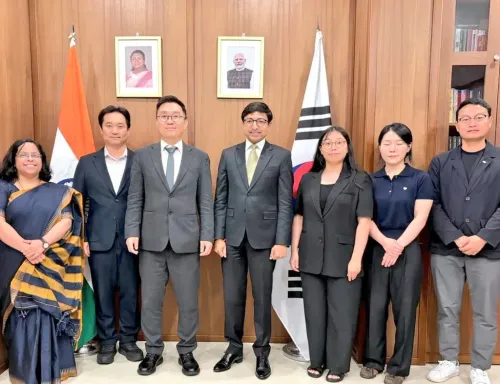
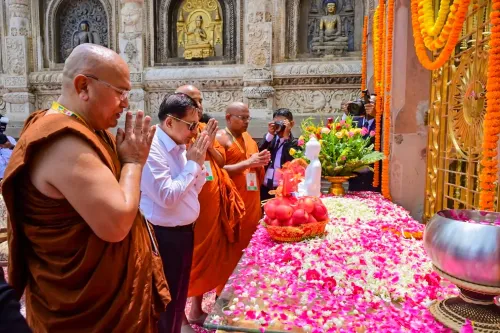
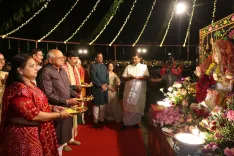
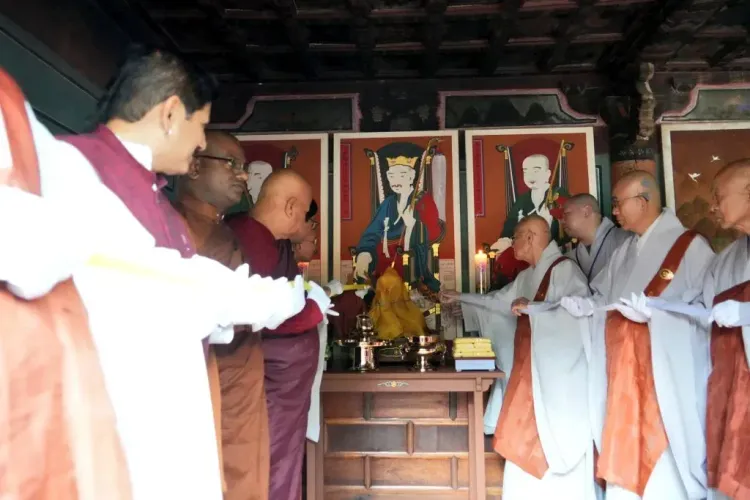
India's Ambassador Gourangalal Das attended the enshrinement ceremony of the statue of Venerable Jigong (Dhyanabhadra) , a 14th-century Indian Buddhist master, in South Korea on 14 July .
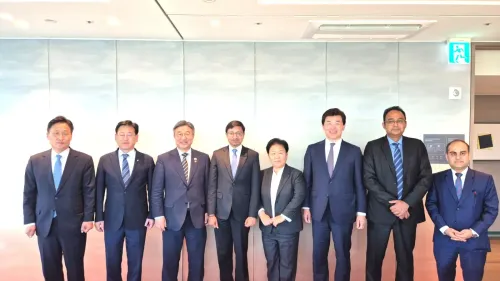
The event was organised through collaboration between the Jogye Order , the International Buddhist Confederation (IBC) , the International Center for Cultural Studies (ICCS) , and the Indian Embassy in South Korea .
External Affairs Minister S.
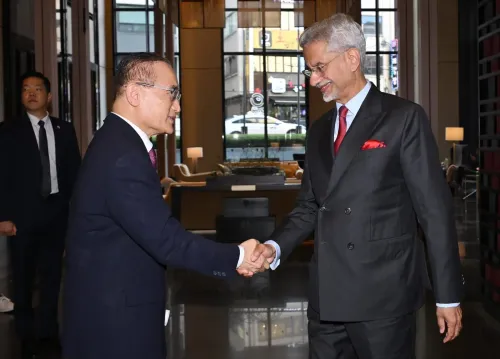
Jaishankar visited Seoul in June , holding talks with FM Cho Hyun on trade, defence, technology, and people-to-people ties.
South Korea's FM Cho Hyun cited President Lee Jae Myung's State visit to India in April as the catalyst for elevating bilateral ties.
Jaishankar also met National Security Director Wi Sung-lac to exchange strategic assessments on global developments and the Indo-Pacific .
India's Ambassador to South Korea, Gourangalal Das, attended the enshrinement ceremony of the statue of Venerable Jigong (Dhyanabhadra), a revered 14th-century Indian Buddhist master, in South Korea on 14 July. The ceremony honoured a figure whose teachings are credited with significantly shaping the growth of Buddhism on the Korean peninsula, underscoring the deep civilisational ties between the two nations.
Significance of the Ceremony
The enshrinement was made possible through a collaborative effort involving the Jogye Order, the International Buddhist Confederation (IBC), and the International Center for Cultural Studies (ICCS), working in close partnership with the Indian Embassy in South Korea. According to a statement from the Embassy, the event reaffirmed the shared civilisational links and enduring spiritual heritage connecting India and South Korea. The Embassy noted on X that the ceremony was a testament to the strength of the India-Korea Buddhist partnership.
Broader India-South Korea Diplomatic Context
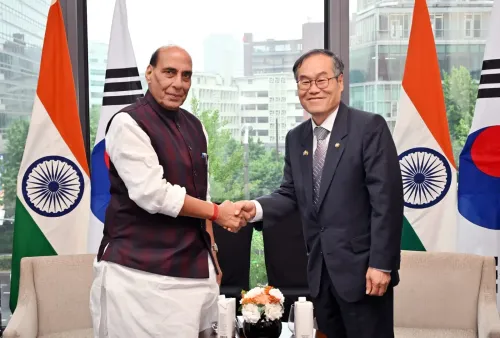
The ceremony comes against the backdrop of strengthening bilateral ties between India and South Korea. In June, External Affairs Minister S. Jaishankar undertook a two-day visit to Seoul, where he held wide-ranging discussions with his South Korean counterpart, Foreign Minister Cho Hyun. The two ministers reviewed cooperation across shipbuilding, trade, investments, defence, technology, clean energy, culture, and people-to-people domains, as well as emerging opportunities in startups, fintech, and multilateral fora.
In a post on X following their meeting, Jaishankar wrote: 'Pleased to meet FM Cho Hyun of RoK in Seoul today. Our discussions followed upon the outcomes of recent visit of President Lee Jae Myung to India. We reviewed our cooperation across political, shipbuilding, trade, investments, defence, technology, clean energy, culture and P2P domains. As well as opportunities in startups, fintech and multilateral fora. Also exchanged views on development in our respective regions and around the world.'
South Korea's Perspective
Foreign Minister Cho Hyun noted on X that President Lee Jae Myung's State visit to India in April last year had provided the momentum to elevate South Korea–India ties to a new level. Cho Hyun said the two ministers assessed swift progress on follow-up measures in trade, investment, and finance agreed during the April summit, and discussed ways to advance them further. He added that the ministers also engaged in an in-depth discussion on the rapidly changing global situation, including the economic ripple effects stemming from developments in the Middle East.
Strategic Dialogue and What Comes Next
During his Seoul visit, Jaishankar also met Wi Sung-lac, South Korea's National Security Director, for an exchange of strategic assessments on global developments and the Indo-Pacific. The convergence of cultural diplomacy — exemplified by the Buddhist enshrinement ceremony — with high-level strategic and economic engagement signals a broadening of the India-South Korea relationship well beyond traditional trade ties. Observers note that such civilisational touchpoints lend soft-power depth to a partnership increasingly defined by defence and technology cooperation.
Point of View
IBC, and ICCS working in concert with the Indian Embassy signals a structured approach to Buddhist soft power, not an ad hoc gesture. With Jaishankar's Seoul visit covering everything from shipbuilding to fintech, India-South Korea ties are acquiring a strategic depth that the two countries' relatively modest trade volumes have historically understated. The question is whether this cultural and diplomatic momentum translates into concrete deliverables — particularly on defence technology and supply-chain integration — before the next electoral cycle reshapes priorities in either capital.
NationPress
12 Oct 2026
Frequently Asked Questions
Who is Venerable Jigong (Dhyanabhadra)?
Venerable Jigong, also known as Dhyanabhadra, was a revered 14th-century Indian Buddhist master whose teachings are credited with contributing to the growth and spread of Buddhism in Korea. His legacy represents one of the earliest and most enduring cultural connections between India and the Korean peninsula.
What was the enshrinement ceremony held in South Korea?
The ceremony marked the enshrinement of a statue of Venerable Jigong (Dhyanabhadra) in South Korea, attended by India's Ambassador Gourangalal Das on 14 July. It was organised through cooperation between the Jogye Order, the International Buddhist Confederation, the International Center for Cultural Studies, and the Indian Embassy in South Korea.
What did EAM Jaishankar discuss during his visit to South Korea?
During his two-day visit to Seoul in June, External Affairs Minister S. Jaishankar met Foreign Minister Cho Hyun and reviewed cooperation across shipbuilding, trade, investments, defence, technology, clean energy, culture, and people-to-people ties. They also discussed opportunities in startups, fintech, and multilateral fora, and Jaishankar separately met National Security Director Wi Sung-lac for strategic talks on the Indo-Pacific.
How have India-South Korea relations developed recently?
Bilateral ties received significant momentum following South Korean President Lee Jae Myung's State visit to India in April last year, which both sides have cited as a turning point. Since then, according to FM Cho Hyun, there has been swift progress on follow-up measures in trade, investment, and finance agreed during that summit.
Why does the Buddhist ceremony matter for India-South Korea ties?
The enshrinement ceremony highlights the civilisational and spiritual heritage shared by India and South Korea, adding a soft-power dimension to a relationship increasingly defined by strategic and economic cooperation. It demonstrates India's use of cultural diplomacy as a complement to high-level political and security engagement in the Indo-Pacific region.